



LEILA PATEL
SOUTH Africa has one of the world’s most expansive social grant system: 47% of the population relies on a monthly grant. Of these, 18 million are permanent beneficiaries and about 10 million receive a temporary Social Relief of Distress Grant.
This was introduced during the Covid-19 pandemic for working age adults who do not receive formal social protection, such as unemployment insurance and for those engaged in informal work.
The vast majority of the grants are child support grants (R500 or around US$27 a month) paid to a child’s primary caregiver based on a means test.
There is ample, global evidence that such cash transfers bring many positive outcomes. For instance, they reduce child hunger, improve school attendance and help reduce poverty.
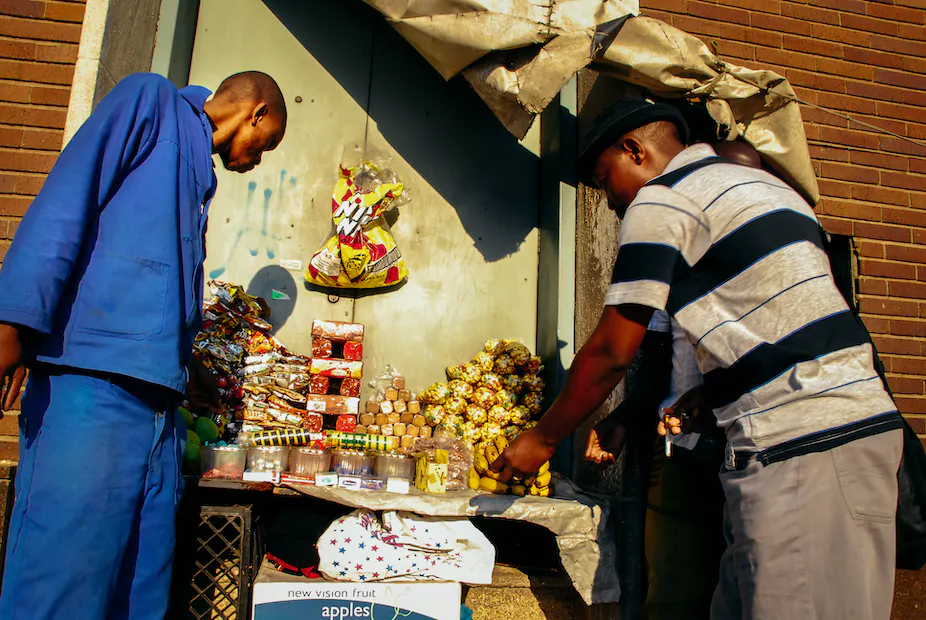
Although social grants are spent largely on food, there is growing evidence that they are also used for productive investments in livelihood activities. These are actions people undertake to meet their basic needs such food, shelter and clothing. Recipients
You’ve reached your free article limit
Subscribe to enjoy unlimited access to trusted journalism. Cancel anytime.
Subscribe nowNeed help? molokom@insidepolitic.co.za






