

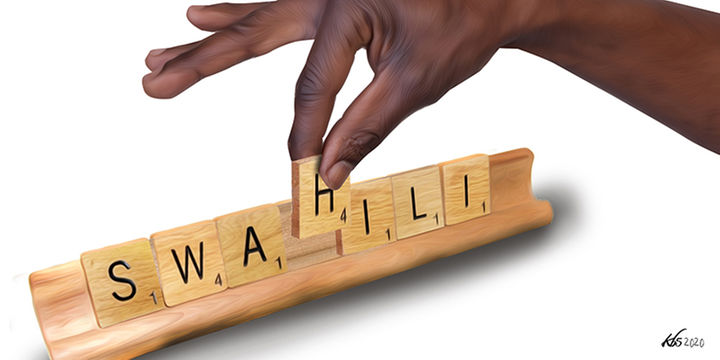


Kiswahili originated in east Africa, spreading around the continent and the globe. It’s been adopted as a working language at the African Union and there’s a push for it to become Africa’s lingua franca or common language. Morgan J. Robinson is a historian of east Africa with a research focus on language who has published a book on Kiswahili called A Language for the World. We asked her how today’s accepted standard version of Kiswahili came into being.
Where is Kiswahili spoken?
Kiswahili is spoken across eastern and central Africa. Mother-tongue speakers are found mainly along the coast, but Kiswahili is spoken as a second or third language by people around the world. According to Unesco, which in 2021 proclaimed 7 July as World Kiswahili Language Day, it’s spoken by 200 million people.
What led to it becoming so prominent?
Kiswahili’s role as a prominent symbolic and practical language in
You’ve reached your free article limit
Subscribe to enjoy unlimited access to trusted journalism. Cancel anytime.
Subscribe nowNeed help? molokom@insidepolitic.co.za






