By Johnathan Paoli
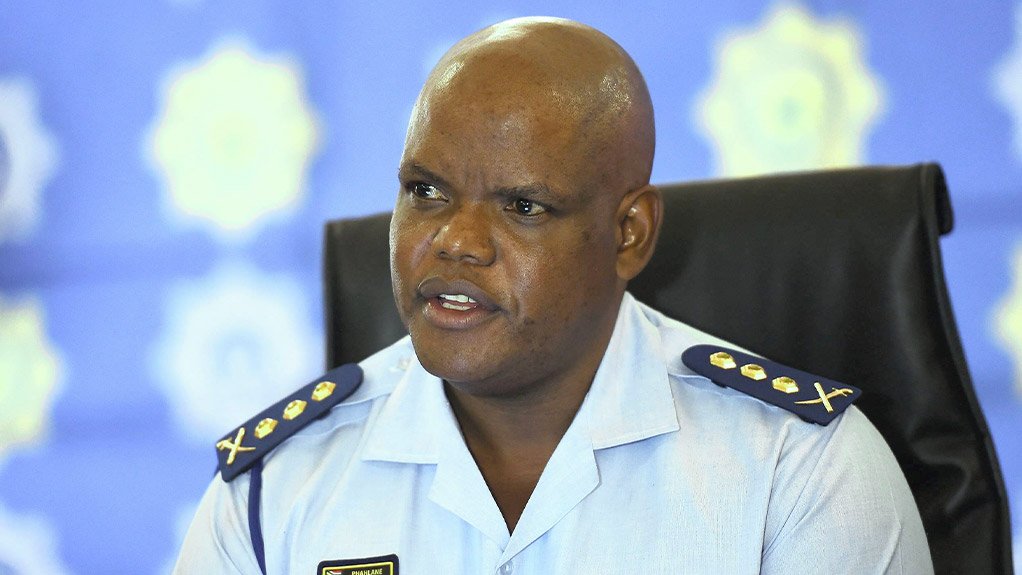
Former national police commissioner Lieutenant-General Khomotso Phahlane is expected to take the witness stand on Wednesday as Parliament’s ad hoc committee resumes hearings into allegations of corruption, political interference and criminal infiltration within South Africa’s justice system.
Phahlane’s testimony is anticipated to focus, among other issues, on claims made by Police Minister Senzo Mchunu’s chief of staff, Cedrick Nkabinde, regarding alleged interference in investigations involving the Independent Police Investigative Directorate (IPID), former IPID head Robert McBride and private forensic investigator Paul O’Sullivan.
The ad hoc committee was established in 2025 to probe explosive allegations made by KwaZulu-Natal Police Commissioner Lieutenant-General Nhlanhla Mkhwanazi, who accused senior figures within the police and justice system of corruption, abuse of power and political manipulation.
Phahlane’s appearance is expected to provide critical context on the functioning of IPID during his tenure as national commissioner, the relationship between senior SAPS leadership and the watchdog body, and the role played by external actors such as O’Sullivan.
Committee members are also expected to interrogate links raised during testimony between O’Sullivan and former IPID head Robert McBride.
The resumption of hearings comes after the committee adjourned last year and adopted a revised programme, following a second and final extension of its mandate until 20 February.
Committee chairperson Soviet Lekganyane has warned that MPs are under intense pressure to complete hearings, assess evidence and compile a credible final report within weeks.
“The revised programme will determine whether we finish strong or fall short,” Lekganyane said, adding that the scale and seriousness of the allegations may require further sittings.
Oral hearings are scheduled to run from 14 January to 6 February, with the objective of completing all witness testimony by early February.
This would allow time for drafting, consultation and adoption of the final report before the mandate expires.
Following Phahlane’s appearance, the committee is expected to hear testimony from Crime Intelligence head Lieutenant-General Dumisani Khumalo over two days, followed by Ekurhuleni Metro Police Department deputy chief Julius Mkhwanazi and former IPID head Robert McBride.
The inquiry also intends to hear from North West businessman Brown Mogotsi and forensic investigator Paul O’Sullivan, both of whom have requested to testify virtually, citing security concerns.
However, MPs across party lines have firmly rejected virtual hearings for key witnesses.
Subsequently, O’Sullivan refused to appear in person before the committee, citing serious threats to his life which he says stem directly from testimony by Mkhwanazi.
In written submissions to the committee, O’Sullivan argued that remarks made by Mkhwanazi amounted to an incitement to violence, placing him in immediate danger should he return to South Africa.
He accused Parliament of failing to intervene or caution the commissioner over statements he believes encouraged “drastic action” against him.
O’Sullivan pointed to the December killing of Madlanga Commission witness Marius van der Merwe as evidence of the real risks faced by individuals exposing alleged corruption within law enforcement.
Despite mounting political pressure, O’Sullivan has maintained that appearing physically before Parliament would be unsafe.
As hearings resume, the committee faces a defining test: whether it can compel reluctant witnesses to appear, reconcile sharply conflicting versions of events, and deliver findings that withstand legal and political scrutiny before its mandate expires.
INSIDE POLITICS