
- Advertisement -spot_img

Phahlane, Arendse clash over the scope, pace and framing of his testimony

- Advertisement -spot_img

Must read

By Johnathan Paoli

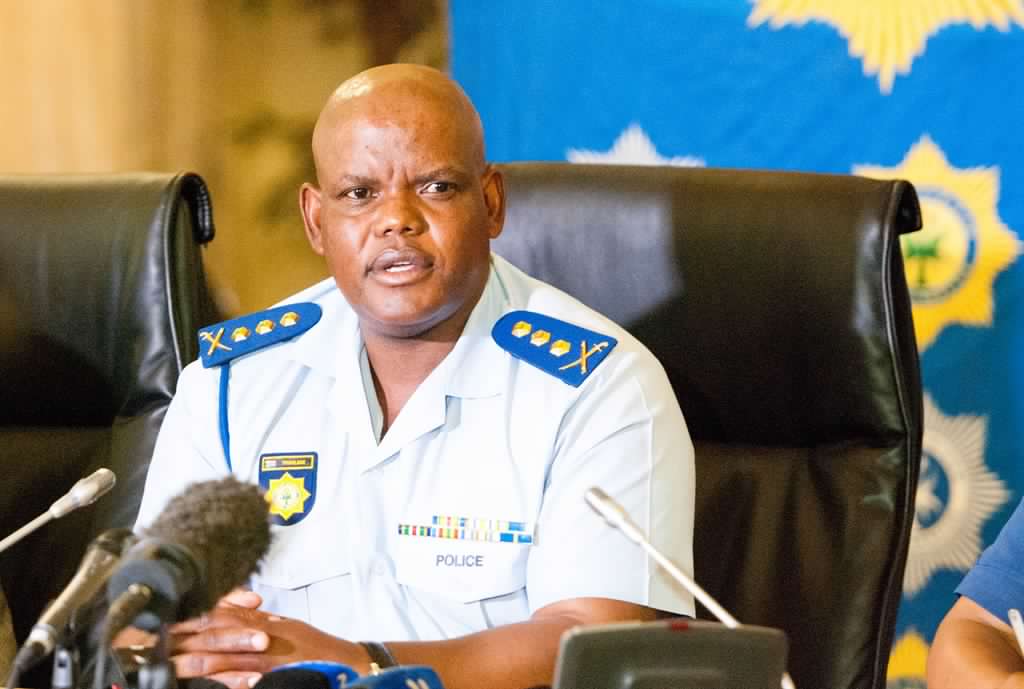
Tensions flared in Parliament on Tuesday as former acting National Police Commissioner Lieutenant-General Khomotso Phahlane’s appearance before the ad hoc committee probing alleged corruption and interference in the criminal justice system descended into repeated procedural deadlock and open disagreement with evidence leader Advocate Norman Arendse SC.

From the outset, Phahlane and Arendse clashed over the scope, pace and framing of his testimony, with the General insisting on extended time to “do justice” to his affidavit, while Arendse pressed him to confine his evidence to matters directly relevant to the committee’s mandate and not already ventilated in courts and arbitration processes.

Phahlane, the first witness to testify as the committee resumed hearings in the new year, requested at least two full days to present his evidence and proposed that sittings run until 21:00.

Arendse told the committee that he had been engaging Phahlane for weeks ahead of his appearance and understood that the former commissioner wanted to “clear the air”.

However, the engagement quickly became strained as Arendse attempted to summarise Phahlane’s lengthy legal history and disciplinary battles, prompting firm resistance from the witness.

Phahlane insisted that he was not appearing merely to respond to allegations made by previous witnesses, but to place broader concerns about the justice and security cluster on record.

He said he had long sought an opportunity to testify, including before the Zondo Commission, but was ignored.

“I’m not a fly-by-night cop,” Phahlane told the committee, stressing his decades-long career and rejecting any suggestion that his removal from office and dismissal were straightforward disciplinary matters.

Central to the friction was Phahlane’s removal as acting national commissioner.

He told the committee he was appointed on 14 October 2015 by then president Jacob Zuma and argued that only the president had the authority to remove him.

He said he was asked to “step aside” on 1 June 2017 by then police minister Fikile Mbalula due to negative media coverage, but was never formally removed by the president.

Phahlane added that he had never received a presidential notice terminating his appointment and that he was “ventilating the matter” with the Public Protector.

Arendse challenged him on why he did not contest his suspension at the time.

Phahlane replied that he was not seeking political intervention, had no desire for conflict with the minister and trusted institutional processes.

“I’m not glued to any chair,” he said.

The proceeding grew increasingly tense when Arendse turned to the disciplinary processes that followed.

Phahlane described facing 11 “concocted” charges, which gradually fell away until only three remained.

He said the original Regulation 8 disciplinary process stalled before he was asked to plead, only for SAPS to initiate an “expeditious process” under Regulation 9 in July 2020 without affording him an opportunity to respond to the earlier charges.

Arendse referred to Labour Court findings by Judge Andre van Niekerk, who ruled that SAPS was entitled to invoke Regulation 9.

Phahlane dismissed the judgment as irrelevant to the merits of the case, prompting Arendse to acknowledge that it was a technical ruling but maintain its legal significance.

The sharpest disagreement emerged around the controversial 360-degree camera tender.

Arendse sought to rely on arbitration findings, while Phahlane refused to engage on documents he disputes, insisting the committee rely on his affidavit instead.

He said R24 million, later escalating to R31 million with interest, was paid in 2018/19 to a service provider that delivered no cameras, at a time when he had been at home since June 2017.

Committee chairperson Soviet Lekganyane intervened repeatedly, cautioning against assumptions and warning that the committee could not review matters currently on appeal before the Labour Appeal Court.

He urged both sides to stick to issues within the committee’s terms of reference, while allowing Phahlane to respond to statements he had placed before Parliament.

The session ended without resolution, with Lekganyane urging a more focused approach when proceedings resume after lunch.

INSIDE POLITICS

More articles

LEAVE A REPLY

Please enter your comment!
Please enter your name here

Inside Education E-Edition

spot_img

CATHSSETTA

spot_img

AVBOB STEP 12

spot_img

Inside Metros G20 COJ Edition

spot_img

JOZI MY JOZI

spot_img

QCTO

spot_img

Latest article



