
- Advertisement -spot_img

SIU says Bushiri, Omotoso obtained permits through fraud and corruption

- Advertisement -spot_img

Must read

By Thapelo Molefe

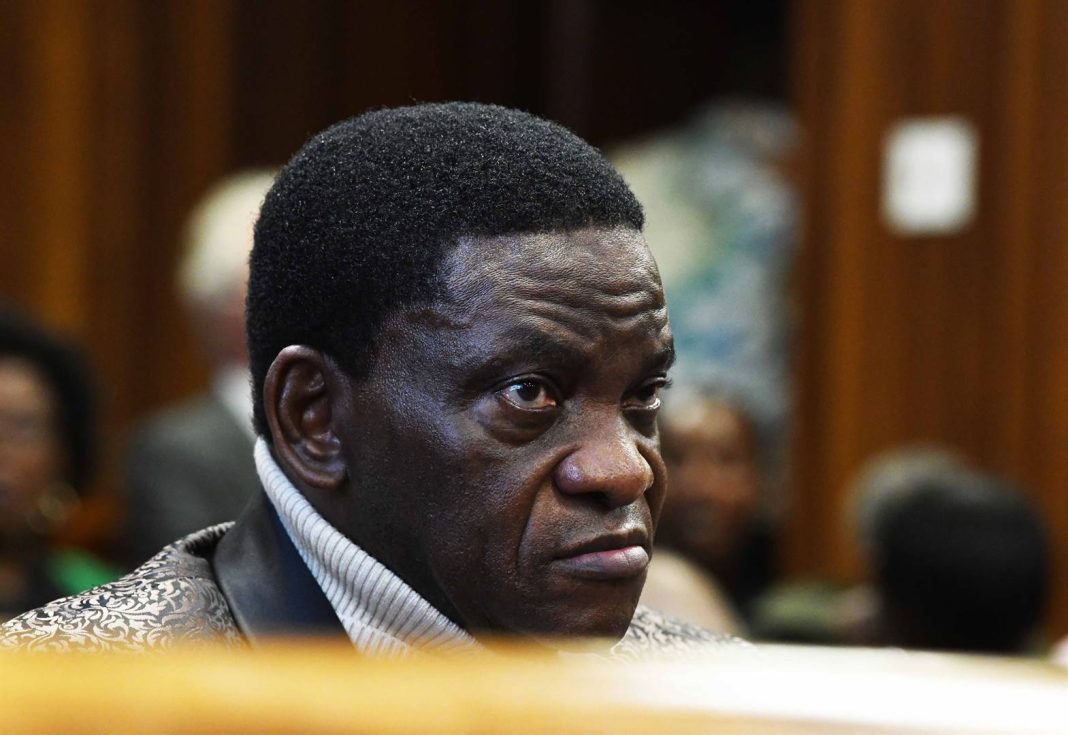
Controversial religious leaders Prophet Shepherd Bushiri and Pastor Timothy Omotoso obtained their South African residence permits illegally through fraudulent documentation and corrupt officials, the Special Investigating Unit said on Monday.

Acting SIU Head Leonard Lekgetho told the media that South Africa’s immigration system had been transformed into a “marketplace where permits and visas were sold to the highest bidder” during a briefing on the unit’s interim report into its investigations into the Department of Home Affairs.

ALSO READ: Bellarmine Mugabe, Tobias Mugabe Matonhdze face charges of attempted murder, defeating the ends of justice

“The investigation reveals that the country’s borders were not protected by law but auctioned off through corruption. South Africa was being sold one permit at a time,” Lekgetho said.

The investigation, authorised by President Cyril Ramaphosa under Proclamation 154 of 2024, found that Malawian Bushiri’s permanent residence permit was approved by a Home Affairs adjudicator who was a member of his Enlightened Christian Gathering church, a clear conflict of interest.

“Church members played a central role in facilitating fraudulent applications. Associates drafted and submitted documentation, while donations were rerouted into personal accounts under the guise of ‘TITHE’ or ‘Seed’,” Lekgetho said.

Bushiri’s application included a fraudulent letter of financial independence signed by a chartered accountant who admitted he was paid merely for his signature, according to the SIU interim report.

The self-proclaimed prophet also claimed proof of aircraft purchase as evidence of financial means. Investigators discovered that USD 1.2 million in cash was paid from his non-profit company at Lanseria Airport, raising concerns about money laundering and misuse of religious donations.

“Transactions linked his ministry’s account to private companies, with payments disguised as ‘Crossover T-shirts.’ The SIU further found that Bushiri held directorships in 14 companies and owned multiple properties in Pretoria,” Lekgetho said.

ALSO READ: Mugabe’s son appears in Alexandra court for attempted murder, could face new charge

Nigerian Omotoso’s immigration status was built on an even more elaborate deception. The SIU found his initial entry was secured through a fraudulently obtained work permit issued in a country where he was not a citizen, based on an unauthorised directive.

“This pattern of deception continued as he consistently provided conflicting information about his travel history and residency, submitted affidavits claiming lost documents to avoid producing verified credentials, and used the initial fraudulent permit to support subsequent, more permanent, immigration applications,” Lekgetho explained.

“As his status was repeatedly questioned, his method evolved to exploit administrative and procedural vulnerabilities within Home Affairs.”

When Omotoso’s visa renewal was denied for non-compliance, he petitioned for a ministerial waiver.

“The investigation revealed that this waiver was unlawfully granted by an official without the necessary delegated authority, highlighting a strategy of leveraging administrative gaps to override lawful rejections and perpetuate his stay in the country,” Lekgetho said.

The SIU uncovered a broader corruption network involving four Home Affairs officials earning less than R25,000 monthly who received R16.3 million in direct deposits. One official built a mansion on her salary while another’s spouse received R8.9 million through a construction company linked to permit payments.

Evidence showed permits were processed via WhatsApp, with payments flowing to officials’ spouses within days. Transaction references including “Permit,” “Visa Process,” and “PRP” masked the true nature of the bribes.

The unit traced financial gains exceeding R181 million associated with fraudulent visa applications. Cell phone analysis revealed officials charging between R500 and R3,000 per permit, with payments made through e-wallets, cash hidden in application forms, or in-kind services such as rent payments.

“Religious donations were converted into bricks, mortar, and corporate shares,” Lekgetho said, describing how faith-based contributions were laundered into personal wealth.

INSIDE POLITICS

More articles

LEAVE A REPLY

Please enter your comment!
Please enter your name here

CATHSSETTA

spot_img

AVBOB STEP 12

spot_img

Inside Education E-Edition

spot_img

Inside Metros G20 COJ Edition

spot_img

JOZI MY JOZI

spot_img

QCTO

spot_img

Latest article



