

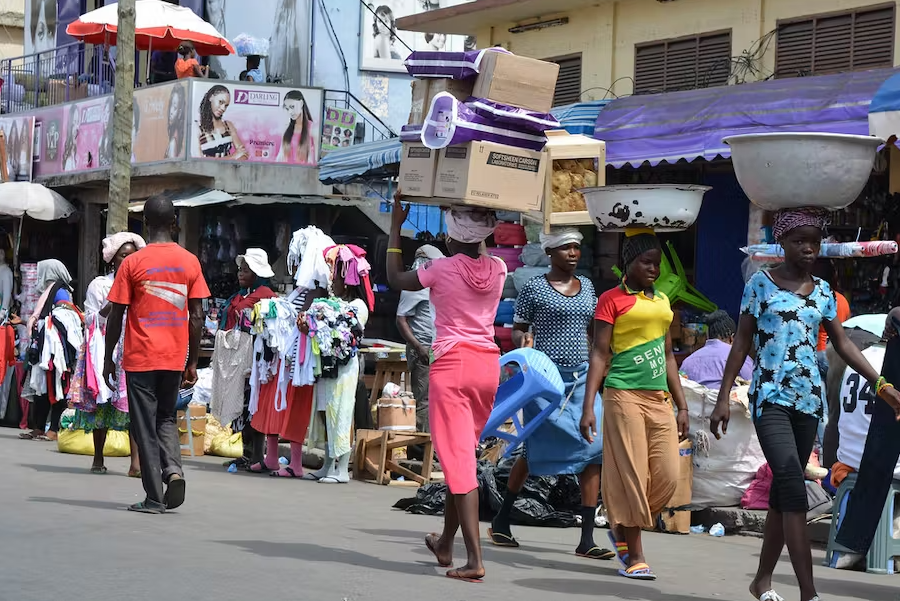


Containment measures, such as the lockdowns introduced to stop the spread of the COVID-19 virus, had devastating consequences for vulnerable urban populations globally.
In response, public, private, and civic organisations responded with various interventions to soften the impact, especially on the most vulnerable. Support was given in the form of cash transfers, food delivery, and personal protective equipment. In Ghana, government support also included tax waivers, and subsidies for water, electricity, and other household utilities.
Government officials claimed that the interventions reduced the impact of the pandemic on urban residents. And so we sought to analyse how COVID-19 related support from families, friends, government agencies, faith based and non-governmental organisations helped reduce the pandemic’s impact on people. We looked at the impact on four aspects of their capital: financial, human, social and physical.
Our study in the Adenta municipality of the Greater Accra region found that the interventions had limited impacts.
You’ve reached your free article limit
Subscribe to enjoy unlimited access to trusted journalism. Cancel anytime.
Subscribe nowNeed help? molokom@insidepolitic.co.za






