
- Advertisement -

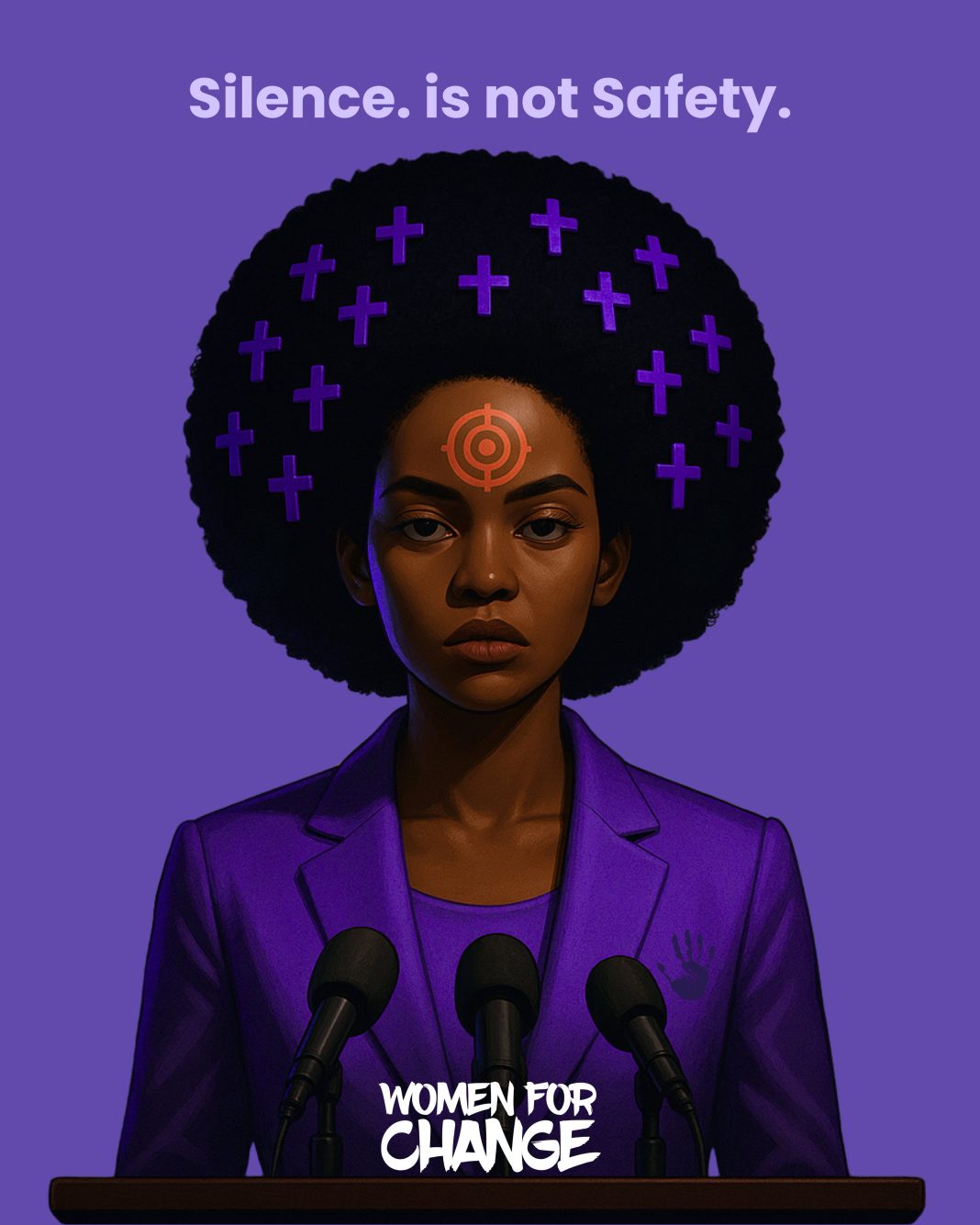
Ahead of ‘G20 women’s shutdown’, Women For Change urges GBV be declared a national disaster

- Advertisement -

Must read

By Lebone Rodah Mosima 

Advocacy group Women For Change is intensifying plans for a national shutdown on Friday to demand that gender-based violence and femicide (GBVF) be declared a national disaster.

The group told Inside Politics that declaring GBVF a national disaster is not only a symbolic act but a legal trigger that could unlock additional powers for the state.

Under the Disaster Management Act, the NPO said, a declaration would allow government to unlock emergency funding without standard bureaucratic delays, enable a national, centralised command structure, accelerate deployment of state resources, and impose legally binding timelines for intervention.

“Right now, GBVF is treated as a social issue. A disaster declaration treats it the way we treat floods, fires, and pandemics: urgent, life-threatening, and requiring extraordinary state action.”

Throughout its G20 presidency this year, South Africa has hosted dialogues and workshops on women’s empowerment, but the group said those talk shops mean little to women who feel “unsafe in their homes, workplaces,” or in their own communities.

“Violence destroys productivity, education, mental health, and generational stability,” Women for Change said.

“We are showing the world that South Africa’s economic agenda is incompatible with its GBVF crisis. If the government wants to stand on the global stage, it must clean its own house”.

“Until South Africa stops burying a woman every 2.5 hours, the G20 cannot speak of growth and progress. We demand that Gender-Based Violence and Femicide be declared a National Disaster. Not tomorrow. Not at another summit. Now,” said the group.

Women For Change said it had recently met government representatives but described the engagement as lacking urgency.

The group said there were no outcomes, commitments, or clear timelines from the government to explore the movement’s declaration. “Prolonged consultation” would not solve the crisis, the group said.

It said South Africans had responded in large numbers to its Women’s Shutdown initiative, with more than a million people signing its petition.

“This is exactly why the shutdown is necessary: women cannot wait for another round of meetings while the violence continues daily.”

While South Africa already has extensive policy frameworks, including the National Strategic Plan (NSP) on GBVF, Women For Change said that these strategies “fail in implementation,” largely because they are underfunded and lack accountability mechanisms.

Their alternative framework approach is “Accountability + urgency”, where they aim to push for measurable targets, transparent progress reporting, and leadership that can be publicly held responsible for failures.  

Responding to concerns that the shutdown could disadvantage informal workers or single mothers, Women For Change said participation is voluntary and adaptable, including options such as wearing black or closing businesses for an hour.

“The greater harm is the status quo: women are already dying, losing income after abuse, and are trapped in poverty because of violence. This shutdown is about disrupting that long-term harm.”

The organisation said digital activism was only the starting point. Further momentum would be added by provincial organising teams, local “lie-down” demonstrations, survivor support networks, structured data collection, and sustained pressure campaigns targeting policymakers.

INSIDE POLITICS

More articles

LEAVE A REPLY

Please enter your comment!
Please enter your name here

AVBOB STEP 12

Inside Education Quarterly Print Edition

Inside Metros G20 COJ Edition

JOZI MY JOZI

QCTO

Latest article



