

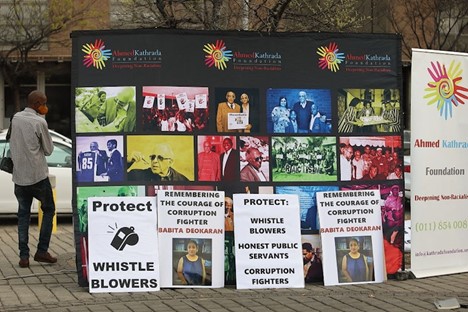


By Ugljesa Radulovic and Tina Uys
South Africa’s long history of wrongdoing spans from Willem Adriaan van der Stel’s days of running a corrupt trading monopoly to present-day South Africa. Van der Stel was the second Governor of the Cape Dutch Colony, from 1699 to his removal in 1707.
Whistleblowers have been at the core of exposing these instances of corruption.
Public whistleblowing was rare under apartheid (1948-1994). But with the transition to democracy, the reporting of wrongdoing increased. This can largely be attributed to a new constitution that caters for all the country’s citizens, and new laws that reinforced their rights.
One such law is the Protected Disclosures Act No. 26 of 2000, amended by way of the Protected Disclosures Amendment Act No. 5 of 2017. The law was designed to protect individuals who expose perceived wrongdoing to an authority that has the capacity to remedy the wrongdoing.
Yet, it has offered inadequate
You’ve reached your free article limit
Subscribe to enjoy unlimited access to trusted journalism. Cancel anytime.
Subscribe nowNeed help? molokom@insidepolitic.co.za






