

By Charmaine Ndlela
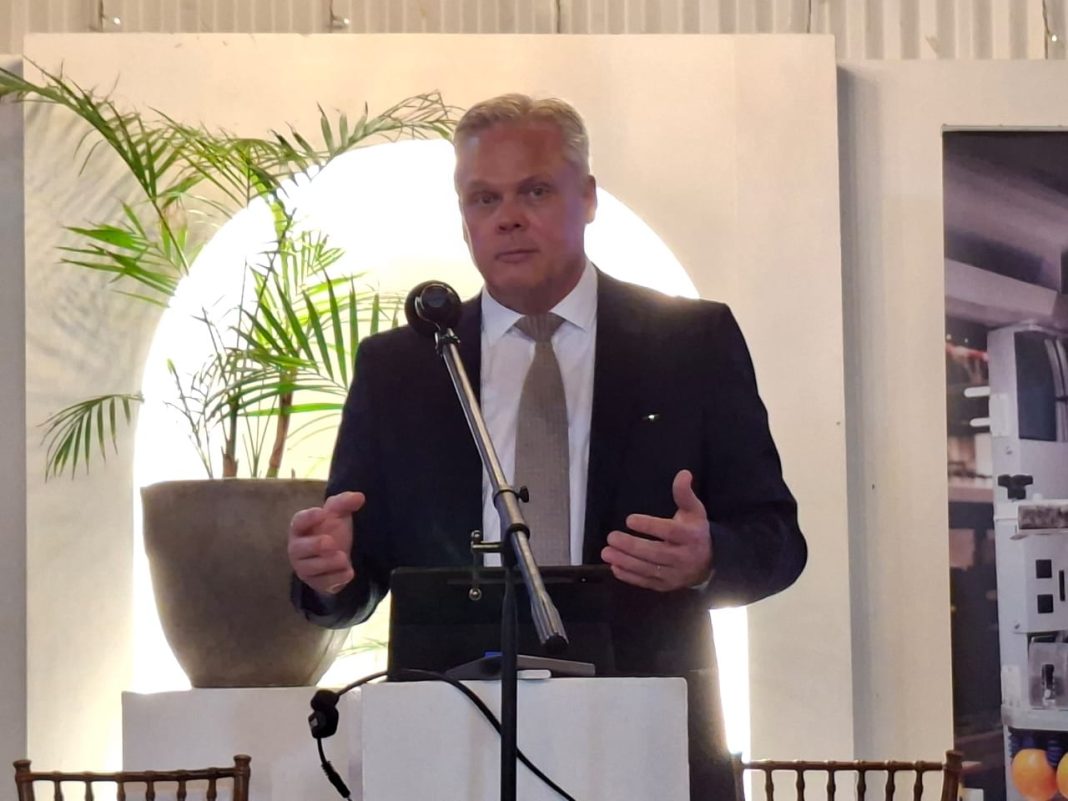
Agriculture Minister Willie Aucamp has called for increased investment in modern packhouse infrastructure, technology and skills development, saying the industry is critical to expanding South Africa’s agricultural exports, protecting jobs and strengthening the country’s position in international markets.
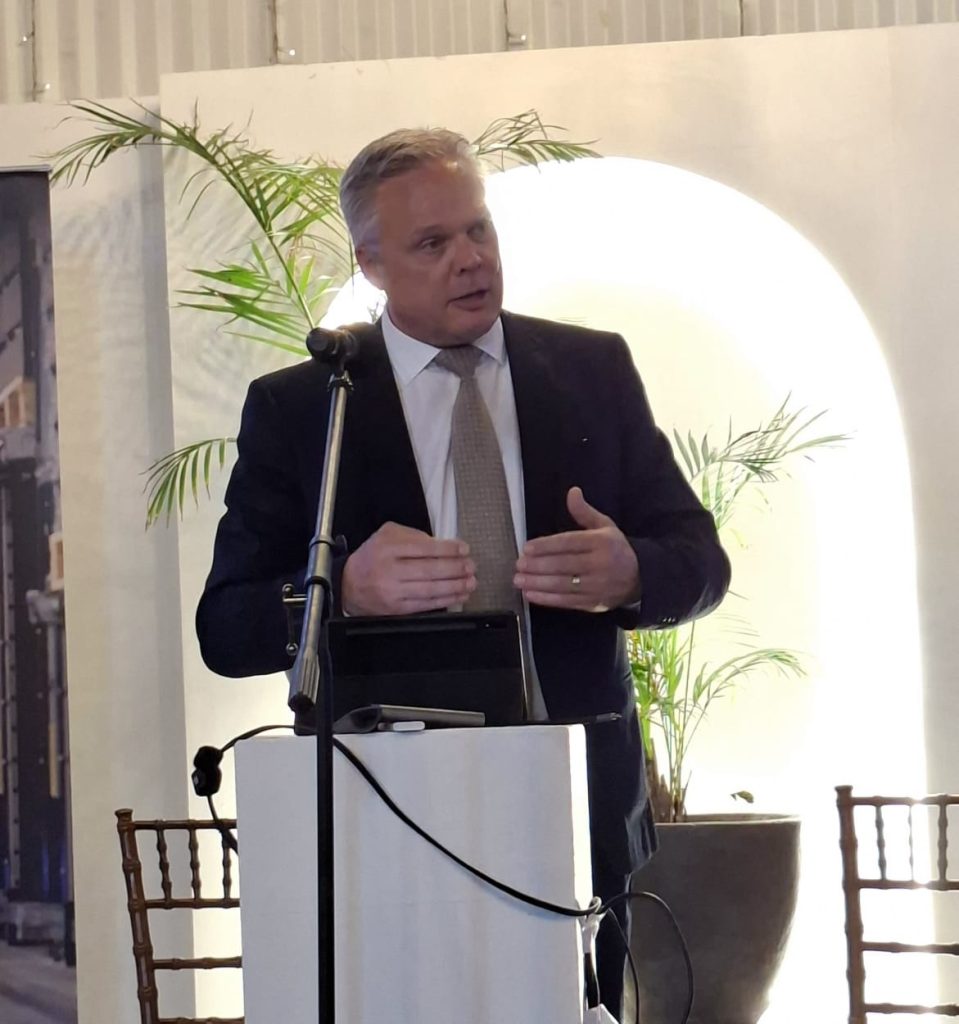
Addressing the Packhouse Trade, Tariffs & Investment Conference at Ashanti Estate in Paarl, Western Cape, on Thursday, Aucamp said South Africa’s packhouse industry supported more than 200,000 jobs and remained a crucial link between agricultural production and domestic, regional, and international markets.
ALSO READ: BREAKING: Emfuleni council sitting suspended after pepper spray released in chamber
He said packhouses should no longer be viewed merely as facilities where agricultural produce is sorted, graded, packed and dispatched, but as strategic economic infrastructure that drives value addition, technological innovation and market access.
He said the quality of agricultural production had to be matched by efficient post-harvest handling, cold-chain facilities, logistics systems and quality assurance mechanisms to ensure that South African products remained competitive.
“We can produce the finest fruit, vegetables and other agricultural commodities, but without adequate packhouse infrastructure, cold-chain facilities, logistics systems and quality assurance mechanisms, we risk losing premium value before our products even reach the market,” Aucamp said.
He warned that post-harvest losses remained a major challenge, particularly for smallholder farmers, resulting in wasted production, water and energy, as well as lost income and export opportunities.
“Investing in packhouses is therefore an investment in productivity, competitiveness and economic inclusion,” he said.
Aucamp said modernising the industry would require investment in advanced sorting and grading technologies, automated packaging systems, cold storage, refrigeration, digital traceability and quality-management systems.
ALSO READ: Mashaba confirms he will back ANC candidate for Joburg speaker
His remarks come as South Africa seeks to strengthen its agricultural export performance amid global trade uncertainty, changing tariff arrangements, logistical constraints and increasingly demanding international market requirements.
The minister highlighted the sector’s export growth, with agricultural exports increasing by 11% year-on-year to approximately US$3.71 billion in the first quarter of 2026, before rising by a further 11% to approximately US$4.09 billion in the second quarter.
He attributed the sector’s export performance in part to world-class packhouse facilities, which enable agricultural products to meet international standards and reach consumers in competitive markets.
“Our country has a robust production base, a diverse basket of agricultural commodities, well-established export capabilities and a proud reputation for high-quality produce,” he said.
South Africa’s fruit, wine, citrus, table grapes, subtropical fruits, nuts, vegetables, grains and livestock products continue to contribute to the economy, support employment and strengthen the country’s position in global agricultural trade.
Aucamp said government would continue exploring new export markets to widen the country’s agricultural footprint and ensure more international consumers had access to South African produce.
He said that international buyers expected more than quality, with consistency, reliability, traceability, appropriate packaging and timely delivery becoming increasingly important requirements.
However, he cautioned that export growth should not benefit only established commercial producers, calling for emerging farmers and small agricultural enterprises to gain greater access to modern and compliant packhouse systems.
“Only when large and small producers alike can plug into modern, compliant packhouse systems will the benefits of export growth be broadly shared across our rural economy,” he said.
The minister also addressed the economic impact of the foot-and-mouth disease outbreaks that have placed pressure on South Africa’s livestock industry since last year.
He said the consequences extended beyond infected animals and affected farms, disrupting the wider agricultural value chain, including feed suppliers, livestock production systems, meat-processing plants, feedlots, abattoirs, transport operators and rural communities.
Aucamp reported that more than 90% of South Africa’s 15.4 million cattle had been vaccinated against the disease, exceeding government’s initial target of vaccinating 80% of the national herd before the end of December.
“This is a big achievement for us as the department that together with state- and private veterinarians, organised agriculture and farmers we exceeded our target,” he said.
He added that provinces had started administering booster doses, which would provide 30-fold protection to animals.
ALSO READ: Witness T accuses Naicker of orchestrating killings and controlling police
Aucamp said government would now focus on sustaining biosecurity measures and restoring confidence in domestic and international markets.
Climate change was another challenge highlighted by the minister, who warned that droughts, floods, extreme temperatures, shifting rainfall patterns and water scarcity continued to threaten agricultural production, food security and rural livelihoods.
He said the El Niño phenomenon further demonstrated the need for farmers to strengthen their resilience through climate-smart agricultural practices.
Aucamp said farmers to conserve soil moisture, use water sparingly and irrigate during cooler morning and evening hours while complying with local water restrictions.
“Adapting to a changing climate is a shared responsibility,” he said.
He called for improved early-warning information, sound water management, appropriate technology and cooperation between government, farmers and industry.