

By Johnathan Paoli
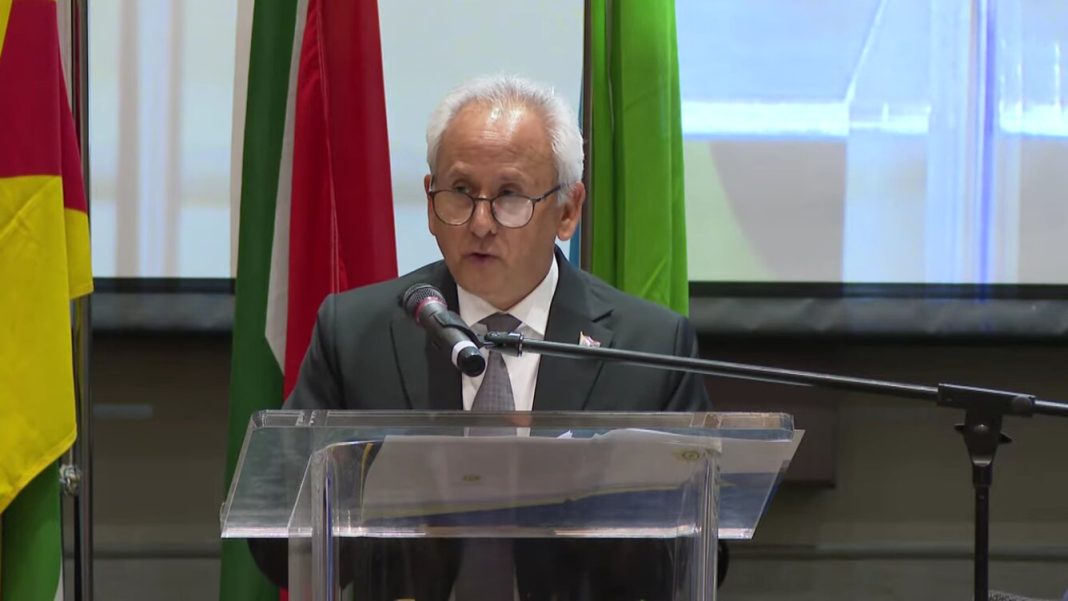
Acting Police Minister Firoz Cachalia has called for intelligence-sharing and coordinated cross-border operations to dismantle transnational criminal networks exploiting porous borders and maritime routes to traffic illicit drugs through southern Africa.
Delivering the welcoming address at the Ministerial Troika Meeting of the Trilateral Planning Cell (TPC) in Tshwane on Thursday, Cachalia warned that criminal networks were expanding faster than law enforcement agencies could respond, using regional trade links and gaps in border security to extend their operations.
ALSO READ: WATCH: Fikile Mbalula collapses after ANC Constitutional Court victory
“We know that the fight against organised crime will never be won through law enforcement operations in national jurisdictions alone, rather, our goals will be accomplished through strategic partnerships across borders,” Cachalia said.
The meeting brings together policing representatives from South Africa, Mozambique, Tanzania, Angola and Uganda to strengthen regional efforts against drug trafficking and organised crime.
Cachalia said cocaine from Latin America, as well as heroin and methamphetamine, were entering the region through a “southern route” and the western Indian Ocean.
He said that drugs reach Tanzania and Mozambique by dhow (an east African sailing-boat) before being transported overland to South Africa.
“The trilateral states have successfully intercepted large quantities of illicit drugs and uncovered links of criminal groups associated to organised crime, including kidnappings and theft of motor vehicles. However, there are still challenges in keeping pace with the rapid expansion of the criminal networks,” he said.
He warned that the proliferation of clandestine drug laboratories suggested the region was becoming a manufacturing base for illicit drugs, rather than merely a transit point and consumer market.
He confirmed that the South African Police Service is establishing a Regional Joint Counter-Narcotics and Organised Crime Fusion Centre to gather and analyse intelligence, improve information-sharing and coordinate responses to criminal networks.
Cachalia said partner countries would be encouraged to contribute information and personnel to the proposed multi-agency hub.
ALSO READ: Sibiya bail ruling delayed as state warns of witness threats
The initiative is intended to strengthen real-time intelligence-sharing and disrupt networks involved not only in drug trafficking but also kidnappings, vehicle theft, human trafficking, migrant smuggling, financial crime, environmental crime and terrorism.
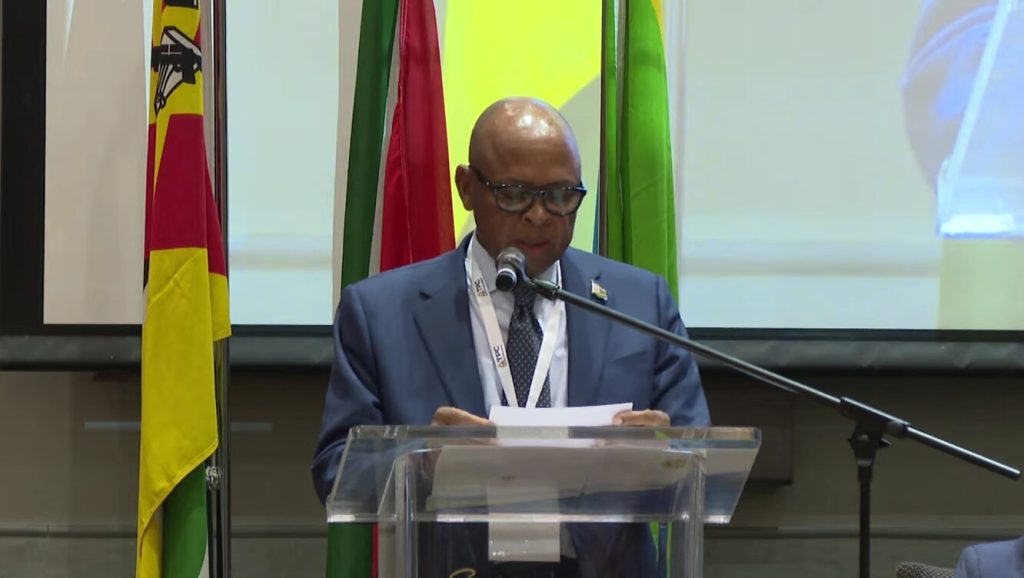
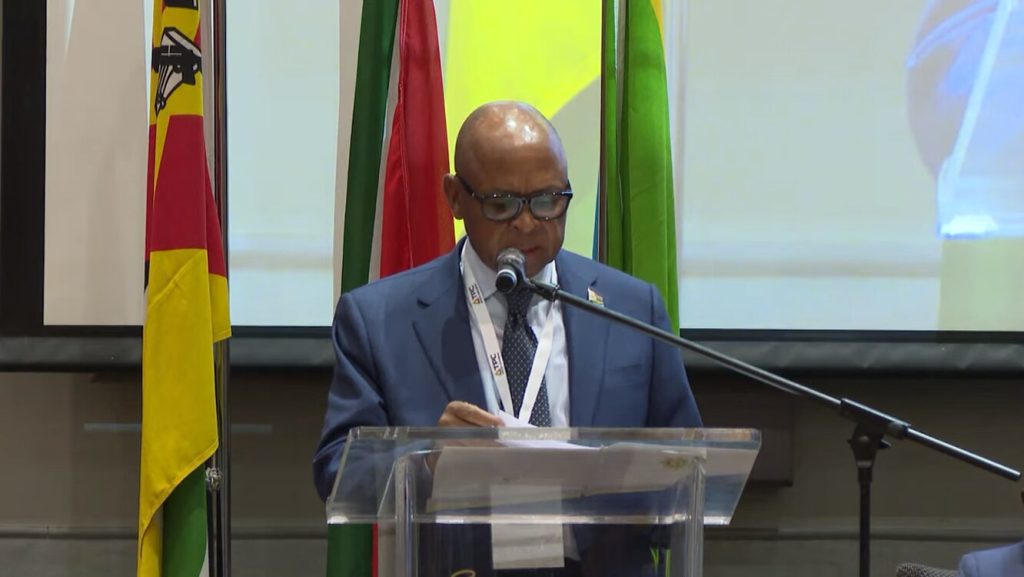
Speaking earlier, Deputy Police Minister Cassel Mathale similarly called for regional cooperation, warning that criminal syndicates had become sophisticated, multibillion-dollar enterprises threatening national security, economies and communities.
“The trans-border crimes, especially drug trade, are no longer just a border control issue; they are highly sophisticated, multi-billion dollar enterprises that threaten our national security, they drain our economies, and devastate our communities,” Mathale said.
He said criminal networks were exploiting technological advances, infrastructure and enforcement gaps that individual countries struggled to counter alone.
“While we are sometimes bound by law and individual country sovereignty, criminal networks do not respect the law or borders. Therefore, to defeat them, our law enforcement operations must be just as fluid, interconnected, and borderless,” he said.
Mathale said that greater operational agility did not mean abandoning the law, but ensuring that law enforcement cooperation could keep pace with increasingly mobile criminal networks.
“Over the next few days, our focus must move past rhetoric and translate directly into tangible operational results. No single nation can fight transnational organised crime alone. By pooling our intelligence, expanding our operational networks, and closing our enforcement gaps, we can, and will, make our region a hostile territory for drug traffickers and transnational criminal activities,” he said.
The TPC was established by South Africa, Mozambique and Tanzania, with support from the United Nations Office on Drugs and Crime, to disrupt drug trafficking along the Southern Route.
Angola and Uganda have applied to join the mechanism.
Cachalia said the meeting would assess progress, identify operational challenges and approve a programme of activities covering intelligence-sharing, border control, financial investigations and asset recovery.
The objective is to reduce the supply of illicit drugs, limit the harm they cause and reduce demand, while strengthening regional security.
The meeting is scheduled to conclude on Friday, following deliberations on strengthening regional cooperation against drug trafficking and transnational organised crime.