



By Thapelo Molefe
The Eastern Cape has recorded the highest per-capita rates of both murder and rape in South Africa, with the latest crime statistics showing that people in the province face the country’s highest levels of lethal and sexual violence relative to its population.
The province recorded 16 murders per 100,000 people between April and June 2026, the highest murder rate nationally, according to the South African Police Service (SAPS) crime statistics for the first quarter of the 2026/27 financial year released on Friday.
The Western Cape followed with 14 murders per 100,000 people, while KwaZulu-Natal recorded 10 and Gauteng seven.
The Eastern Cape also recorded the country’s highest per-capita rape rate at 22 cases per 100,000 people. The Northern Cape followed at 21 and the Free State at 20.
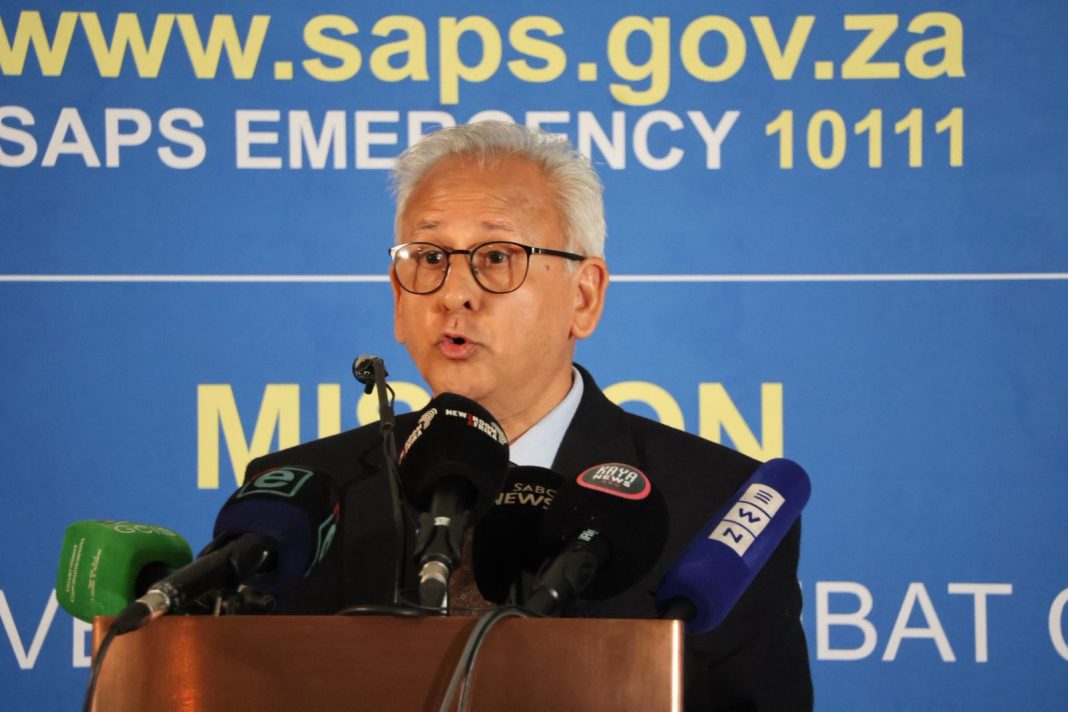
Crime Registrar Major General Thulare Sekhukhune said the SAPS uses population estimates to standardise comparisons between provinces instead of relying only on the number of cases recorded.
“What is evident from this slide is that there is a proportionality between the total population of a particular province vis-à-vis [compared with] the total number of murders that normally happen within that province,” Sekhukhune said.
“We are trying to standardise the comparison so that we not only look at the numbers, but we also take into consideration the total population per province.”
Despite having the highest murder rate, the Eastern Cape recorded a 4.5% decrease in murders compared with the same period last year.
The province recorded the same number of rape cases as in the previous comparable period.
Sekhukhune said the SAPS had examined a sample of 5,170 murders nationally to establish where the killings occurred.
The largest category was public places, where 2,871 murders occurred.
A further 1,614 murders happened at the residence of the perpetrator, including residences known to the victim.
“This is almost 31% of the murders from the sample that we have drawn that indicate that people are not safe in their residences, including residences known to the victim,” Sekhukhune said.
He said some killings followed social interactions in which people consumed alcohol or other substances before arguments escalated.
“It highlights an element of social interaction where the people initially interact, maybe through consuming alcohol and other mind-altering substances that they end up fighting. These fights in some instances result in murder,” he said.
The SAPS identified arguments, misunderstandings and provocation as a major contributing factor to murders. Of the 5,170 cases examined, 880 were linked to these factors.
The Eastern Cape had the second-highest number of murders attributed to arguments, with 195 cases, behind the Western Cape’s 210. Gauteng recorded 164.
Gang-related killings accounted for 251 murders in the sample, although the Eastern Cape accounted for only two of these. The Western Cape recorded 217 and Gauteng 29.
The Eastern Cape also recorded the highest number of police officers murdered during the quarter, with seven.
Nationally, 16 police officers were killed during the three months. Sekhukhune said 11 were off duty and six were killed while on duty.
The rape figures showed a similar concern about attacks occurring in places known to victims.
Of a national sample of 6,596 rape cases, 4,121, or 62%, occurred at the residence of the perpetrator, including residences known to the victim, perpetrator or family members.
“Again showing an element of acquaintances or social element in the rapes that we are experiencing,” Sekhukhune said.
Another 1,462 rapes, or 22%, occurred in public places.
The SAPS recorded 99 rapes at abandoned buildings and 84 at educational institutions.
The statistics also showed the role of alcohol in violent crime, with 250 murders, 620 attempted murders and 5,136 assault GBH cases nationally involving alcohol.
At places where alcohol was sold, the SAPS recorded 213 murders, 429 attempted murders, 69 rapes and 3,593 assault GBH cases.
Acting Police Minister Firoz Cachalia said crime was highly concentrated in particular areas, requiring police resources to be directed towards identified hotspots.
“That means that a relatively small number of policing precincts account for a disproportionate experience of violent crime.”
The government has identified 140 priority police stations nationally for targeted operational support, enhanced oversight and improved resource allocation.
Cachalia said the statistics showed that violent crime remained closely associated with alcohol consumption, particularly over weekends and at night.
“These stats show unmistakably a pattern that we have all been familiar with for a long period of time,” he said.
“Violent crimes occur mainly over the weekends at night, and they’re concentrated around liquor outlets, many of them unlicensed and operating without any regard for regulation.”
He said addressing violent crime would require cooperation between police, provincial governments, municipalities, the liquor industry and communities.
INSIDE POLITICS






