



By Alexa St. John
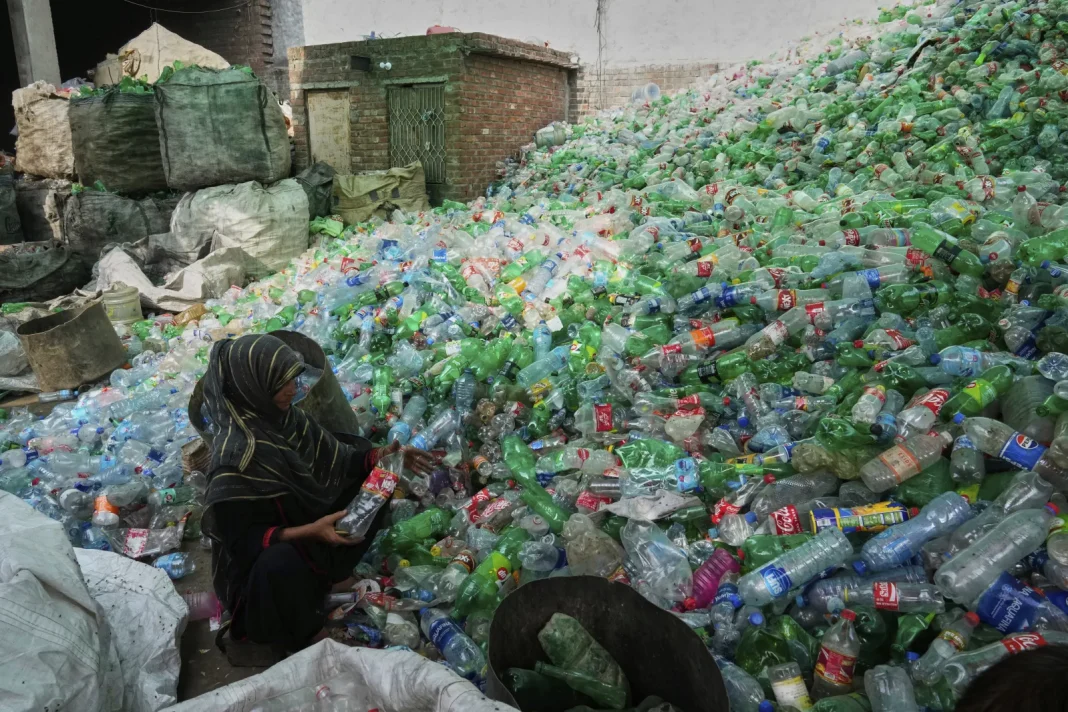
Talks aimed at a global treaty to cut plastic pollution fizzled in Geneva this week, with no agreement to meaningfully reduce the harms to human health and the environment that come with the millions of tons of plastic water bottles, food containers and packaging produced today.
Though as many as 100 countries sought caps on production, powerful oil-producing nations like Saudi Arabia and the United States stood against them. They argued the caps were unnecessary and a threat to their economies and industries.
That means any progress continues to depend on efforts to improve recycling, reuse and product design — the very things that powerful nations argued were sufficient to address the problem without resorting to production cuts.
Here’s what to know about how successful those efforts have been.
Just how big is the problem?
The world makes more than 400 million tons of new plastic each
You’ve reached your free article limit
Subscribe to enjoy unlimited access to trusted journalism. Cancel anytime.
Subscribe nowNeed help? molokom@insidepolitic.co.za






