



Arshin Adib-Moghaddam
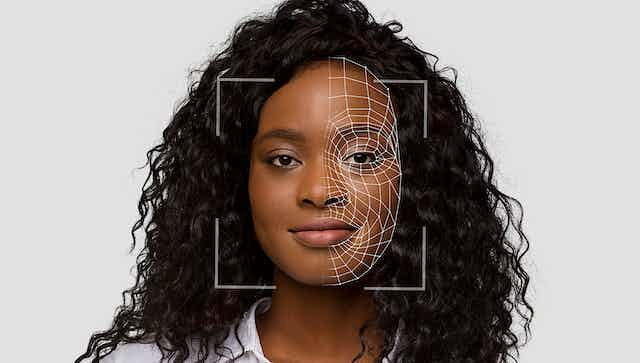
Bad data does not only produce bad outcomes. It can also help to suppress sections of society, for instance vulnerable women and minorities.
This is the argument of my new book on the relationship between various forms of racism and sexism and artificial intelligence (AI). The problem is acute. Algorithms generally need to be exposed to data – often taken from the internet – in order to improve at whatever they do, such as screening job applications, or underwriting mortgages.
But the training data often contains many of the biases that exist in the real world. For example, algorithms could learn that most people in a particular job role are male and therefore favour men in job applications. Our data is polluted by a set of myths from the age of “enlightenment”, including biases that lead to discrimination based on gender and sexual identity.
Judging from the history
You’ve reached your free article limit
Subscribe to enjoy unlimited access to trusted journalism. Cancel anytime.
Subscribe nowNeed help? molokom@insidepolitic.co.za






