
By Marcus Moloko
The Constitutional Court has delivered a major judgment on how customary marriages and later civil marriages interact, and, importantly, on whether couples can rely on an ante nuptial contract (ANC) signed after a customary marriage to change what happens to the property and money of that marriage.
The ruling, handed down on Wednesday in VVC v JRM and Others, is already being read alongside other high-profile disputes where a customary marriage was followed by a civil marriage and an ANC.


The judgment confirms a simple rule. If a couple already has a valid customary marriage, a later civil marriage doesn’t cancel it. And if they want to change the money and property rules that apply to their marriage, they usually can’t just sign private papers, they must follow the legal process, which can include getting a court to approve the change.
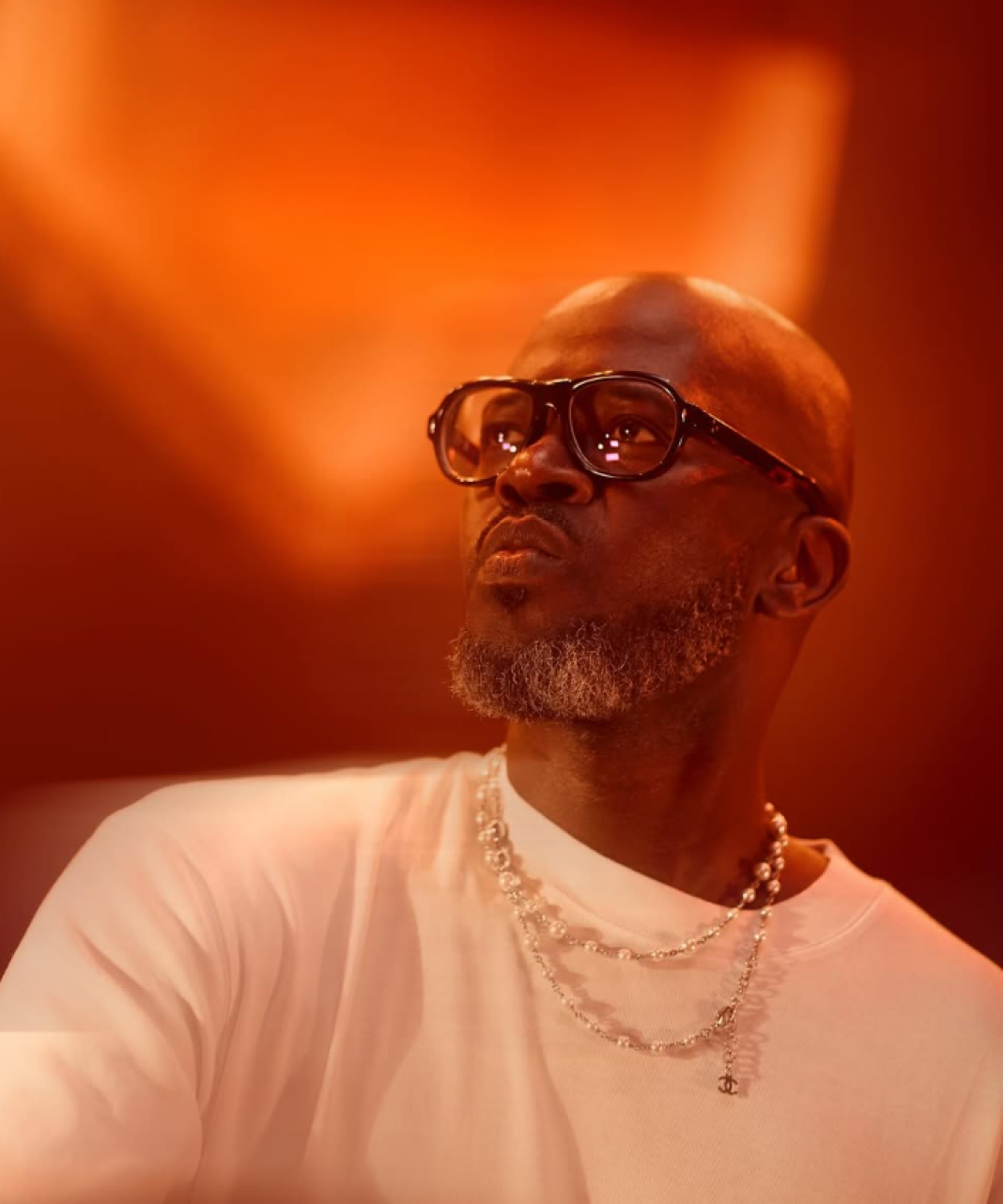
That matters because the DJ Black Coffee and actor Enhle Mbali Mlotshwa have been fighting over precisely this kind of legal terrain: a customary marriage said to date back to 2011, followed years later by a civil marriage and an ANC intended to regulate their property consequences.
ALSO READ: WATCH: Vanderbijlpark scholar transport driver charged with 14 murders, abandons bail application
A Gauteng High Court judgment delivered on 10 October 2025 found there was a valid customary marriage for the two, and that it carried the default proprietary consequences associated with that status, despite the later civil marriage/ANC arrangement.
The couples estate includes luxury homes, high-end vehicles, international investments, and lucrative music royalties from Black Coffee’s global career.
The divorce order already imposed significant financial obligations on Black Coffee. He was, according to reports, ordered to pay: Spousal maintenance: R67,167 per month to Mbali until her death or remarriage. Child support: R25,000 per child per month for their two children. Additional costs: All medical and school expenses for the children.
The Constitutional Court ruling does not decide the Black Coffee/Mlotshwa dispute (they were not parties to it). What it does do is add a Constitutional Court precedent into the legal mix, one that lawyers and judges may consider when dealing with disputes involving customary marriages, later civil marriages, and post-customary ANCs.
The Black Coffee matter is also not the final word yet. Maphumulo has been granted leave to appeal aspects of the High Court ruling to the Supreme Court of Appeal (SCA), and media reports indicate the appeal is expected to focus on whether a valid customary marriage was concluded (including issues like consent), and on certain aspects of the maintenance findings.
INSIDE POLITICS



