By Lebone Rodah Mosima
More than 70% of South Africans aged between 18 and 19 have not registered to vote despite being eligible, the Electoral Commission (IEC) said on Wednesday as it launched its campaign for the 2026 Local Government Elections.
The IEC officially launched the election programme at the Gallagher Convention Centre in Johannesburg ahead of voter registration weekend scheduled for June 20-21 and the municipal elections on Nov. 4.
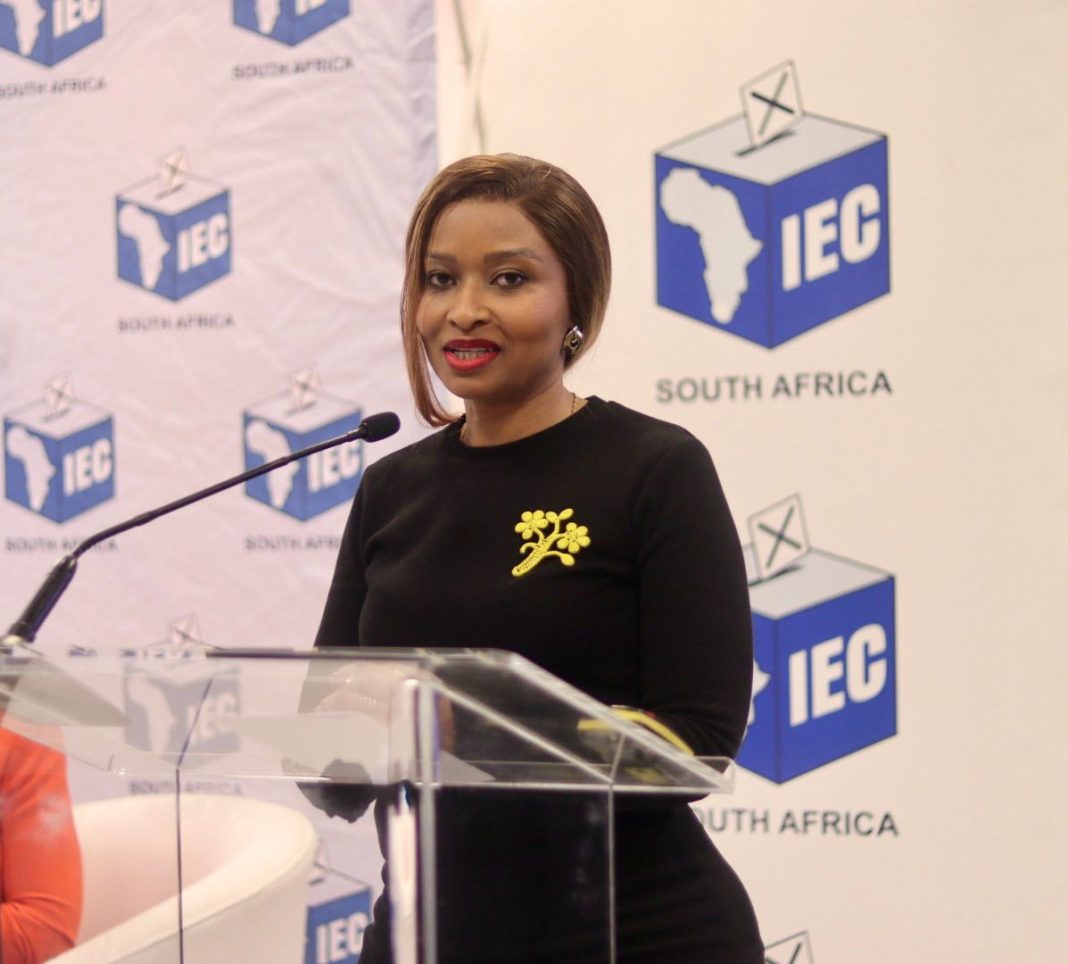
IEC general manager for civic and democracy education, research and knowledge management Moagisi Sibanda said the commission was intensifying efforts to attract first-time voters, particularly young people, amid growing distrust in democratic institutions and elections globally.
“It’s something that we are challenged with, but we are not afraid of the challenge,” Sibanda said.
“Today we launched and showcased a plethora of initiatives that are meant to counter this distrust and to invite South Africans back into the fold and to remind them that they have a role to play.”
She said democracy depended on active citizen participation and that the commission’s research confirmed widespread disengagement among young people.
IEC chief electoral officer Sy Mamabolo said the national voter registration weekend would involve 24,000 registration stations across 4,488 municipal wards.
He said stations would operate over the two days to allow citizens to register, verify their details and confirm their voting districts.
“The Commission has deployed over 800 municipal outreach coordinators, including persons with disabilities, across the country to drive voter education and awareness, reinforcing inclusive participation ahead of the elections,” Mamabolo said.
He said more than 62,000 community events had been held nationwide since the start of the year as part of ongoing voter education campaigns.
Mamabolo added that a door-to-door voter communication and registration drive conducted between May 11 and May 24 had reached 212 of South Africa’s 214 municipalities.
He said the IEC’s tertiary institutions campaign had reached nearly 98,000 students through more than 1,000 activations across all nine provinces, resulting in more than 45,000 student registrations.
“The Schools Democracy Programme, implemented in partnership with the Department of Basic Education, continues to build awareness by educating learners on democratic principles and electoral processes, while encouraging eligible learners aged 16 and older to pre-register,” he said.
Mamabolo said the commission had introduced several initiatives aimed at reversing declining voter turnout, including an online voter registration portal and a youth-focused programme titled “Beats for My Peeps”, developed in partnership with the SABC to combat voter apathy and misinformation.
He said the IEC had also expanded its contact centre into a multi-channel platform offering voice, live chat, email and social media support, while publishing a digital Atlas of Results for the 2024 national and provincial elections.
“The Commission is committed to delivering credible elections through collective responsibility, vigilance and active collaboration with all stakeholders, particularly in the face of rising misinformation,” Mamabolo said.
He added that the IEC was working with the South African National Editors’ Forum (SANEF), the South African Local Government Association (SALGA), the Media Development and Diversity Agency (MDDA), Africa Check and Moxii Africa to train more than 500 journalists across all nine provinces.
Mamabolo reminded eligible South Africans that voter registration would take place from 8 a.m. to 5 p.m. on June 20 and 21 and urged registered voters to confirm that their details, including voting districts, were correct.
Only voters registered at a specific voting station would be allowed to vote there, he said.
Electoral Commission chairperson Mosotho Moepya said the commission’s new communication strategies recognised the shift toward a decentralised and digitally driven media environment.
“Our new initiatives seek to transform communication from a periodic information broadcast into a continuous national dialogue,” Moepya said.
“Our strategic focus is clearly directed at young people.”
He said the commission aimed to counter growing political disengagement among young voters by integrating democratic education into the digital and cultural spaces they occupied.
Moepya said local democracy had the potential to become a practical tool for immediate community change.
INSIDE POLITICS