



By Moses Ngungu and Nicholas Komu
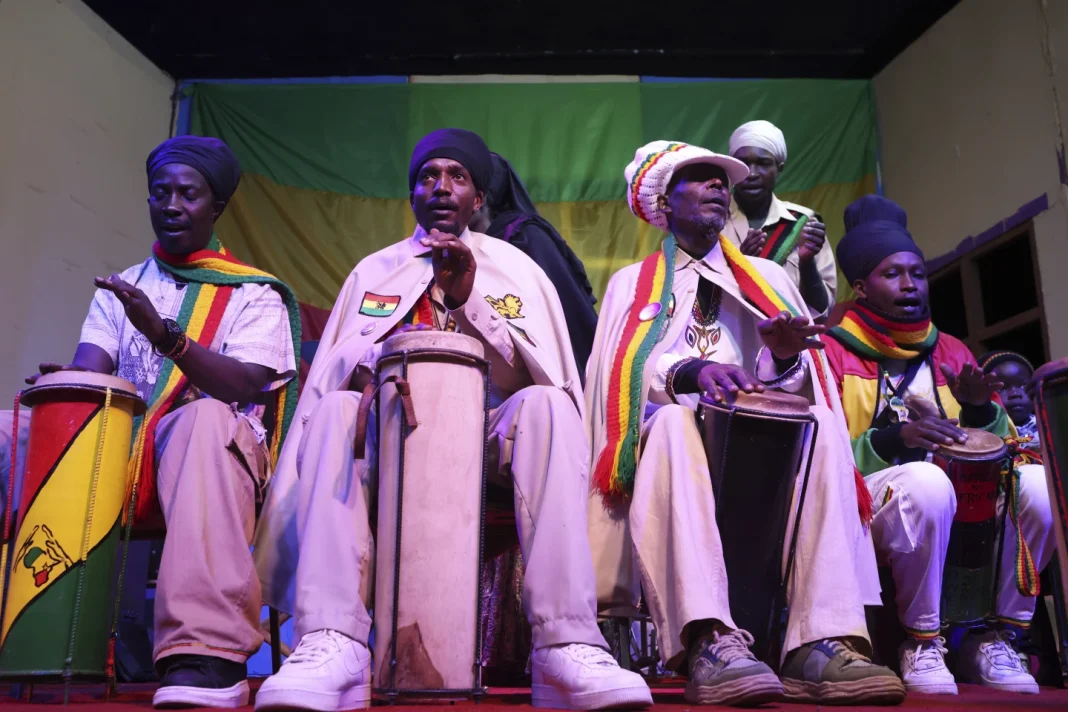
At a recent opening of the newest Rastafari place of worship just outside Kenya’s capital, some of the faithful gathered to sing rhythmic songs, read Scripture and exchange teachings on the appropriate way to live.
The rare event — opening a tabernacle made of wooden poles and roofed with iron sheets — illustrated the community’s expanding ranks in a country where until recently Rastafari was not considered a legitimate religion.
Things changed in 2019 with a court ruling in favor of a petitioner who cited discrimination when her school demanded that she cut her dreadlocks, often preferred by those who follow the Rastafari religion.
The student’s refusal to cut her locks had resulted in her expulsion from school, but the High Court ruled Rastafari was a legitimate religion that should be protected, a ruling later affirmed by the Supreme Court.
A history of the religion
Across the
You’ve reached your free article limit
Subscribe to enjoy unlimited access to trusted journalism. Cancel anytime.
Subscribe nowNeed help? molokom@insidepolitic.co.za






