

Agnes Erzse and Aviva Tugendhaft
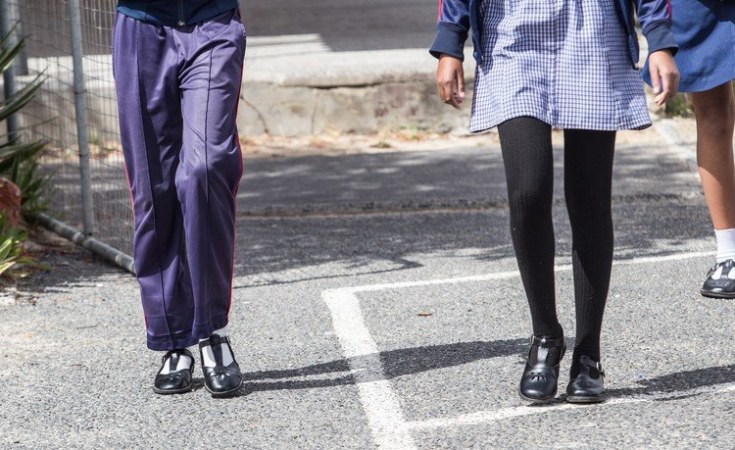
South Africa has persistently high rates of hunger and malnutrition among mothers and children.
More than a quarter – 27% – of children under five are stunted and 61% of children are iron-deficient. Sixty-nine percent of women of reproductive age are overweight or obese, and 31% are iron-deficient.
These figures paint a worrying picture. They suggest gaps in the country’s evidence-based nutrition policies and services.
One way to accelerate progress on malnutrition is through engaging with the people who are directly affected by policies.
South Africa’s health system strategy does include public consultation. But public participation is mostly limited to public meetings once a policy has already been drafted. This leaves little opportunity for substantial revisions. The lack of meaningful public engagement is also evident in how funds for mother and child nutrition are allocated. Decisions are left to policy makers and there’s little input
You’ve reached your free article limit
Subscribe to enjoy unlimited access to trusted journalism. Cancel anytime.
Subscribe nowNeed help? molokom@insidepolitic.co.za