
By Akani Nkuna
Health Ombudsman professor Taole Mokoena has found no direct causal link between the deaths of six healthcare workers in KwaZulu-Natal and workplace bullying, victimisation or adverse working conditions, but said that his investigation exposed serious weaknesses across the public health system.
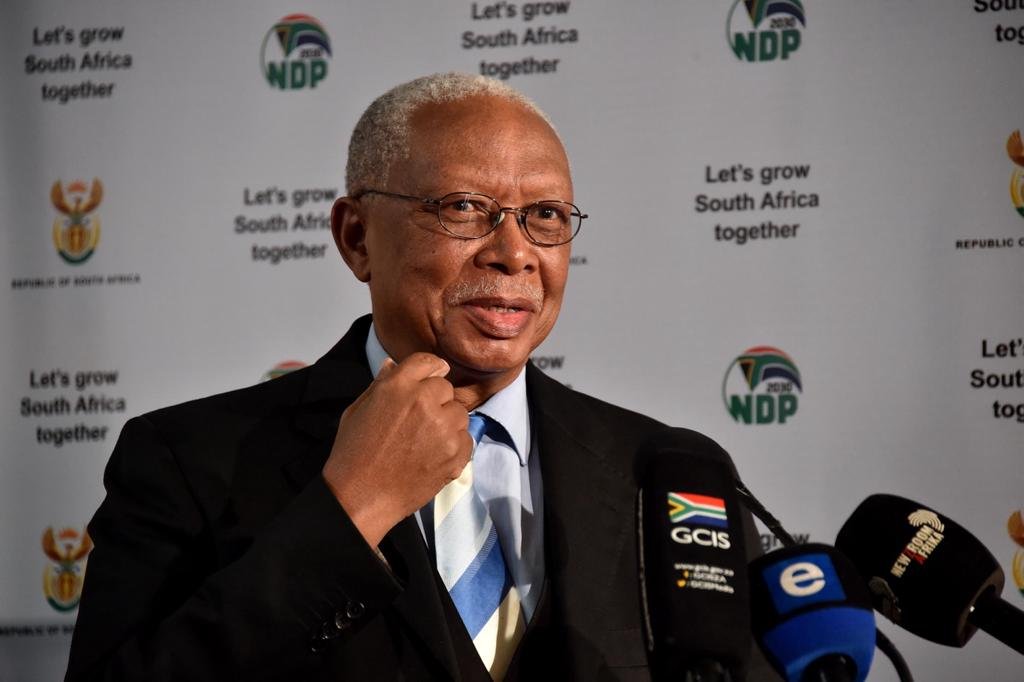
Mokoena briefed the media in Pretoria on Wednesday after an investigation into the deaths of six public health establishments in the province, following complaints lodged amid public concern over the deaths of healthcare professionals.
“The investigation found no evidence pointing to a direct causal link between the deaths under investigation and bullying, victimisation or adverse working conditions at any of the facilities concerned. However, this is an important finding because much of the public discourse pointed to workplace factors that directly caused these deaths,” he said.
“The finding does not mean that the health system is free of serious challenges. On the contrary, the investigation uncovered significant systemic concerns affecting healthcare professionals across multiple health establishments.”
The investigation considered the deaths of Dr Alulutho Mazwi, a medical intern at Prince Mshiyeni Memorial Hospital; Dr Tumelo Kgaladi, who worked at Addington Hospital; Mvelo Cele, a radiographer at Port Shepstone Hospital; Dr Siyabonga Zulu of Ngwelezane Hospital; Dr S.I. Ngidi, who worked at Benedictine Hospital; and Dr Francis Idika of Vryheid Hospital.
Cele was the only healthcare professional among the six who died while on duty. The other deaths occurred off duty and in circumstances that included illness, a motor vehicle accident and one matter that remained subject to further forensic processes.
Mokoena said the investigation raised concerns about burnout, limited mental health support, staff shortages, frozen vacant posts, excessive workloads, infrastructure disrepair, workplace safety and inadequate employee wellness support.
He said employee wellness programmes were under-resourced and expected to support thousands of workers across the province, making the current model inadequate and unsustainable.
“The wellbeing of health workers is not a secondary issue, it is a central issue of functioning of the health service system. The system cannot effectively care for patients if it fails to adequately support those who provide the healthcare,” said Mokoena.
He said staff shortages and resource limitations were detrimental to morale among healthcare professionals.
His recommendations included strengthening employee wellness programmes, improving staff support systems, addressing security concerns, enhanced oversight and accountability, and ensuring compliance with the prescribed norms and standards for healthcare establishments.
The report also raised broader governance concerns, including leadership and authority challenges in health establishments, and the need to strengthen oversight of hospital management.
Health Minister Aaron Motsoaledi said the findings showed the need to review long-standing human resources policies in the public health sector, including those dealing with outside remunerative work, committed overtime, community service and rural allowances.
Motsoaledi said the current policy framework may be contributing to staffing shortages and uneven capacity in public facilities, while demand for healthcare continued to grow faster than the system could manage.
“We do have evidence that the demand of healthcare, the population, is growing much more than our facilities can [endure]. That is a fact…to colleagues, especially in internships, the story that you are scared to ask for leave when you are sick, because you will not conclude your internship, it is ill founded. I do not know what is it based on [but] that is not the policy of government,” Motsoaledi added.
INSIDE POLITICS





