
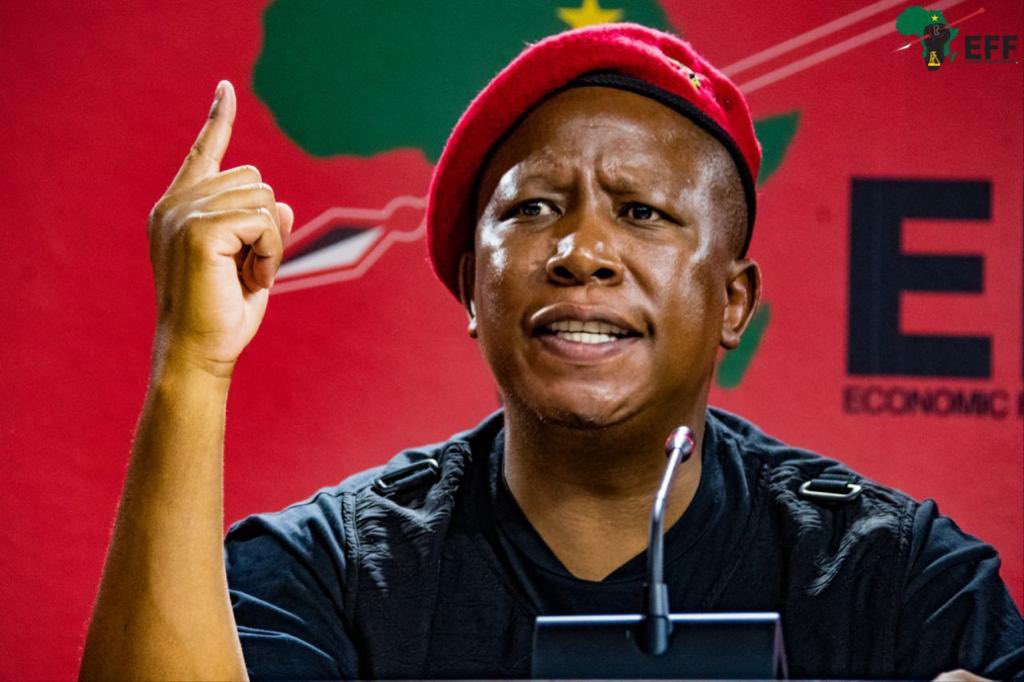
By Des Erasmus
When Julius Malema appears in court on Wednesday for the first day of sentencing proceedings in his firearm discharge conviction, we will find out if a demagogue can still dress up criminal conduct as politics, or if the law will cut through the bluster.
The NPA has said that it will ask for a custodial sentence, opposing the idea that Malema can simply pay his way out with a fine.
Malema has, characteristically, amplified the drama.
He told media last week that the state is “going for the kill” and wants him to receive 15 years behind bars. In other words, the EFF leader has tried to make a legitimate prosecution look like political persecution in the eyes of his devotees.
The hearing was set down for final heads of argument and sentencing after January’s mitigation proceedings, with Magistrate Twanet Olivier saying it could run over two days at the East London Magistrate’s Court.
Also in January, Malema said: “I can’t learn a lesson from hatred,” accusing the judiciary of having a political agenda.
After the matter was postponed, he said that the courts were being used to settle political scores. “No prison can make me retreat from my ideas,” he declared in a Che Guevara-esque manner.
Thus a man facing a sentence for firing a weapon in public has shown no instinct for contrition, no self awareness about the dangers of a lack of impulse control. Instead, he has reached for martyrdom, as he so often does.
It is important to remember that this case did not unfold in the normal atmosphere of legal disagreement.
In February 2023, hundreds of EFF supporters protested outside court demanding Olivier’s recusal after Malema accused her of bias. She rejected the recusal application, saying the allegations were unfounded.
In October 2023, after Olivier dismissed Malema’s discharge application, he accused her of being corrupt and an “incompetent white magistrate”.
Judges Matter condemned Malema’s words as an assault on judicial independence. It said his conduct could “chill” judicial officers who have to decide cases involving powerful figures with mass followings.
It called on Malema to retract the statements and apologise.
He refused.
But this is the predictable pattern with Malema. When the facts go against him, the referee becomes the villain.
After his conviction, Malema said the ruling proved Olivier was racist because his white co-accused and former bodyguard, Adriaan Snyman, who handed him the gun to fire at the crowded stadium during a rally, had been acquitted.
There was, as usual, no legal argument from Malema for his poor attempt at justifying his statements. These were just careless words spewed recklessly by a politician in an overpriced suit. Something South Africans have come to know Malema for.
In August last year, the Equality Court found him guilty of hate speech, ruling that his telling supporters never to be scared to kill was inciting harm and violence. To Malema’s followers, his words were mere bravado. To those of us without blinkers, they were hate dressed up as authenticity.
Under section 47 of the Constitution, a sentence of more than 12 months’ imprisonment without the option of a fine can disqualify Malema from serving in the National Assembly – once appeals are concluded or the appeal period expires.
This week’s sentencing, therefore, is not just about whether Malema goes to prison.
It is about whether our democracy is still capable of telling a politician, who has spent years mistaking intimidation for courage, that the crowd cannot save him from the consequences of what the court found he actually did.
INSIDE POLITICS





