

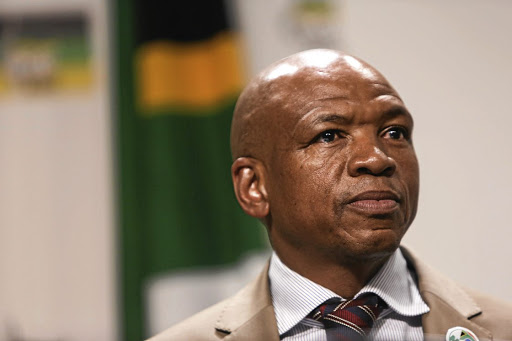


By Supra Mahumapelo
South Africa’s post-1994 immigration framework was designed around two imperatives: to correct the xenophobic exclusions of apartheid and to fulfil international humanitarian obligations.
Nearly three decades later, the result is a policy paradox. The state is simultaneously overextended in service delivery and under-capacitated in border and migration management.
South Africa’s “immigration crisis” is less a crisis of migration itself, and more a crisis of governance capacity.
Without restoring sovereign control over entry, documentation and enforcement, both the constitutional rights of citizens and the international protections owed to refugees will continue to erode the constitutional framework and competing rights.
The South African Constitution entrenches a rights-based order that extends beyond citizens. Section 27(1) states: “Everyone has the right to have access to health care services, sufficient food and water; and social security”. Section 35 further guarantees rights to all detained or arrested persons. This universal language reflects the
You’ve reached your free article limit
Subscribe to enjoy unlimited access to trusted journalism. Cancel anytime.
Subscribe nowNeed help? molokom@insidepolitic.co.za






