
- Advertisement -spot_img

SA’s Major Trade Unions Considering Strike, Legal Action After Labour Appeal Court’s Public Wage Deal Ruling

- Advertisement -spot_img

Must read

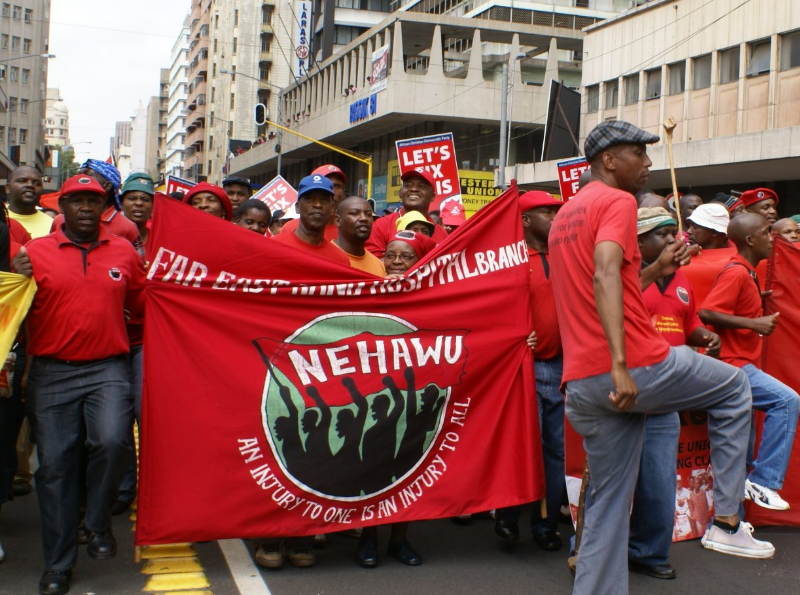
NEHAWU says the Labour Court judgement against public wage increases is a threat to collective bargaining in South Africa, and if left unchallenged it will set a bad precedence for all workers in the country regardless of their sector.

The Labour Appeal Court ruled on Tuesday that it would be unlawful for trade unions to enforce the latest wage increases.

“Many employers will have a case to refer to when they elect to renege on implementing binding collective bargaining agreements. This will give employers a space and freedom to undermine collective bargaining processes and reduce workers to a life of poverty,” Nehawu said in a statement.

“The judgement by the court should unite all workers across the country to fight against the reversal of their gains and their right to bargain. The collective bargaining currently enjoyed in the country did not come on a silver platter; it took the blood and sweat of workers. In this regard, we call on all our members and workers across all sectors to get ready for a mother of all wars against our government and all other employers who are hell-bent on paying workers peanuts.”

Nehawu said intended to challenge the ruling in court.

The government on Tuesday won a court case over public-sector wage increases that it has refused to pay, boosting its efforts to repair a gaping budget deficit and soaring debt.

Trade unions had approached the courts to try to enforce a wage deal struck in 2018 that promised their members inflation-linked increases for three years in a row.

The government honoured the deal for its first two years but did not pay the final year of increases, which were due to take effect in April. It said the increases would cost more than 37 billion rand ($2.5 billion), which it couldn’t afford during the COVID-19 pandemic.

The Labour Appeal Court ruled it would be unlawful for trade unions to enforce the latest wage increases because it would contravene parts of the constitution and public service regulations.

But it added that further negotiations between the government and unions over a settlement may still take place.

“Under the present financial circumstances, it does not appear to be just and equitable to order the government to expend significant and scarce financial resources on employees whose jobs are already secured and salaries have been paid in full,” the court’s judgment said.

Reuben Maleka, a negotiator for the Public Servants Association, said the probable way forward for his union was a strike.

Mugwena Maluleke, general-secretary of teachers’ union SADTU, which is part of the COSATU federation, said unions could challenge the judgment in the constitutional court.

The Department of Public Service and Administration said it was studying the ruling. The National Treasury did not immediately respond to an email seeking comment.

Civil servants’ salaries make up around a third of consolidated state spending and have been rising quickly over the past decade.

They are among major concerns for credit-rating agencies that have downgraded the country’s sovereign rating deeper into junk status this year.

The government could still offer unions a sweetener in the form of a one-time payment.

The governing African National Congress is in an alliance with COSATU and will rely on it to help rally support at next year’s local government elections.

Unions and the government haven’t begun wage negotiations for the fiscal year starting in April 2021, and they could be fraught with tension given Tuesday’s ruling.

(Additional reporting by Reuters)

More articles

LEAVE A REPLY

Please enter your comment!
Please enter your name here

CATHSSETTA

spot_img

AVBOB STEP 12

spot_img

Inside Education E-Edition

spot_img

Inside Metros G20 COJ Edition

spot_img

JOZI MY JOZI

spot_img

QCTO

spot_img

Latest article



