



By Johnathan Paoli
Taxi boss Joe “Ferrari” Sibanyoni has admitted that a taxi association affiliated to him helped pay the legal fees of convicted taxi killer Gwabo Mahlangu, while denying that he personally selected the lawyer or authorised funding for Mahlangu’s appeal.
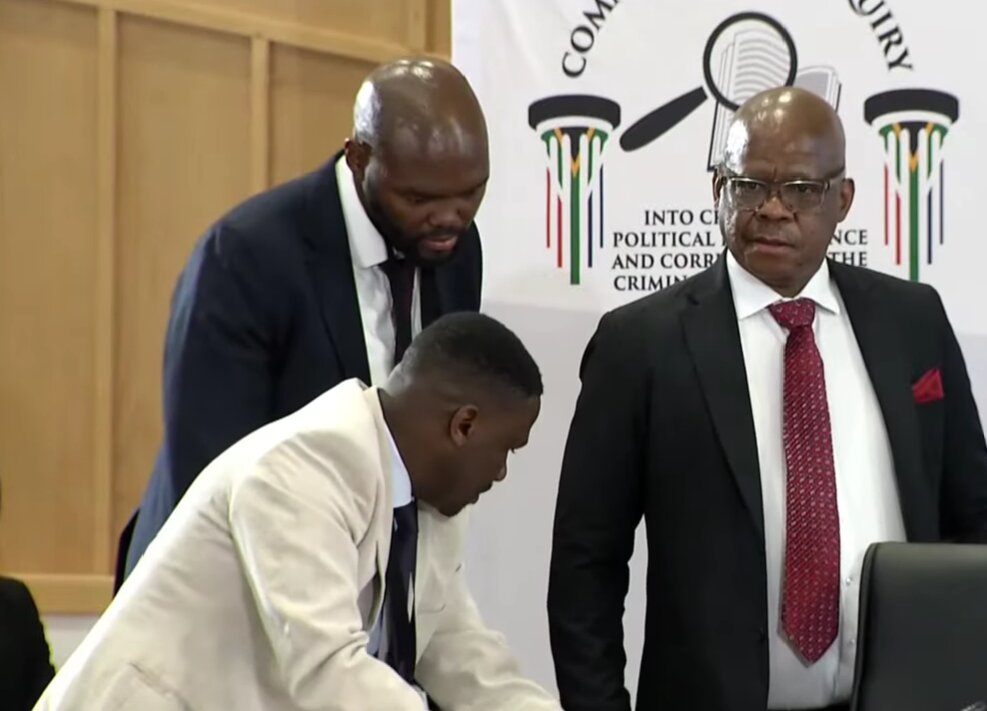
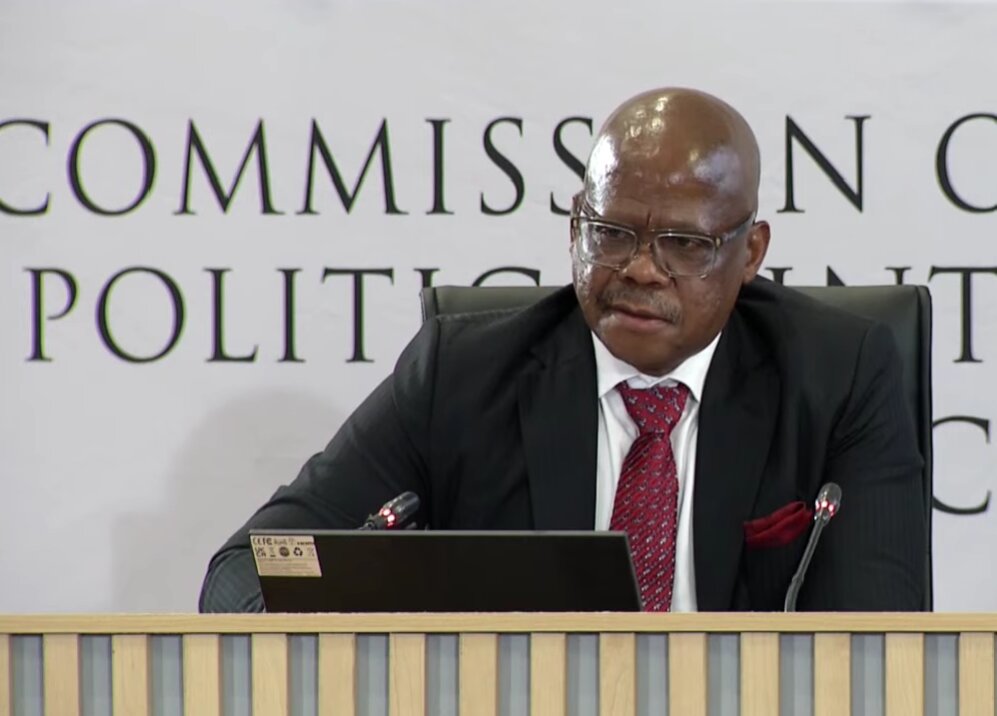
Appearing before the Madlanga Commission of Inquiry on Tuesday, Sibanyoni’s testimony came as evidence leader Matthew Chaskalson confronted him with WhatsApp messages suggesting that Sibanyoni and fellow taxi boss Oupa “Bafana” Sindane were involved in funding the legal defence of Mahlangu and another convicted taxi killer, Tshegofatso Richmond Makofane.
ALSO READ: Ramaphosa to address nation on GBVF and Ekurhuleni murders
Sibanyoni admitted that he “played his part” when pressed about his involvement in arranging financial support for Mahlangu, but claimed he knew Mahlangu’s late father and that the family needed assistance with his legal fees.
He said the taxi association had “assisted to a certain extent” in honour of Mahlangu’s father.
He confirmed that the association was affiliated to his taxi organisation, but denied choosing the attorney who represented Mahlangu.
According to Sibanyoni, Sindane facilitated a meeting that resulted in the funding arrangement.
Sibanyoni also acknowledged that he knew Mahlangu had been accused and ultimately convicted of murdering a taxi marshal.
When Commissioner Sandile Khumalo asked whether he supported such crimes, Sibanyoni said he did not and maintained that his intention had been to help Mahlangu’s mother.
But WhatsApp messages read into evidence painted a more complicated picture.
Attorney Hartley Ngoato had complained to Sibanyoni about non-payment for the Gwabo matter, saying he could not continue with the case because promised money had not been paid.
ALSO READ: Sibiya: Sex with 18-year-old was consensual, 16-year-old had a crush on me
Ngoato said an earlier arrangement had been made for money paid for Makofane’s matter to be used to cover Mahlangu’s legal costs, but that this arrangement had broken down.
“Unfortunately due to nonpayment I am unable to proceed with the matter of Gwabo,” Ngoato wrote.
In another message, Ngoato complained that no money had been paid for Mahlangu and asked Sibanyoni to intervene. He later demanded the R250,000 that had allegedly been promised to him.
Sibanyoni said he offered Ngoato a “compromise” amount of R250,000 after his associate Mkhuzelwa Mthimunye objected to the lawyer’s invoices.
However, Sibanyoni insisted that his involvement was limited to Mahlangu’s murder trial and did not extend to his appeal.
Chaskalson challenged this version, pointing to messages sent months after Mahlangu had been sentenced, which referred to ongoing legal work and the appeal.
Sibanyoni denied allocating the taxi killers’ cases to Ngoato, although he admitted referring clients to the attorney.
The evidence leader also highlighted Ngoato’s repeated messages to Sindane about Makofane’s case.
In one message, Ngoato said he had been unable to attend court because of non-payment and that he could not proceed with Mahlangu’s appeal.
Sibanyoni said he did not know why Ngoato had continued communicating with Sindane about Makofane.
The questioning then returned to Sibanyoni’s alleged dealings with businessman Dr Tengane Thomas Ntuli, who accuses him and Sindane of demanding protection payments linked to his quarry business.
Sibanyoni acknowledged that he paid Ntuli R900,000, but described it as a business contribution towards a venture connected to the proposed Moloto Road upgrade through Kwaggafontein.
Ntuli alleged that Sibanyoni initially demanded R100,000 in cash and later sought a 40% share of his business income.
Sibanyoni denied extorting Ntuli and says the proposed profit-sharing arrangement was a legitimate business deal.
ALSO READ: Leaks, cuts and now no extra water for eThekwini, says Majodina
The commission questioned how Sibanyoni could claim 40% of a company in which he was not a shareholder.
Sibanyoni described the arrangement as a “handshake agreement” and maintained that his involvement was connected to supplying the project and satisfying alleged local-content requirements.
Commission chair Mbuyiseli Madlanga challenged the explanation, saying the alleged 30% local-content requirement did not appear to explain why Sibanyoni would receive 40% of the profits.
The commission also examined WhatsApp messages involving Sindane and the so-called Kwagga 20, a group allegedly linked to extortion, killings and taxi violence.
Sibanyoni acknowledged forwarding information about a police shootout involving his nephew, Mandla Mtsweni, but said he was merely keeping Sindane informed about events in his home area.
Chaskalson pointed out that Mtsweni was identified in an internal police report as one of the suspects who escaped during the operation.
Commissioner Sesi Baloyi said she found it “unbelievable” that Sibanyoni had not been interested in allegations that his nephew was linked to a group suspected of more than 20 murders.
Sibanyoni has consistently denied being part of any criminal organisation or syndicate and has challenged the commission’s use of the WhatsApp evidence.
The commission continues.






