

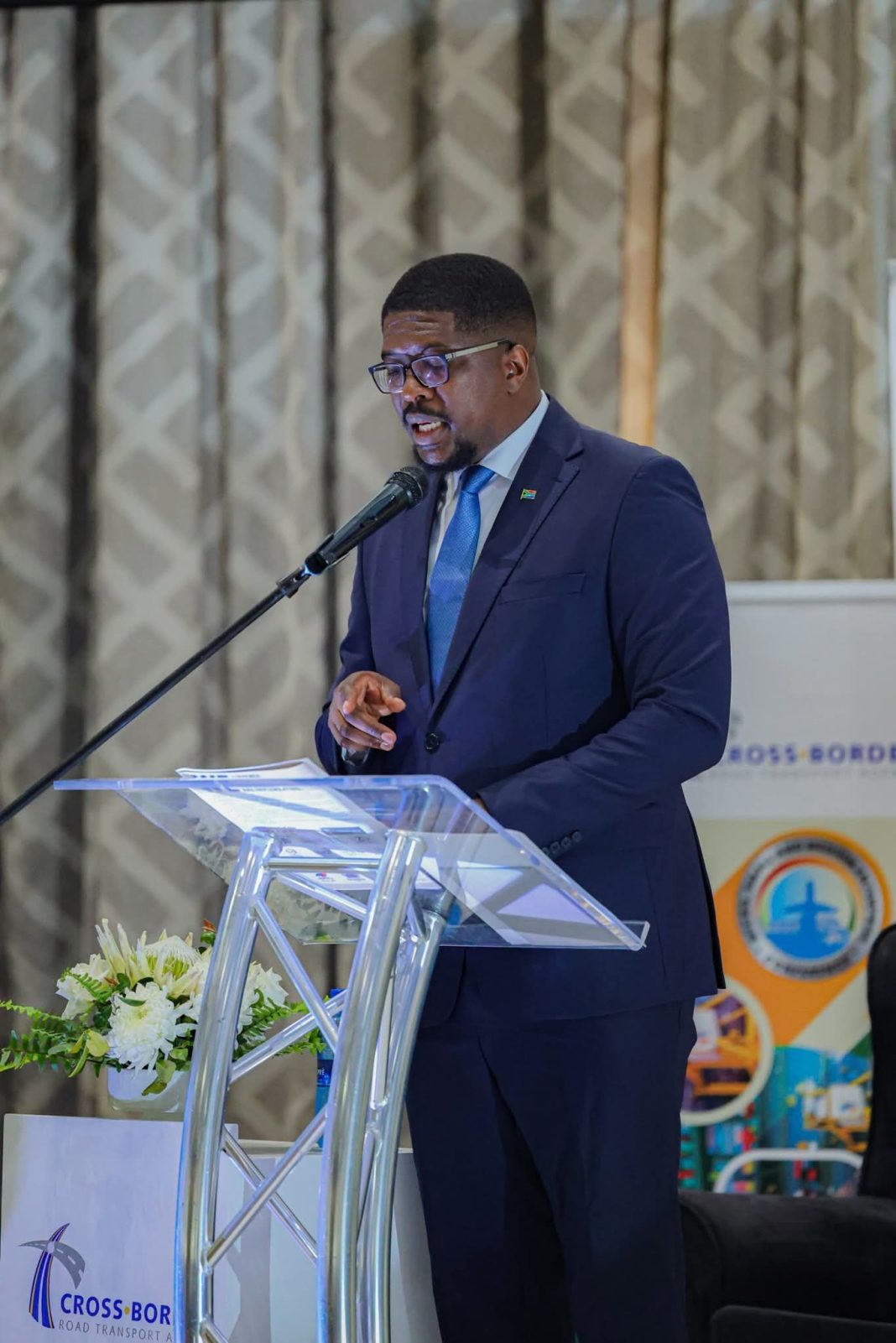


By Lebone Rodah Mosima
Deputy Transport Minister Mkhuleko Hlengwa has told government and the transport industry that the days of repeatedly discussing barriers facing small businesses without delivering measurable results are over.
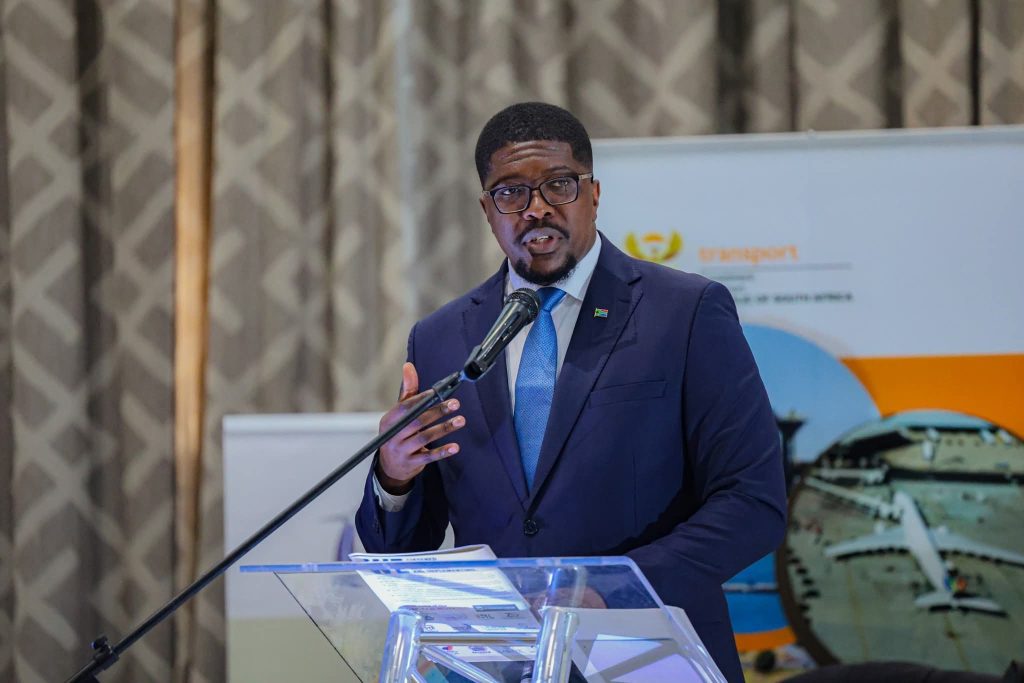
Speaking at the second Cross-Border Road Transport Agency (C-BRTA) Micro, Small and Medium Enterprises (MSME) Conference in Umhlanga, KwaZulu-Natal, Hlengwa said the industry could not return to conferences each year discussing the same problems without evidence of progress.
ALSO READ: Ex SAPS profiler says Ekurhuleni murders should be treated as potential serial case
“Dialogue must lead to action. Action must lead to opportunities. Opportunities must lead to sustainable businesses. And sustainable businesses must lead to jobs, economic growth and improved livelihoods,” he said.
The conference follows the inaugural gathering in Gqeberha last year, which Hlengwa said had exposed barriers preventing smaller businesses from fully participating in the transport economy.
One outcome has been the enrolment of 36 MSMEs in the C-BRTA Incubation Programme following resolutions adopted at last year’s conference.
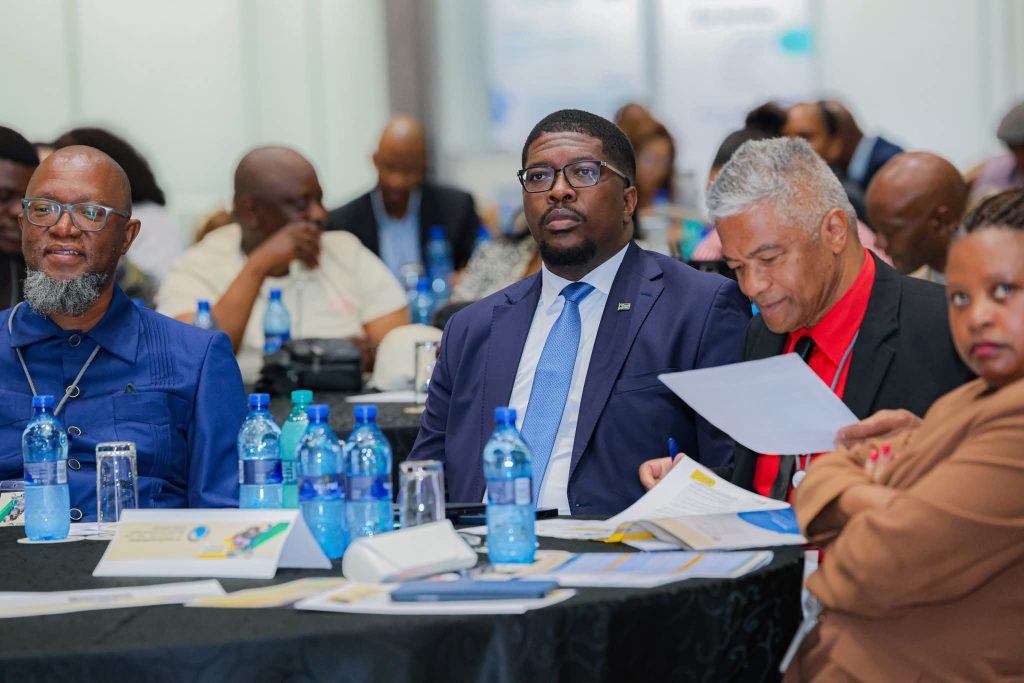
The programme targets existing cross-border freight operators, domestic freight operators seeking to expand into cross-border operations and start-ups in the transport industry. Particular attention has been paid to black-owned businesses and companies owned by women, young people and people with disabilities.
Hlengwa said relationships had also been strengthened with financial institutions and the National Empowerment Fund, while MSME development had increasingly been incorporated into transport sector forums.
“Access to opportunity must be matched with access to finance, markets, skills, information, and networks,” he said.
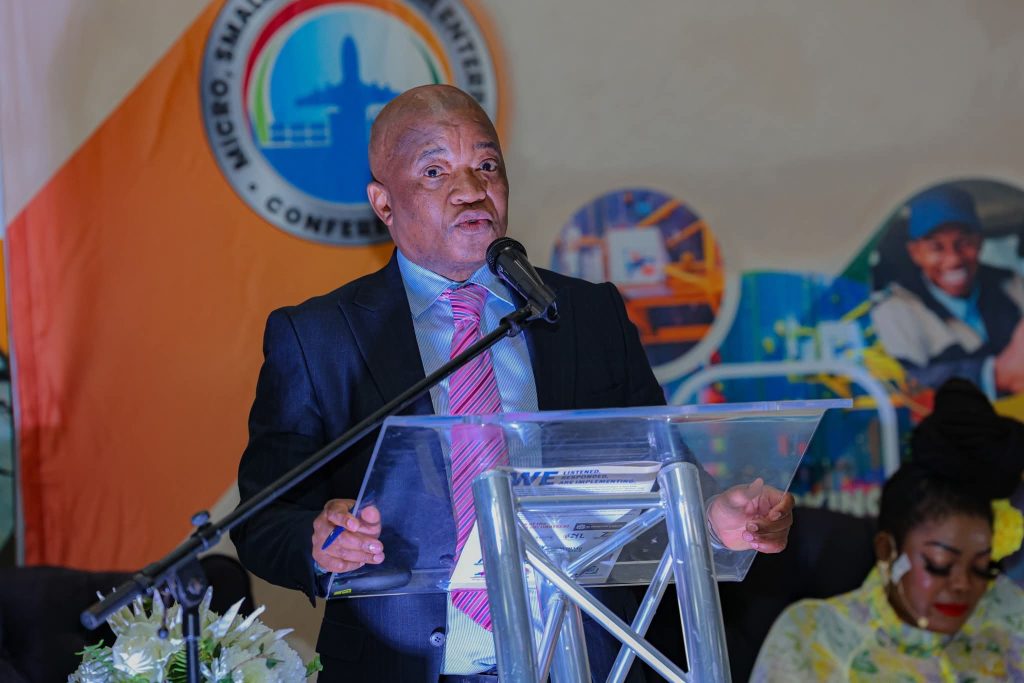
“However, we must be clear: the existence of programmes does not automatically guarantee business success.”
He said government had to improve the regulatory environment and address structural barriers preventing smaller businesses from entering the sector, while financial institutions needed funding products that reflected the realities faced by small firms.
ALSO READ: KZN’s Ntuli bets on urgent plan to stem 60% water losses as elections loom
Established companies also had a responsibility to create meaningful opportunities for MSMEs to enter their supply chains, he said.
“This is why MSME development must be viewed as an integral part of transport transformation. Government cannot achieve these targets alone,” Hlengwa said.
“The private sector, financial institutions, development finance institutions, established companies, original equipment manufacturers, industry associations, and MSMEs themselves all have a role to play.”
Government is trying to push reforms across the freight rail, ports, passenger rail, aviation and road transport systems, which Hlengwa said could create significant opportunities for smaller businesses.
The Department of Transport has six key targets guiding its passenger, freight and logistics programme, including moving 250 million tonnes of freight on the Transnet network and improving port operations to an international benchmark of 30 gross crane moves per hour.
It also aims to restore safe and reliable passenger rail and reach 600 million passenger journeys annually by 2030.
In aviation, government is targeting 42 million passengers and 1.2 million tonnes of air freight through Airports Company South Africa’s network by the end of the current term.
The department also aims to reduce road fatalities by 45% by 2029 as part of efforts to move towards the United Nations target of halving road deaths by 2030.
Hlengwa said these targets should not be regarded simply as figures in a government performance plan because achieving them would generate economic activity throughout transport supply chains.
“They represent economic activity, markets, opportunities for businesses, and opportunities for MSMEs to enter, grow, and compete within the transport value chain,” he said.
ALSO READ: ANC says IEC relied on wrong interpretation of law to disqualify it from elections
Increasing freight moved by rail, for example, could create demand beyond the large logistics companies for freight handling, warehousing, distribution, maintenance, fleet services, technology, security, cleaning and catering.
Improving port efficiency could similarly reduce delays and costs while providing more reliable business for smaller companies involved in imports and exports.
Passenger rail offered opportunities in operations, maintenance, technology, ticketing, vehicle services and infrastructure support, while growth in aviation could expand demand from businesses linked to tourism, trade and air freight.
Hlengwa said road safety also presented opportunities in vehicle maintenance, driver training, road safety education, fleet management, data systems and technology.
But he said MSMEs would also have to demonstrate that they were capable of competing for work as opportunities opened.
“This requires professionalism, compliance, innovation, sound financial management, and a willingness to build sustainable businesses,” Hlengwa said.
He told smaller businesses to identify where they could fit into the changing transport economy, including as suppliers, service providers, transport operators and innovators.
“Government will continue creating the conditions for businesses to participate, but businesses must seize those opportunities,” he said.






