

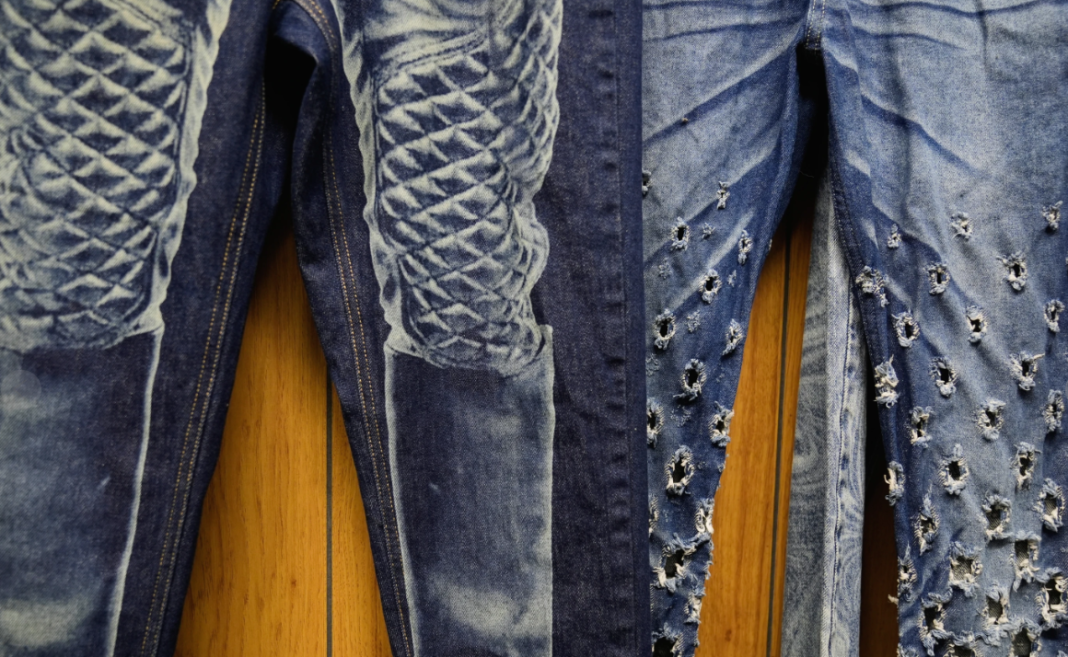


Your favorite pair of jeans may have traveled around the world through cotton farms, dye houses, wash facilities and factories before ending up in your closet. The denim may have never been worn but it is stonewashed, sanded, chemically faded or laser-treated to look like it.
Those processes can require significant amounts of water, energy and chemicals — part of the reason denim has become a growing target for sustainability efforts across the fashion industry, which is among the world’s biggest producers of greenhouse gas emissions.
Brands are responding to wider awareness by marketing their jeans as “sustainable,” touting regenerative cotton, recycled fibers and low-water manufacturing techniques. But figuring out if that’s true is far more complicated. For one, sustainability is difficult to define — and there isn’t a universal set of standards.
Last week, Chinese fast-fashion giant Shein acquired Everlane, a brand known for transparency and sustainability efforts, highlighting
You’ve reached your free article limit
Subscribe to enjoy unlimited access to trusted journalism. Cancel anytime.
Subscribe nowNeed help? molokom@insidepolitic.co.za






