



ROY HAVEMANN
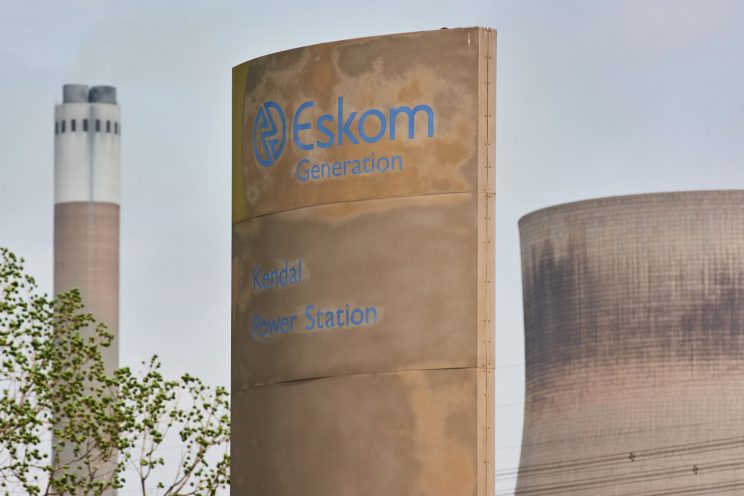
THE announcement by the South African finance minister, Enoch Godongwana, of debt relief for the country’s troubled power utility, Eskom, is a step forward. It will fix one problem: Eskom has too much debt. But the plan won’t end power cuts which have worsened in recent years.
The international experience is that one way to end electricity shortages is to allow competitively-priced privately-funded generation at scale. This requires a reorganisation of South Africa’s electricity market along the lines announced by the Department of Public Enterprises nearly four years ago. The crux of the plan was to split Eskom into three separate units – generation, transmission and distribution, with transmission remaining state-owned.
With the announced conditions, which include the requirement that Eskom prioritise capital expenditure in transmission and distribution during the debt-relief period, the finance minister has missed an opportunity to finally achieve this.
What we can learn from other countries
Other countries that have had power cuts offer South Africa lessons. China, for example, faced rolling blackouts between 2003 and 2006 because of an
You’ve reached your free article limit
Subscribe to enjoy unlimited access to trusted journalism. Cancel anytime.
Subscribe nowNeed help? molokom@insidepolitic.co.za






