



ROULA INGLESI-LOTZ|
SOUTH Africa’s electricity sector has faced a series of challenges over the last two decades. It started with inadequate grid infrastructure to provide electricity to the majority of the South African population in the 1990s.
In 1994, only 36% of total households were electrified; 50% of the urban population and 12% of the rural population.
Particularly in the middle of the 2000s, the national utility, Eskom, ran into liquidity and profitability problems.
It received frequent government bailouts. The 2022 national budget allocated R21.9-billion to Eskom.
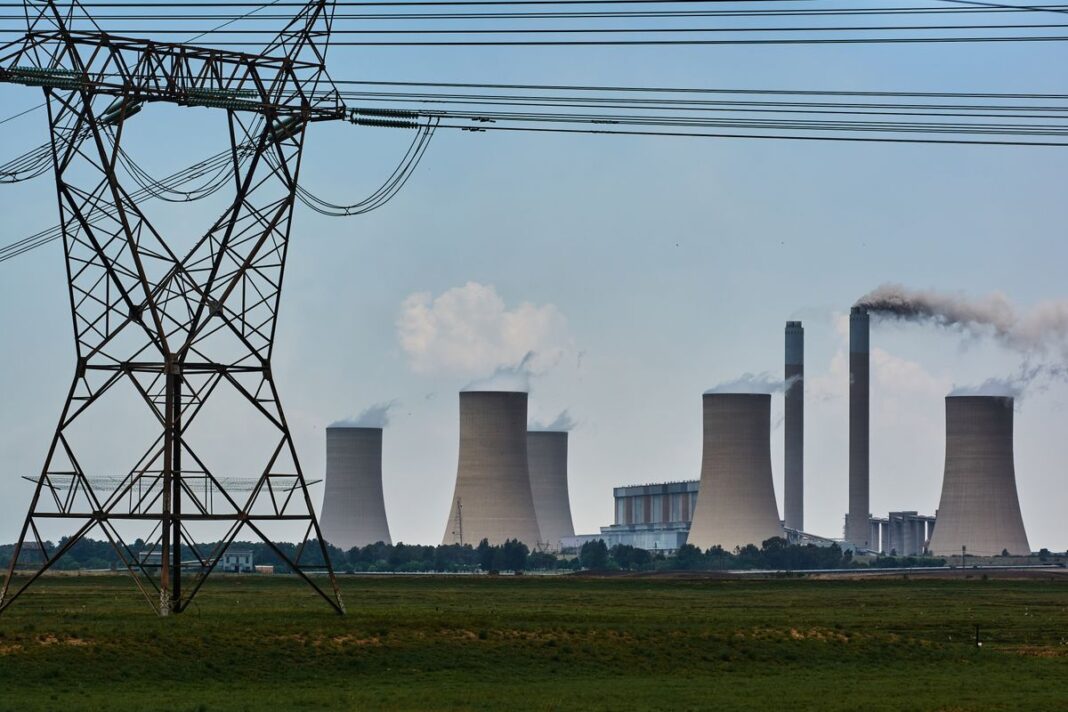
Meanwhile Eskom’s ageing electricity generation plants have deteriorated, resulting in frequent breakdowns.
Since 2007/2008, the utility has been unable to supply electricity to meet aggregate demand. It has implemented rolling power cuts.
These are systematic, temporary power outages that help balance the supply and demand of electricity in the market to avoid national blackouts.
Electricity tariffs have risen by 14.73% year-on-year on average from 2008/09 to 2018/19.
In recent years, particularly since 2008/09, the instability in the electricity
You’ve reached your free article limit
Subscribe to enjoy unlimited access to trusted journalism. Cancel anytime.
Subscribe nowNeed help? molokom@insidepolitic.co.za






