



HUGH CORDER
IN South Africa’s apartheid era from 1948 to 1994, the executive arm of government dominated over parliament. In any system, this allows a small group of politicians to dominate the larger body of elected representatives from which they are drawn, with no effective limitations. Corruption and abuse of power almost always follow directly.
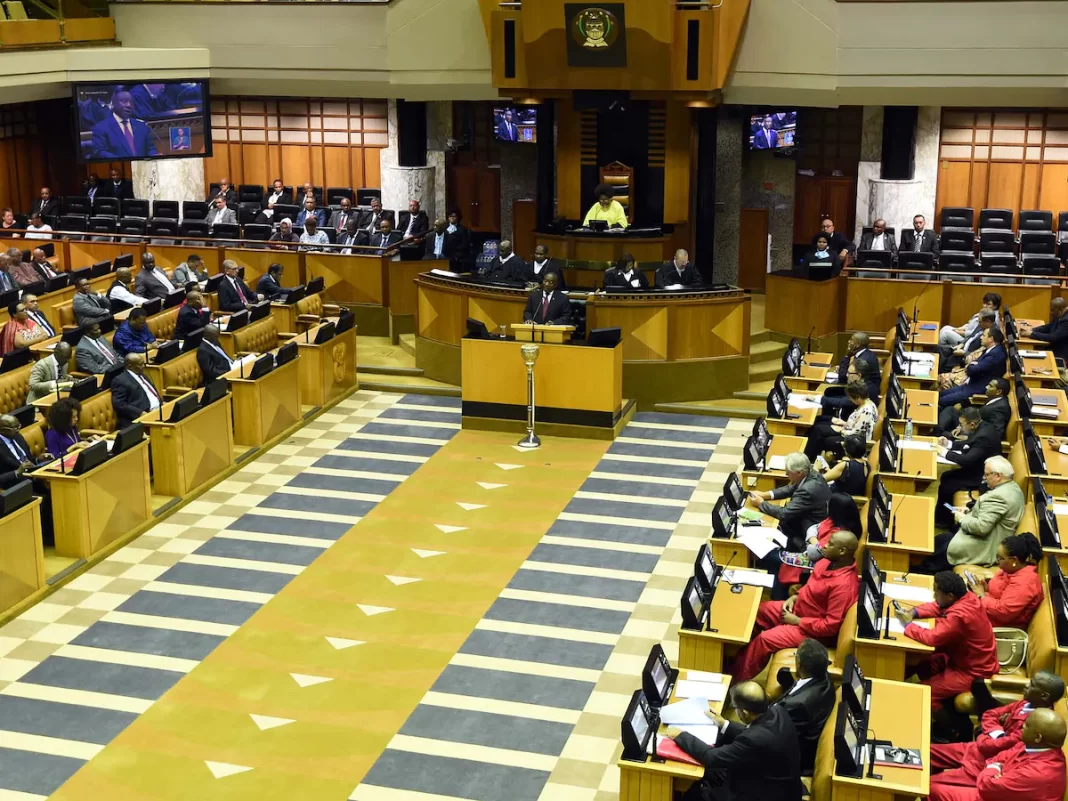
At the start of the new democratic era, the drafters of the 1996 constitution changed this. The constitution gives the legislature the authority and the obligation to oversee the exercise of public power, and hold the executive accountable.
The constitution contains nearly 40 provisions to do this. Chief among these provisions is section 55 (2): The National Assembly must provide for mechanisms – (a) to ensure that all executive organs of state in the national sphere of government are accountable to it; and (b) to maintain oversight of (i) the exercise of national executive authority, including the implementation of legislation;
You’ve reached your free article limit
Subscribe to enjoy unlimited access to trusted journalism. Cancel anytime.
Subscribe nowNeed help? molokom@insidepolitic.co.za






