
By Marcus Moloko
Across South Africa, scenes of desperation and uncertainty are unfolding as migrants gather at consulates and repatriation centres in the days leading up to the June 30 anti-immigration protests.
In Cape Town, hundreds of Zimbabwean nationals – including women and children – were relocated on Sunday morning from outside the Zimbabwean Consulate in District Six to a dedicated Department of Home Affairs Repatriation Centre in Epping.
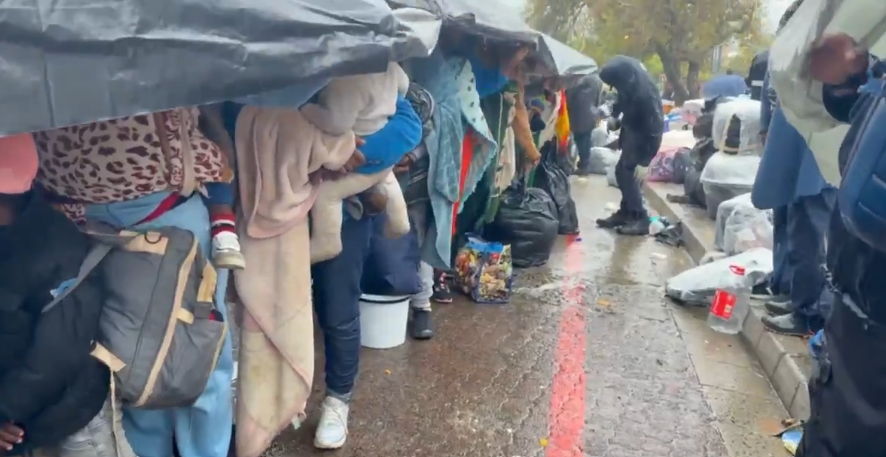
The emergency operation was triggered by heavy rains and harsh winter weather that left families exposed on the pavements for days.
City officials said the move was necessary to ensure safety, health, and humane treatment.
ALSO READ: Cachalia orders firm policing ahead of June 30 immigration protests
The Epping facility has now been designated the sole processing hub for Zimbabwean nationals seeking to return home. Authorities stressed that no further repatriation requests will be handled at District Six, urging people to go directly to Epping, where documentation will be completed before safe transport to the Beitbridge border post.

Similar scenes have been reported elsewhere. In Johannesburg, hundreds of Malawian nationals gathered outside the Malawian Consulate in Woodmead, pleading for assistance to return home before the June 30 deadline. In Durban, migrants from several countries have approached their diplomatic missions, citing intimidation in local communities and fears of unrest.
The surge in repatriation requests comes amid mounting tension as activist groups push a self-declared ultimatum demanding that undocumented foreign nationals leave South Africa by Tuesday.
The March and March movement has spearheaded demonstrations nationwide, with marches already underway in cities such as Durban, Pietermaritzburg, and Boksburg.

Authorities have warned against vigilante enforcement, stressing that only the state has the authority to manage immigration.
ALSO READ: KZN Premier warns of ‘dark forces’ seeking to hijack June 30 protest
Police have rolled out a R600 million mobilisation plan, deploying drones, helicopters, and thousands of officers to monitor hotspots.
Gauteng Police Commissioner Lieutenant General Tommy Mthombeni has further cautioned that South Africans found harbouring or illegally employing undocumented migrants face fines of R10,000 per person and possible criminal charges.





