



THEO NEETHLING|
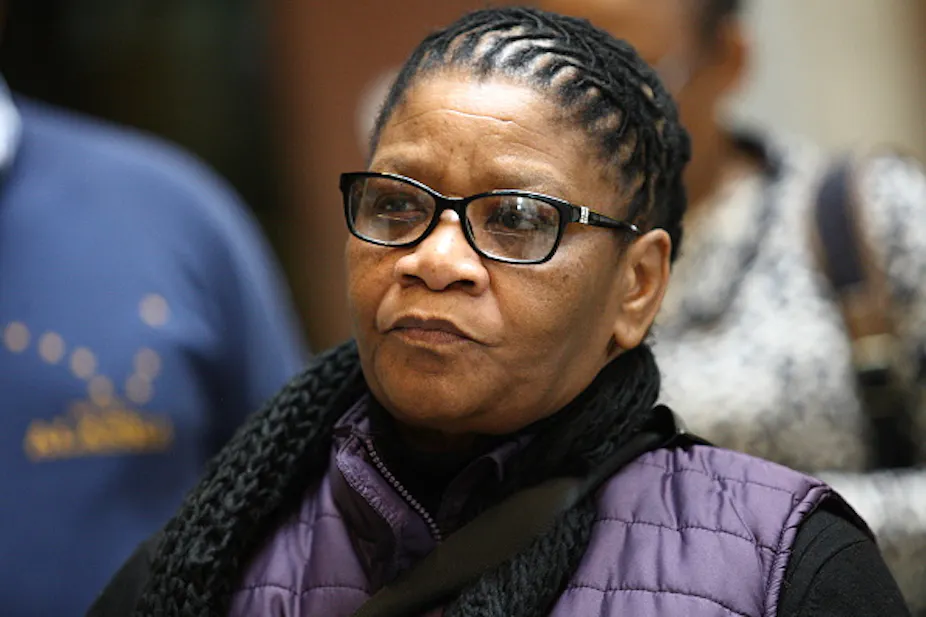
SOUTH Africa’s foreign policy is aimed at contributing to democracy, human rights and justice in the world. Yet its conduct often suits autocrats and despots. This is why defence minister Thandi Modise’s recent attendance at the 10th Moscow Conference on International Security has sparked criticism.
The basic objectives of the conference are to share practical ideas and explore solutions on matters of global security. But Russian president Vladimir Putin’s swipe at the US and the North Atlantic Treaty Organisation in his welcoming address revealed an ideological underpinning. He accused them of “creating aggressive military-political unions” to maintain western hegemony.
Their hegemony means stagnation for the rest of the world and for the entire civilisation; it means obscurantism, cancellation of culture, and neoliberal totalitarianism.
South Africa’s stance towards Russia in recent months has come under severe criticism. Pretoria initially supported calls for Russia to withdraw from Ukraine, only to retract shortly thereafter.
Some critics object to the mere act of South
You’ve reached your free article limit
Subscribe to enjoy unlimited access to trusted journalism. Cancel anytime.
Subscribe nowNeed help? molokom@insidepolitic.co.za






