



Fatima Fall Niang
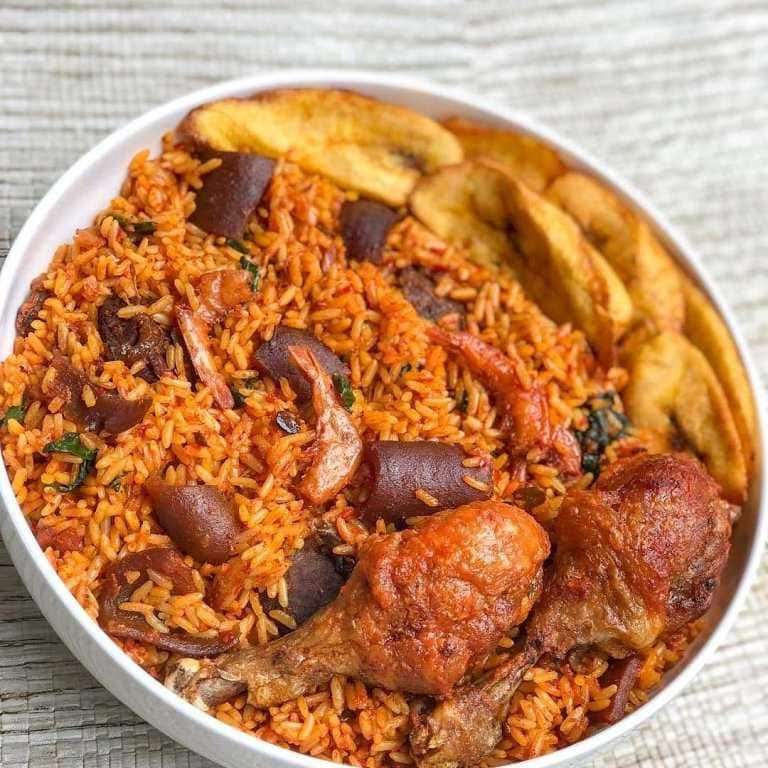
THE authorship – and therefore origins – of Jollof rice (called Ceebu jën in Senegal according to the Wolof spelling) is the subject of a spicy debate between West African nations. In particular, Senegalese, Nigerians and Ghanaians claim ownership. And each believes their recipe surpasses all others.
In a bid to settle the issue we explored the subject in our book. In it we point out the “Senegality” of this dish. The word Jollof refers to an ancient kingdom, constitutive of Senegal between the 12th and the 13th century.
More broadly, we found that the origin of the dish is linked to a particular period in history – the entrenchment of colonial rule in West Africa. Between 1860 and 1940 the French colonisers replaced existing food crops with broken rice imported from Indochina.
In time, broken rice came to be much more prized by the Senegalese than whole rice grain.
This was followed
You’ve reached your free article limit
Subscribe to enjoy unlimited access to trusted journalism. Cancel anytime.
Subscribe nowNeed help? molokom@insidepolitic.co.za






