



By Akani Nkuna
Cooperative Governance and Traditional Affairs (Cogta) Minister Velenkosini Hlabisa on Friday formally proclaimed 4 November 2026 as the date of South Africa’s local government elections, giving legal effect to the election date announced by President Cyril Ramaphosa in April.
The proclamation, published in the Government Gazette on 7 August, is a key legal step in the electoral process and triggers the formal timetable towards the municipal elections.
ALSO READ: Channels cut, names changed in DStv’s latest shake-up
Ramaphosa announced on 30 April that South Africans would go to the polls on 4 November, but the Independent Electoral Commission (IEC) said at the time that the announcement did not constitute the formal proclamation required in law.
Speaking to the SABC in Durban on Friday, Hlabisa said the publication of the proclamation confirmed the election date.
“Indeed, today (Friday), the 7th of August, is the day the Government Gazette for our country will release the proclamation which officially announces 4 November 2026 as the date of the local government elections,” he said.
The proclamation comes after months of preparations by the IEC, government departments and political parties ahead of the municipal vote.
Hlabisa urged South Africans to participate in the elections, saying citizens who were unhappy with the performance of their municipalities should use the opportunity to have their say at the ballot box.
He also expressed confidence in the IEC’s ability to administer the elections and said government’s preparations would intensify as voting day approached.”
ALSO READ: New poll puts DA at 42% in Joburg as ANC crashes to 18%
“In terms of our preparedness, every month I hold the Inter-Ministerial Committee on local government elections and after today these meetings will happen fortnightly [because] we are turning the corner now. I am confident [LGE 2026 will be a success]. And in these meetings we have the IEC, SAPS, Home Affairs and all other departments,” said Hlabisa.
The Inter-Ministerial Committee, chaired by Hlabisa, has been coordinating government preparations for the elections and has received readiness reports from the IEC, police and other state institutions.
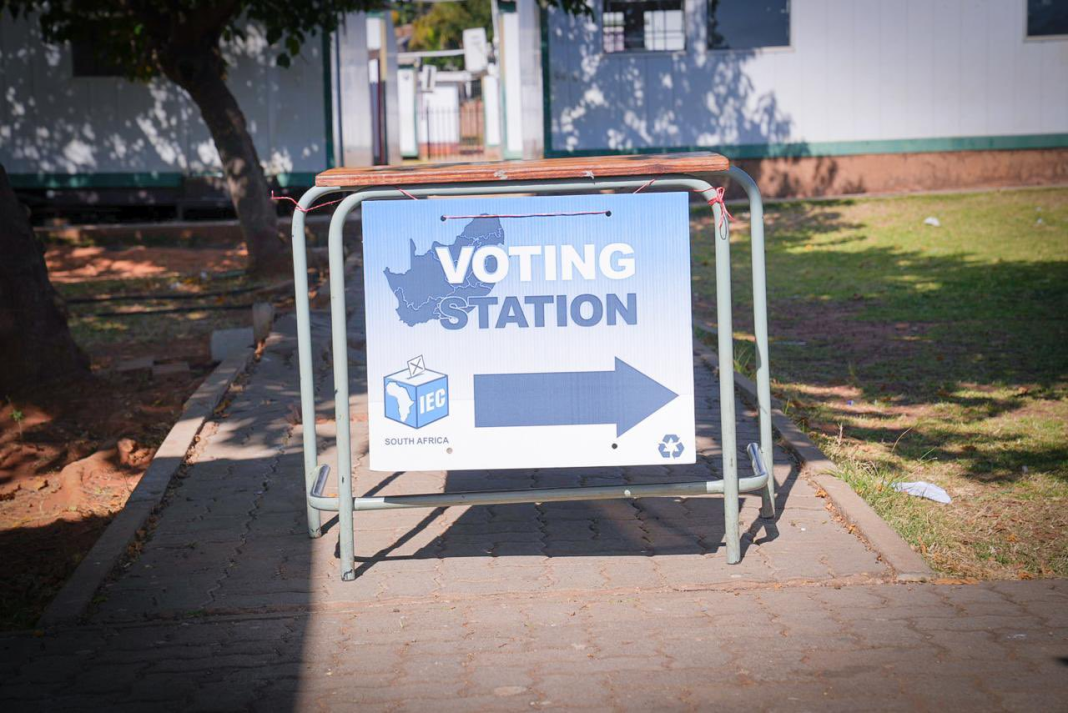
The IEC held its second and final nationwide voter registration weekend on 1 and 2 August, with voting stations opening across the country for eligible voters to register or update their details.
The commission subsequently described the registration weekend as a success, citing its logistical and operational performance.
While in-person registration at voting stations ended on 2 August, eligible voters were still able to register online ahead of the formal proclamation. Online voter registration was due to close at midnight on Friday following the proclamation and the closure of the voters’ roll for the November election.
Once the voters’ roll closes, people who are not registered will not be able to register for, or vote in, the 4 November local government elections.






