

By Akani Nkuna
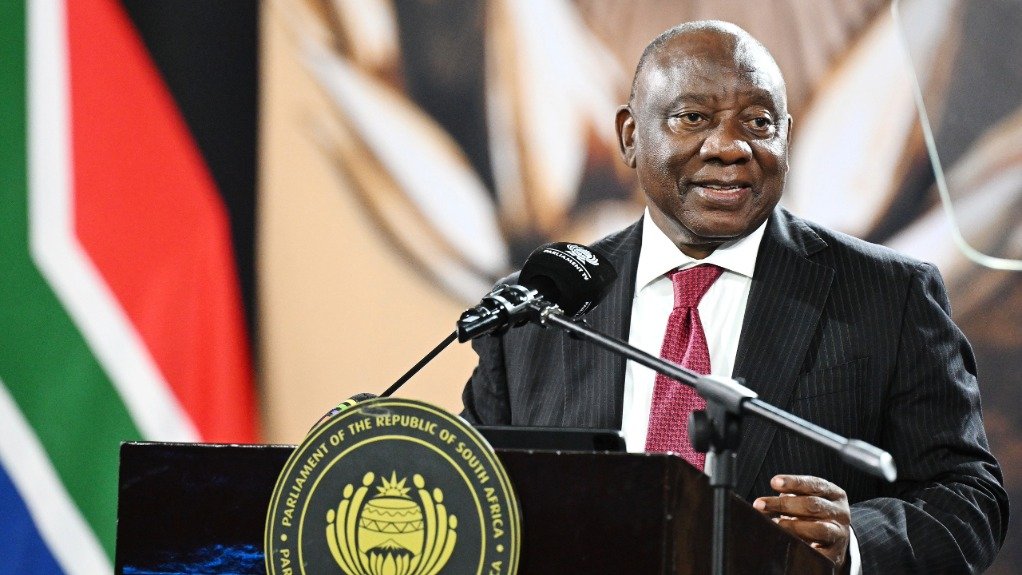
President Cyril Ramaphosa has called for stronger economic cooperation between South Africa and Zimbabwe to address the trade imbalance between the two countries, urging both countries to increase trade volumes, diversify exports and expand production of goods manufactured from their abundant mineral resources.
“There is significant imbalance in trade between our two countries. South African exports are much more to Zimbabwean imports, through instruments like the MoU on Economic Cooperation we need to work together to narrow this deficit,” he said.
ALSO READ: Border Management puts ebola response to the test at Beitbridge
“We must use the opportunities presented by the African Continental Free Trade Area to increase the volume and balance the composition of trade between our two countries. We must also enable both Zimbabwe and SA to expand the production and exports of goods that are manufactured from our abundant mineral resources.”
Ramaphosa was speaking during the second day of the 4th Session of the South Africa-Zimbabwe Bi-National Commission (BNC) Summit in Pretoria on Friday. As the the co-chair of the BNC appealed for the countries to address the prevailing disparities synonymous with their contemporary trade relations.
Ramaphosa expressed ambitions that the summit will improve cooperation across numerous industries, including mining, transport, logistics, and water management between the countries, saying that the growth of both countries’ economies relied increased investment and infrastructure development.
He called for collaboration in building infrastructure projects, including schools, dams, and road to drive economic growth. The president urged the summit to make use of investment opportunities available at Development Bank of Southern Africa and Industrial Development Corporation to undertake projects that will ensure the creation of factories and increase employment opportunities.
“Projects that connect power stations to business and homes are what we need. We need projects that will draw water from our dams and rivers that connects countries to their neighbours,” Ramaphosa said.
Ramaphosa said it was important that the countries continued to on migration and border management through the modernisation of border facilities and systems, adding that such efforts will ease the movement of people and goods.
ALSO READ: Fadiel Adams admits overlooking IDAC red flags to get Criminal Intelligence cases to court
“We must also strengthen our combined efforts to counter trans-border crimes. The development we seek depends on the maintenance of peace and stability in our countries, region and on our continent,” said Ramaphosa.
Meanwhile, Zimbabwe President Emmerson Mnangagwa urged the summit to intensify measures to build stronger and resilient industrial capability to enhance the broader regional agenda while scaling up trade.
“We need to de-risk our economies for future external shocks and over reliance on distant markets and supply chains. The complimentary nature of the socio-economic relations between SA and Zimbabwe are undeniable,” he said.
In 2025, Zimbabwe imported $4.8 billion worth of goods from SA, and continues to lead as a source market for SA tourism whilst SA is Zimbabwe second largest trading partner, according to Mnangagwa, who emphasised the need for continuity for the “win-win relationship.”
ALSO READ: Charges against crime Intelligence head Khumalo withdrawn
Mnangagwa said that there are engagements currently ongoing in the background to seek ways in which economic relationship and interdependency can be improve and harness the potential of both economies to serve their population.
“[Zimbabwe] stands ready to remove tariff and non-tariff barriers on a reciprocal basis towards facilitating increased trade and investment between our two countries. I call for stronger business-to-business linkages,” Mnangagwa said.
The summit concluded with the signing of MoU and agreement to expand investment and trade. There further emerged commitments to improve people-to-people relations, including enabling cultural engagements.
INSIDE POLITICS