



By Thapelo Molefe
South Africa’s research and science system has lost about R2.5 billion following the withdrawal of US funding, leaving thousands of research jobs and student opportunities at risk and exposing the country’s dependence on foreign donors.
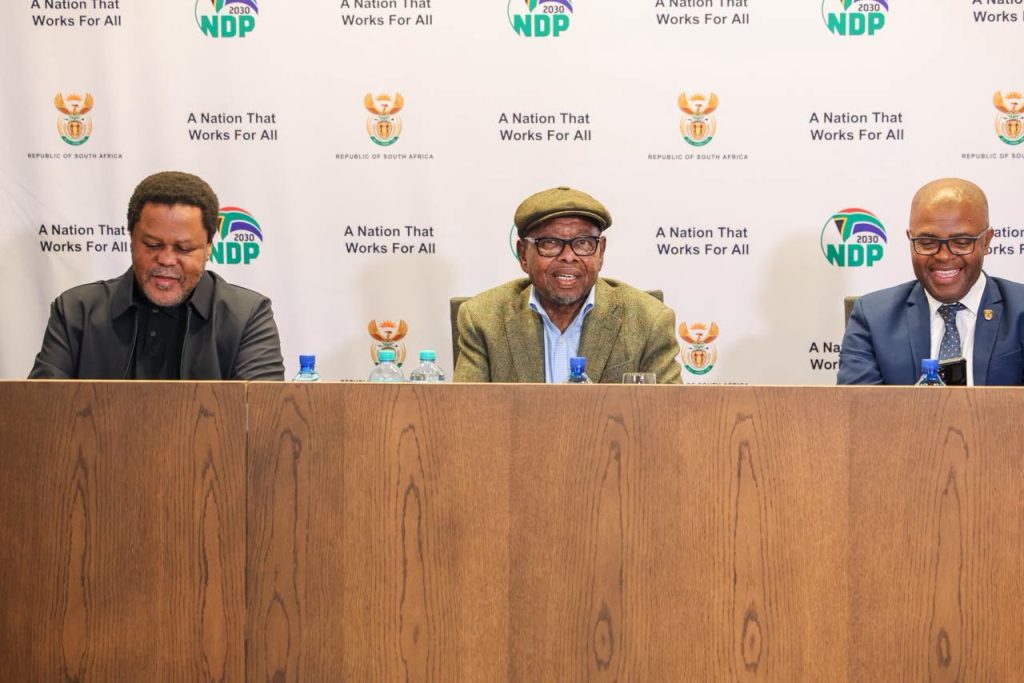
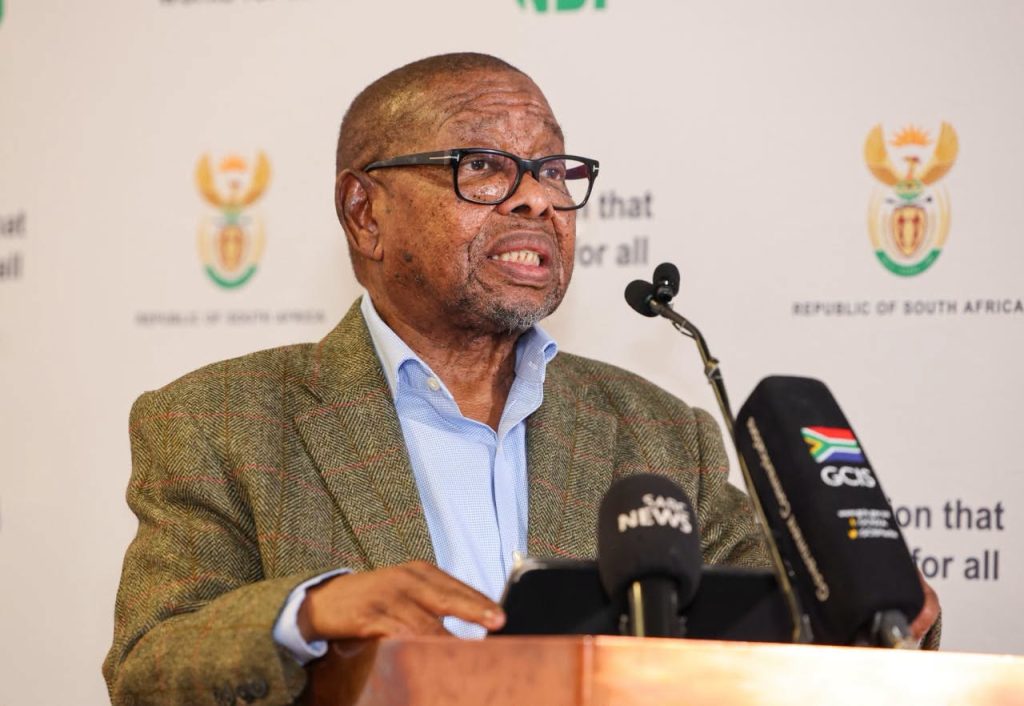
Science, Technology and Innovation Minister Blade Nzimande revealed the figure on Tuesday as he released the Ministerial Working Group on STI Funding report for public comment.
ALSO READ: Sibanyoni admits to funding taxi killers’ legal bill, but claims due to family respect
“The total amount of impact, money-wise, is R2.5 billion. That’s what our research and science system suffered with that withdrawal,” Nzimande said.
He said the funding cuts affected major research institutions and universities, including the University of Cape Town, Wits University, Stellenbosch University, the University of Pretoria, the South African Medical Research Council (SAMRC) and the Centre for the AIDS Programme of Research in South Africa (CAPRISA).
The SAMRC estimated that about R1.6 billion in National Institutes of Health (NIH) funding cuts placed 1,930 research posts and 108 student degrees at risk.
One of the affected projects was an HIV vaccine trial under the SAMRC Brilliant Consortium, which lost a newly awarded five-year grant worth $45 million.
Nzimande said the NIH had since indicated that some funding was likely to be reinstated after determining that the affected programmes did not qualify as foreign aid.
ALSO READ: Ramaphosa to address nation on GBVF and Ekurhuleni murders
But the minister said the disruption had highlighted a deeper problem in South Africa’s science system: too much reliance on external funding for critical research.
According to the report, 17.3% of South Africa’s research and development funding comes from foreign donors, with the dependence even higher in health research.
“We must make sure that our core priorities are not dependent on foreign funding,” Nzimande said.
The working group has therefore recommended that South Africa establish predictable domestic funding for strategic research programmes and protect critical health, genomics, biotechnology and public-health platforms.
It also wants public and private investment in research and development increased towards the national target of 1.5% of gross domestic product.
South Africa currently spends about 0.62% of GDP on research and development.
Nzimande said foreign funding would remain important, but South Africa needed to diversify its international partnerships instead of relying heavily on a small group of countries.
“We can’t avoid foreign funding entirely, but we have to diversify,” he said.
He pointed to growing scientific cooperation with China and said South Africa could also benefit from scientists leaving the United States amid changes to its research funding environment.
Nzimande said the country should have the resources to attract some of these scientists and use their expertise to strengthen local research capacity.
The report also calls for stronger coordination between government, universities, science councils, industry and provinces.
International research agreements should provide fair arrangements on data, intellectual property, technology transfer, local manufacturing and skills development, according to the minister.
Nzimande said South Africa also needed to stop the leakage of intellectual property developed on the continent.
“We’ve got to have very strong agreements that help to sustain our own system,” he said.
Department of Science, Technology and Innovation director-general Mlungisi Cele said the working group had considered the funding cuts as part of a broader assessment of how South Africa finances research and development.
He said the department was engaging National Treasury and reviewing existing incentives, including tax incentives and innovation funds, to help move the country towards the 1.5% target.
“We need to conduct an entire review of those instruments or incentives in order to then be able to put a strong case as to how do we move towards realising that 1.5%,” Cele said.
He said private-sector investment remained a major weakness, with South African companies investing significantly less in research and development than their international counterparts.
ALSO READ: Sibiya: Sex with 18-year-old was consensual, 16-year-old had a crush on me
The department is developing a private-sector engagement strategy to encourage businesses to increase their investment.
The ministerial working group was established by Nzimande in May 2025 and submitted its report in August that year. Cabinet considered the report in July 2026 and approved its core recommendations.
The report is now open for public comment until 31 December. The department will analyse submissions before developing an Implementation Framework for consideration by the Inter-Ministerial Committee on Science, Technology and Innovation.
Implementation has also been elevated to the Presidency, with President Cyril Ramaphosa expected to appoint a Science, Technology and Innovation Sovereign Risk Advisory Council.
Nzimande said the government was already taking steps to strengthen scientific self-reliance, particularly in vaccine production.
“For the first time, we are producing a certain group of vaccines in South Africa from scratch,” he said.
He said South Africa was developing vaccines, including an oral cholera vaccine, and supporting the African Union’s target of producing 60% of the vaccines and other health products required on the continent by 2040.
Nzimande said the US funding withdrawal should serve as a warning about the risks of external dependence.
“It goes beyond just reflecting on the US withdrawal of funds. It is focusing actually on the vulnerabilities as well as strengths of our science, technology and innovation system,” he said.






