


By Charmaine Ndlela
Minister for Public Service and Administration Inkosi Mzamo Buthelezi has called for a skilled, professional and accountable public service to strengthen state capacity and drive inclusive economic growth across Africa.
Delivering the keynote address at the 2026 Economic Governance School, hosted by the National School of Government (NSG) in Irene, Centurion, on Monday, Buthelezi said capable public institutions were essential to turning economic policies into meaningful development outcomes.
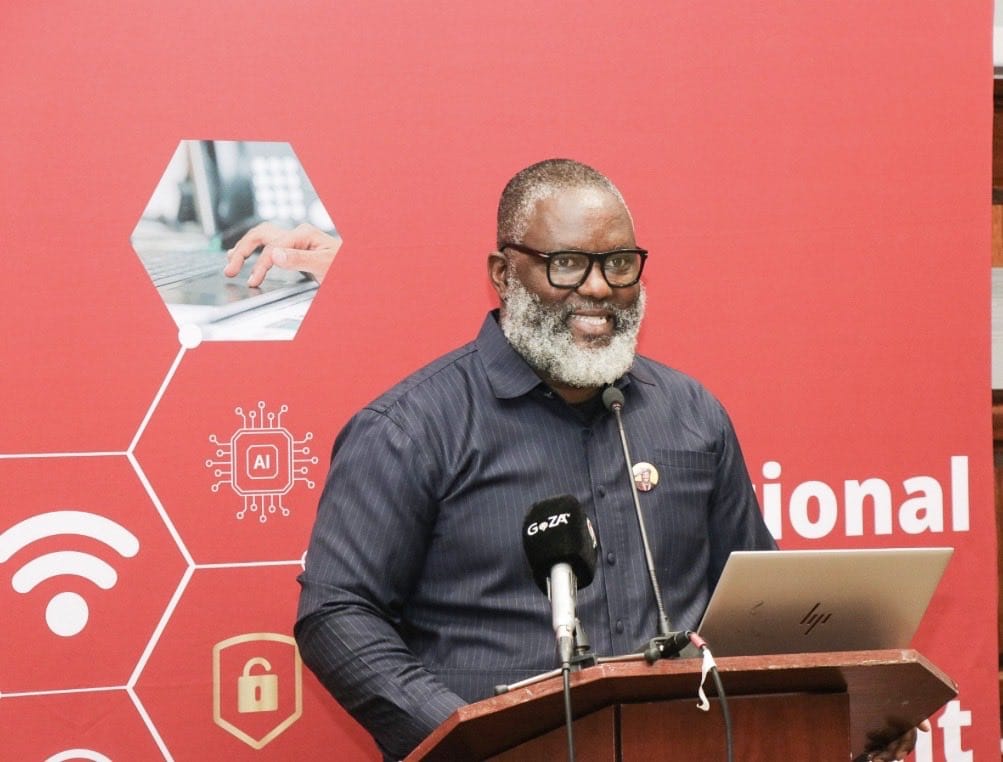
“As the minister responsible for Public Service and Administration, I wish to emphasise that building a capable state is not an administrative objective separate from economic development. It is one of its most fundamental prerequisites,” he said.
He said infrastructure investment depended on competent project preparation, procurement, contract management and oversight, while industrial development required coordinated government interventions, predictable regulation and an enabling environment for investment.
He called for greater investment in public servants’ skills, stronger accountability and improved organisational performance.
“Where there are skills shortages, we must address them. Where coordination is fragmented, we must improve it. Where public resources are poorly managed, we must strengthen oversight and consequence management,” he said.
“Where implementation is slow, we must examine the institutional and administrative barriers that prevent decisions from becoming results.”
Buthelezi said the effectiveness of government depended on the quality of its institutions rather than the size of its workforce.
“A capable state is not defined by the size of its bureaucracy, but by the quality of its institutions, the competence of its people and its ability to deliver on its constitutional and developmental responsibilities,” he said.
The five-day programme, held under the theme “Strengthening Adaptive State Capability for Inclusive Growth in an Era of Global Disruptions”, brings together 60 delegates from Nigeria, Zimbabwe, Uganda, Malawi, Mozambique and Burundi.
Buthelezi said African countries faced an increasingly uncertain global environment shaped by geopolitical tensions, changing international trade relations, technological advances and climate change.
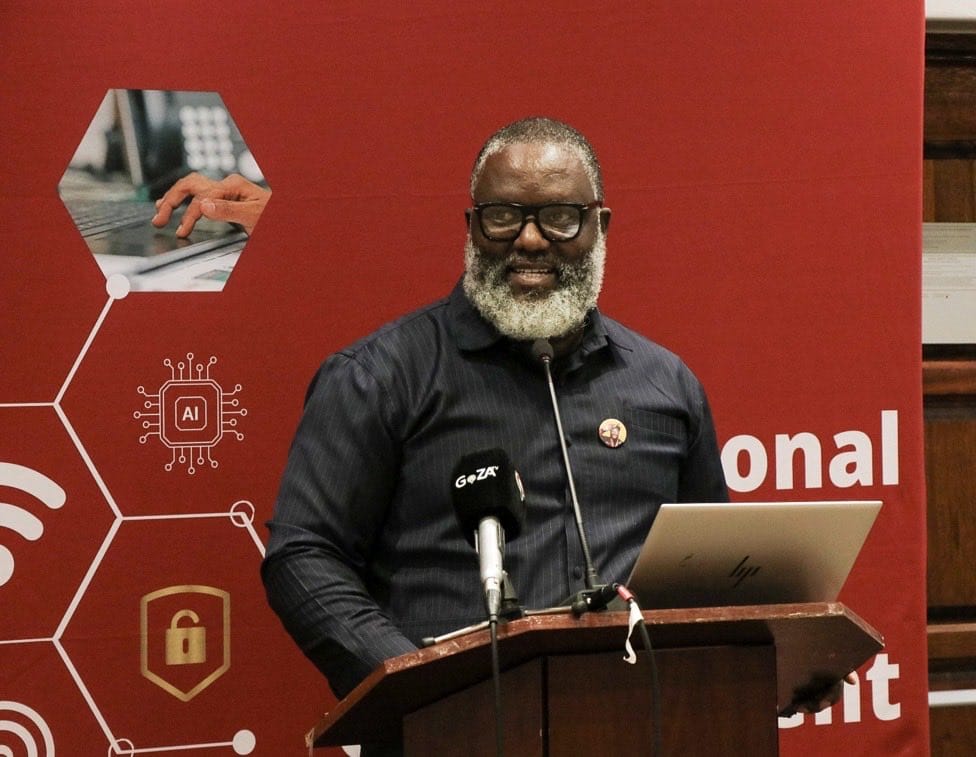
These developments, he said, affected the cost of living, public finances, investment, employment and governments’ ability to deliver essential services.
“For African countries, these disruptions present both considerable risks and significant opportunities,” he said.
Turning to South Africa’s priorities, Buthelezi said the government’s programme of action focused on inclusive economic growth and job creation, poverty reduction, easing the cost of living and building a capable, ethical and developmental state.
He identified infrastructure constraints, logistical inefficiencies, weaknesses in municipal administration, pressure on public finances and uneven institutional performance as major obstacles.
Buthelezi said government needed to move beyond measuring progress through policy announcements, reform commitments and budget allocations.
“We must increasingly measure progress through implementation, institutional performance and the actual outcomes experienced by our people,” he said.
“Our citizens do not experience government through policy documents. They experience it through the availability of water, reliable electricity, functioning roads, accessible healthcare, quality education, employment opportunities and the responsiveness of public institutions,” he said.
Buthelezi also highlighted the role of digital transformation and AI in improving public-sector productivity, strengthening data-driven decision-making and reducing administrative inefficiencies.
However, he cautioned that adopting new technologies required appropriate governance, ethical safeguards, cybersecurity, digital inclusion and investment in human capabilities.
“The question is no longer whether government should embrace technological change. The question is whether our institutions are sufficiently prepared to harness it in a manner that advances public value and inclusive development,” he said.
He also called for stronger coordination across national, provincial and local government, alongside partnerships with the private sector, labour, academia and civil society to address complex developmental challenges.
On regional economic cooperation, Buthelezi said African countries needed to work together to address shared vulnerabilities and take advantage of emerging opportunities.
“Our economies are interconnected, our vulnerabilities increasingly shared, and our opportunities considerably greater when pursued through regional cooperation,” he said.
He identified the African Continental Free Trade Area (AfCFTA) as an important framework for expanding intra-African trade, strengthening regional value chains and creating a more integrated continental market.
However, he said countries needed to invest in infrastructure, industrialisation, skills development, technology, energy security and research to benefit fully from the agreement.
Buthelezi said Africa needed to move beyond its historical position as a supplier of raw materials and a consumer of manufactured goods from other parts of the world.
“We must increasingly position ourselves as producers, manufacturers, innovators and active participants in global value chains,” he said.






