



By Johnathan Paoli
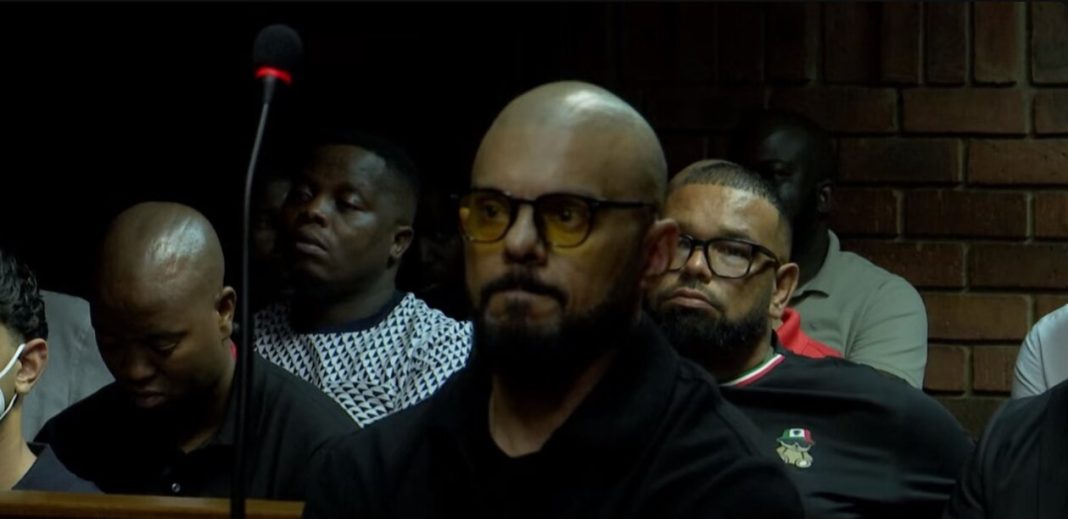
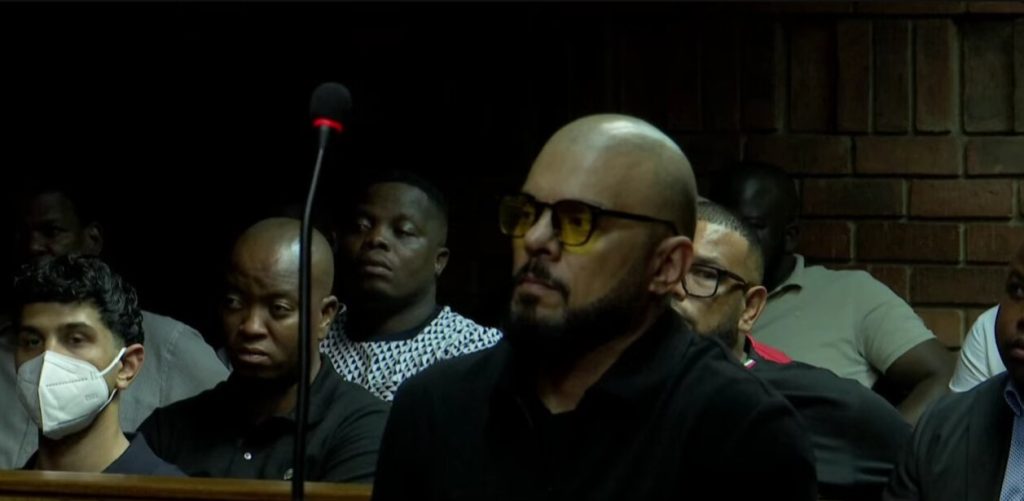
North West businessman Suliman Carrim will remain in custody until 28 October after the Pretoria Magistrate’s Court postponed its bail ruling on Monday, with the state arguing that he could evade trial if released.
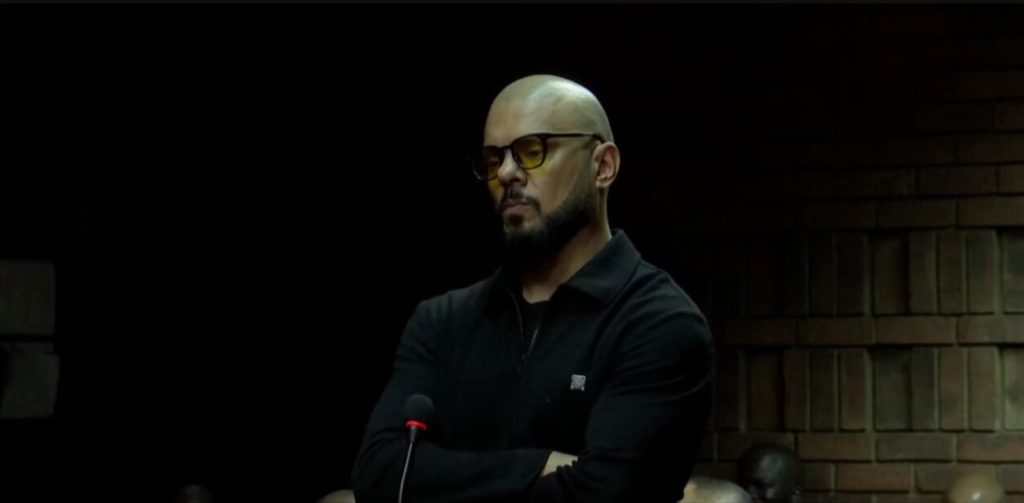
Prosecutor Donald Shiko maintained the state’s opposition to bail despite investigators verifying Carrim’s residential address and the authenticity of his return flight ticket.
Carrim, who was arrested at OR Tambo International Airport on Thursday, 15 October, faces a charge under Section 6(1) of the Commissions Act of 1947 for allegedly failing to comply with the Madlanga Commission’s requirements to attend and complete his testimony.
ALSO READ: ‘I am not here to avenge or revenge’, says Masemola on return to SAPS
He told the Pretoria Magistrate’s Court on Friday that he was travelling to Saudi Arabia via Dubai for a religious pilgrimage, before continuing to Pakistan to undertake charitable work.
Police previously confirmed that Carrim’s passport had been flagged by a cold-case investigation team examining allegations of fraud and corruption involving the Ngaka Modiri Molema District Municipality in the North West.
The alert led to his arrest in connection with his alleged failure to comply with the commission.
According to the state, Carrim had previously been instructed to inform police when travelling outside the country but failed to do so.
Shiko said that possessing a return ticket did not guarantee Carrim would return to South Africa.
“The return ticket is only used if the person boarding on the plane has the intention to board the plane and does not serve as a guarantee that the person will be on the flight,” he submitted.
He also raised concerns about possible disruptions to flights caused by conflict in the Middle East, and said that extradition from the United Arab Emirates could prove difficult because the alleged offence might not satisfy the requirement of dual criminality.
ALSO READ: Sugar growers call on Treasury to scrap levy ahead of mid-term budget
“Should the applicant become successful in flying out of the country and decide not to fly back to South Africa, the South African state could not have been in a position to extradite the applicant back into South Africa,” Shiko said.
Shiko further questioned Carrim’s credibility, arguing that he had given different versions about his knowledge of the commission’s hearing dates and his medical condition.
He also raised concerns that Carrim had indicated his attendance at future proceedings would depend on whether his health improved.
The prosecutor argued that these circumstances demonstrated a risk of Carrim evading trial or committing another Schedule 1 offence, and asked the court to refuse bail.
However, Carrim’s newly appointed counsel, advocate Dawie Joubert, argued that the state had failed to provide sufficient evidence to justify his continued incarceration.
Joubert appeared after Carrim terminated the services of his previous legal team, including advocate Hendrik Potgieter.
He said verification of Carrim’s address and return ticket had resolved two of the issues previously raised by the investigating officer.
Joubert also dismissed Carrim’s arrest at the airport and the amount of luggage he was carrying as insufficient grounds to refuse bail. He said the businessman had explained that much of the luggage contained sweets and snacks intended for distribution during his annual pilgrimage.
Challenging the state’s assertion that Carrim might commit another Schedule 1 offence, Joubert argued that prosecutors had failed to establish what offence he was likely to commit.
“The mere lip service that the state and or the investigating officer put forward that there’s a possibility that certain things may happen in a bail application is not sufficient,” he said.
Joubert maintained that Carrim had substantial assets, family responsibilities and a longstanding business, with no previous convictions or outstanding criminal cases.
He argued that allegations concerning Carrim’s failure to attend the commission should be addressed through the appropriate criminal proceedings rather than determining his bail application.
Joubert proposed bail of up to R50,000, subject to conditions including surrendering Carrim’s passport, reporting weekly to a police station and informing the investigating officer of movements outside the North West province.
The matter was postponed to next week, with the court saying it needed to examine the state’s contention that Carrim had tailored his evidence during cross-examination.






