
- Advertisement -spot_img

Credit rating upgrade sparks praise as Treasury hails first ratings boost in 16 years

- Advertisement -spot_img

Must read

By Thebe Mabanga and Johnathan Paoli

South Africa has secured its first sovereign credit rating upgrade from a major agency in more than a decade and a half, with S&P Global Ratings lifting the country’s long-term foreign currency rating to BB from BB- and its local currency rating to BB+ from BB.

The outlook remains positive, signalling that further upgrades could be on the horizon if economic and fiscal improvements hold.

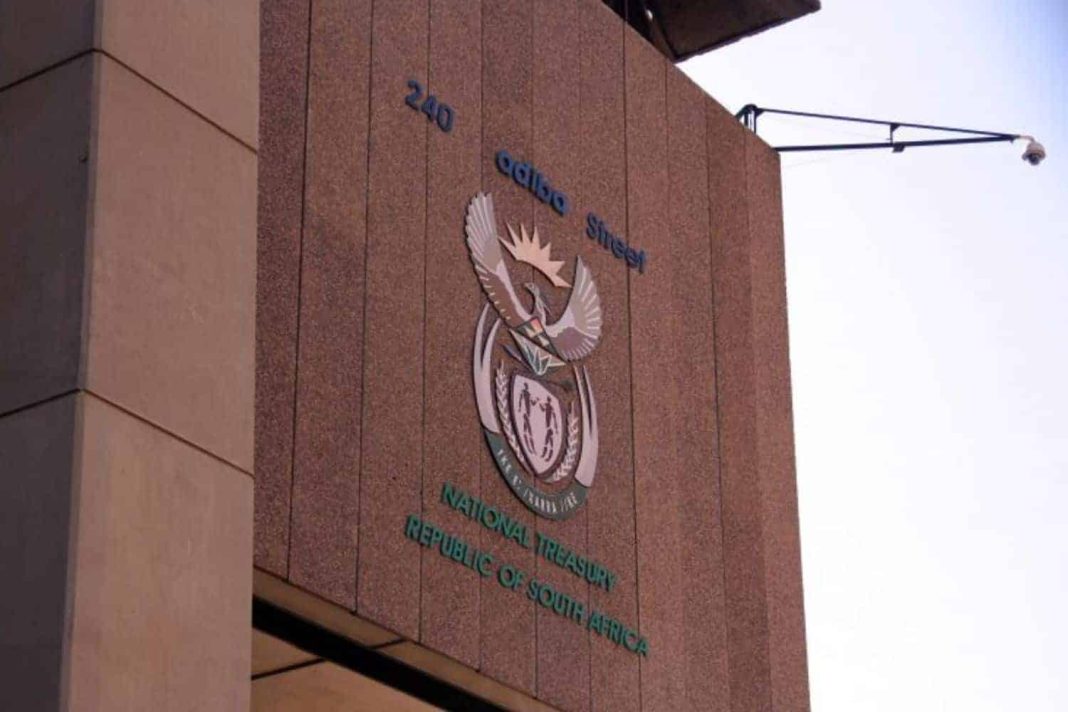
The National Treasury welcomed the decision, describing it as a milestone that reflects a meaningful improvement in the country’s growth prospects, public finances, and the reduction of risks posed by state-owned entities, particularly Eskom.

“Government is improving the health of the public finances and accelerating infrastructure investments. Over the medium term, this will strengthen growth prospects, reduce borrowing costs, improve confidence, and foster faster job creation,” the treasury said in a statement.

The upgrade places South Africa among only three countries worldwide to receive a ratings boost from S&P in 2025 while maintaining a positive outlook.

In its announcement, S&P cited South Africa’s improving growth and fiscal trajectory, as well as declining contingent liabilities, as Eskom undergoes a multiyear restructuring.

The agency noted that the utility’s operational performance and debt management reforms were beginning to ease pressure on the state, which has absorbed more than R250 billion of Eskom’s debt in recent years.

A central factor in S&P’s decision is the government’s projection that it remains on track to record a third consecutive primary budget surplus in the 2025/26 financial year.

This measure, namely revenue minus expenditure excluding interest payments, is viewed by ratings agencies as a key indicator of fiscal discipline.

The treasury also reported that general government revenue is expected to outperform the 2025/26 budget, despite a downward revision of GDP growth forecasts.

Higher-than-anticipated VAT and corporate income tax receipts, supported by stronger tax buoyancy, have played a crucial role in shoring up revenue.

In its statement, the treasury emphasised that the 2025 Medium Term Budget Policy Statement (MTBPS) reinforces the state’s focus on stabilising debt, narrowing the deficit, and maintaining macroeconomic stability, even against a backdrop of modest economic growth.

It added that long-term growth hinges on sustained structural reforms, building a capable state, and expanding public-sector infrastructure investment.

The Democratic Alliance (DA) welcomed the upgrade as evidence that South Africa is “turning the fiscal corner” under the Government of National Unity (GNU).

DA deputy finance spokesperson Wendy Alexander described the announcement as a clear signal that fiscal credibility had improved since the party became involved in budget processes.

“This is a clear signal that since the DA has been involved in managing the budget, we’re turning the fiscal corner after almost two decades of ANC damage,” Alexander said.

She added that the positive outlook shows markets expect the DA to continue advocating for debt restraint and growth-oriented reforms.

Alexander warned, however, that the country remains two notches below investment grade and urged government partners to maintain momentum on structural reforms, especially in logistics and energy, to avoid delays caused by bureaucracy or regulatory bottlenecks.

“An investment-grade rating could, over tim,e reduce the cost of servicing our debt, which currently takes up almost 22 cents of every rand we collect. The breathing room will allow us to spend more on infrastructure, which in turn will support higher levels of economic growth,” she said.

Alexander stressed that the DA would continue using its position within the GNU to push for responsible spending, improved procurement systems, and reforms that strengthen the foundations for long-term growth.

The treasury emphasised that sustaining the upward trajectory will require consistent reform implementation, improved state capacity, and robust governance, particularly at entities like Eskom and Transnet, whose performance significantly influences sovereign risk.

Raymond Parsons, an economist from the North West University Business School, described the upgrade as “widely expected” and noted that it is a reward for several “positive developments” in the South African economy.

These would include economic reforms in the energy and logistics sectors, which have now been extended to local government.

“The S&P decision has now opened the way for SA to eventually extricate itself from its current junk status, but there remains a long way to go. To regain full global investment status still requires that SA’s economic steersman-ship stays firmly on track over the next few years,” he said.

Parsons notes that weaker growth would jeopardise the planned fiscal trajectory while implementation of growth-friendly policies with tangible outcomes remains key.

The ratings upgrade is expected to have a modest immediate impact on borrowing costs, but officials say the positive outlook strengthens investor sentiment and provides support for medium-term fiscal planning.

INSIDE POLITICS

More articles

LEAVE A REPLY

Please enter your comment!
Please enter your name here

Inside Education E-Edition

spot_img

CATHSSETTA

spot_img

AVBOB STEP 12

spot_img

Inside Metros G20 COJ Edition

spot_img

JOZI MY JOZI

spot_img

QCTO

spot_img

Latest article



