
- Advertisement -

DA leadership vote closes, results imminent at Federal Congress

- Advertisement -

Must read

By Johnathan Paoli

The race for the Democratic Alliance’s new leadership entered its final phase on Sunday, with voting concluded on day two of the party’s Federal Congress.

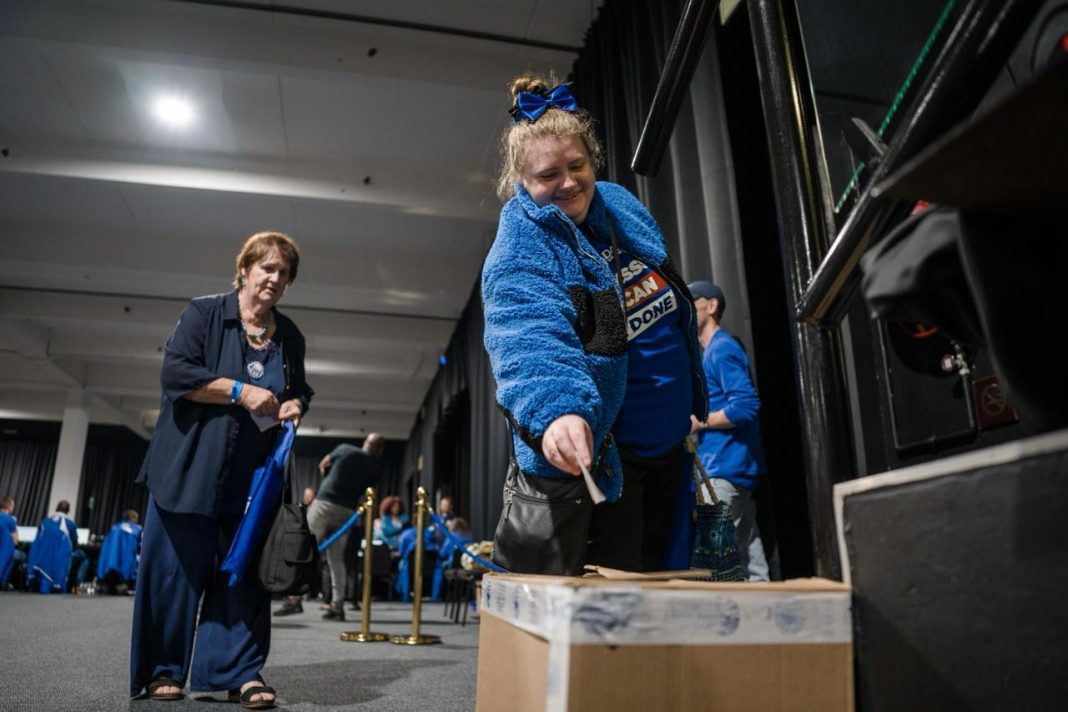
After months of campaigning, internal debate and lobbying across provincial structures, roughly 2,000 delegates cast their ballots to determine the party’s direction ahead of the next local government elections.

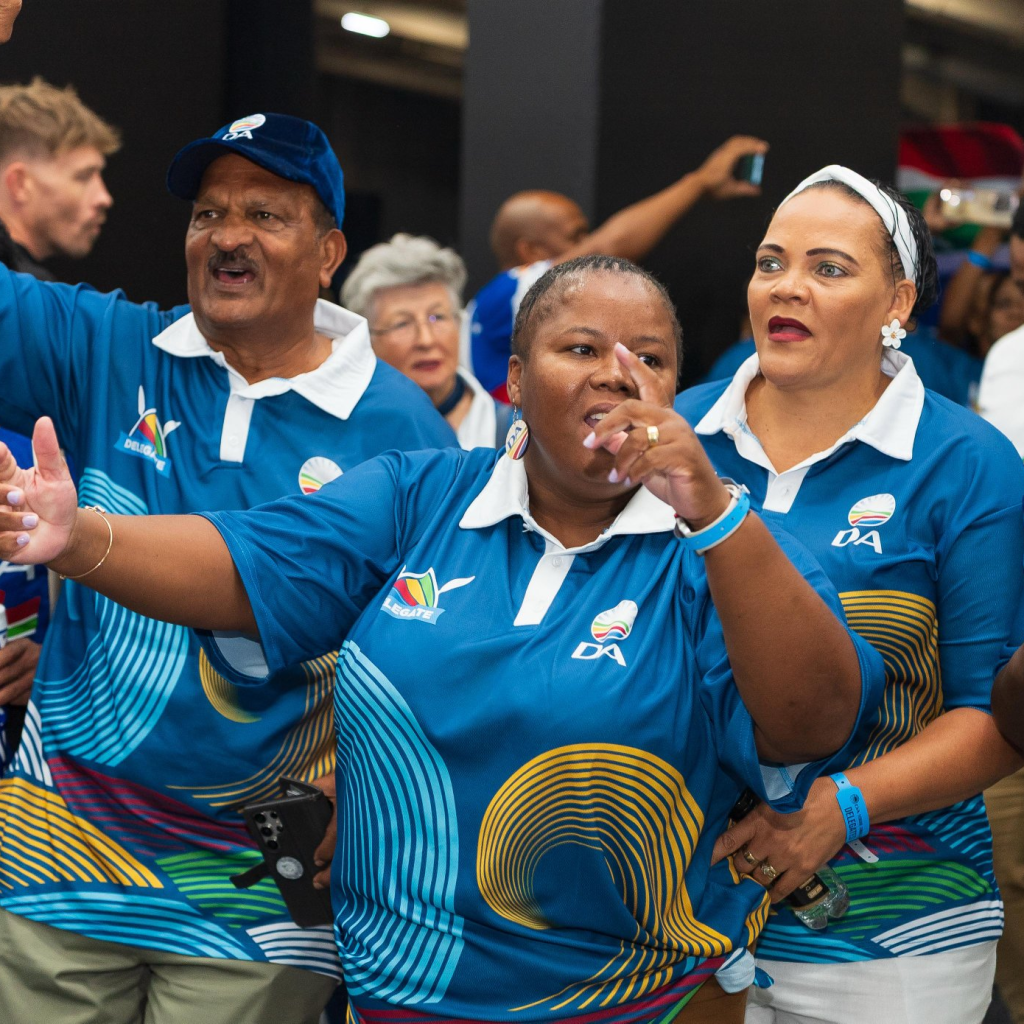
The atmosphere at the Gallagher Convention Centre shifted markedly from Saturday’s speeches and displays of unity, with tension and anticipation dominating proceedings as candidates and their supporters made final pushes before voting.
Geordin Hill-Lewis is widely seen as the frontrunner to succeed outgoing leader John Steenhuisen, facing a challenge from Sibusiso Dyonase.

Among early arrivals were Solly Malatsi, contesting for federal deputy chairperson, and Solly Msimanga, locked in a closely watched race for federal chairperson against incumbent Ivan Meyer.

Presiding officer Werner Horn said the voting process was expected to run smoothly, outlining a streamlined, tech-driven system designed to handle large numbers.

“We expect everything to run smoothly. Delegates are to attend the registration point and then proceed directly to the voting hall, where they will be issued with a unique code,” Horn said.

“We use an online system. There are 200 computers and 150 additional private booths where delegates can vote using their own smart devices with that code,” he added.

Horn said 2,185 delegates were registered on the voters’ roll, with turnout expected to approach full participation.

He also described this year’s contest as one of the calmest in recent years, with minimal complaints between candidates.

“This has been one of the calmest contests. We received very few complaints — only two, and neither was properly substantiated,” he said.

Rather than ideological divisions, Horn said the campaign had focused on leadership capability.

“There was no clear ideological divide. There is broad agreement on what the party needs to do going forward. It is more about personality and ability than a debate about direction,” he said.

Provincial blocs are expected to play a decisive role. KwaZulu-Natal, the Eastern Cape and Mpumalanga are believed to favour Meyer, while parts of Gauteng and the Cape Metro have backed Msimanga.

The federal chairperson race has emerged as a symbolic contest between different centres of power within the party, including allies of Steenhuisen and those aligned with Western Cape leadership.

Despite this, Horn said the party remained unified in its broader mission.

“The debates focused on how to get South Africa to work, which is also the theme of our Congress,” he said.

With voting concluded, attention now turns to the results, which will determine the leadership team tasked with guiding the party into a critical electoral cycle.

Sunday’s outcome is expected to shape both the party’s internal hierarchy and its strategy to contest municipalities nationwide.

INSIDE POLITICS

More articles

LEAVE A REPLY

Please enter your comment!
Please enter your name here

AVBOB STEP 12

Inside Education Quarterly Print Edition

Inside Metros G20 COJ Edition

JOZI MY JOZI

QCTO

Latest article



