



By Levy Masiteng
South Africa has secured €300 million, about R5.6 billion, in concessional financing from Germany and France to help turn around struggling electricity, water and sanitation, and waste services across the country’s eight metros.
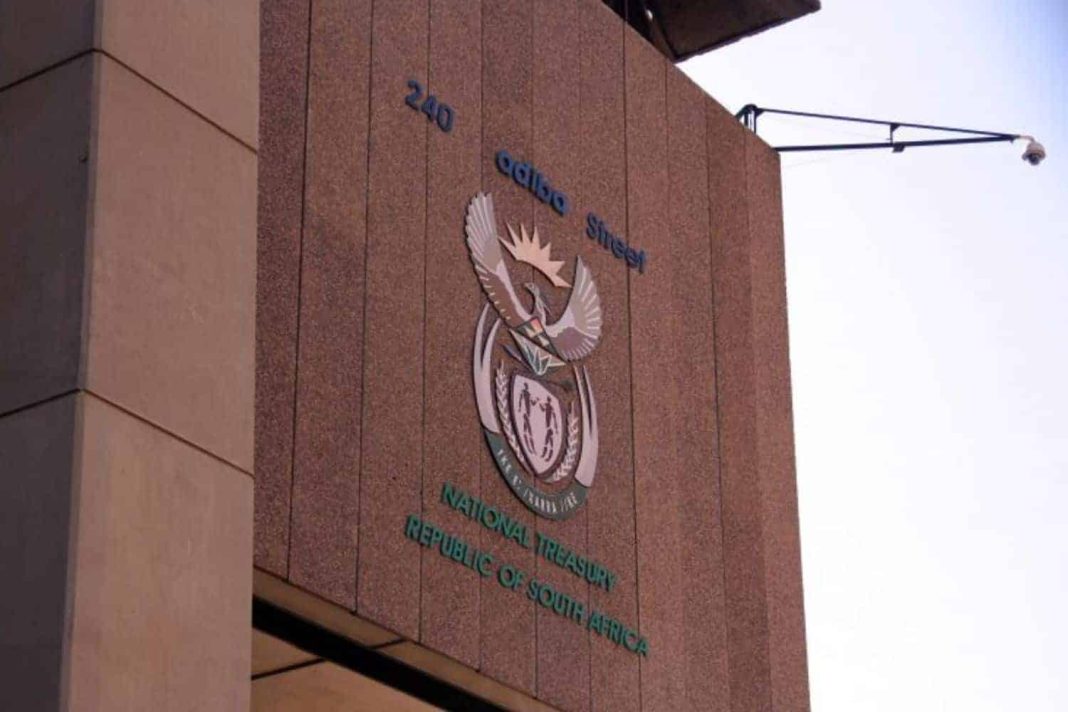
National Treasury made the announcement on Wednesday, saying the financing from Germany’s KfW Development Bank (€200 million) and €100 million from France’s Agence Française de Développement (AFD) would support the government’s Metro Trading Services Reform (MTSR) Programme.
ALSO READ: Feroz Khan dismissed from SAPS
“The reform seeks to improve the financial and operational performance of those trading services and will ensure that revenues generated are reinvested into much-needed infrastructure to reduce outages and investment backlogs,” Treasury said.
The programme covers Buffalo City, Cape Town, Ekurhuleni, Johannesburg, Tshwane, eThekwini, Mangaung and Nelson Mandela Bay.
Collectively, the metros serve more than 22 million residents and account for about 85% of South Africa’s economic activity, according to the World Bank.
“The €300 million in concessional financing from KfW Development Bank and Agence Française de Développement strengthens the Government’s broader programme of support to improve the governance, financial sustainability and operational performance of essential trading services in metropolitan municipalities,” Finance Minister Enoch Godongwana said.
“We welcome the continued partnership of Germany and France in supporting more reliable services, increased infrastructure investment and stronger, more sustainable cities.”
The European financing adds to international funding supporting the same government-led reform programme, including a US$925 million World Bank loan approved in November 2025 and signed by South Africa in April 2026.
The World Bank programme is a six-year, results-based operation under which metros unlock national grant funding by meeting specified performance targets.
Under the programme, the eight metros do not receive loans directly from the World Bank. Instead, the SA government uses the World Bank financing to fund the Metro Trading Services Grant, a performance-based fiscal grant to municipalities.
ALSO READ: Ramaphosa’s lawyer says Phala Phala panel failed to establish prima facie case
Funding is released based on results achieved, with World Bank disbursements tied to independently verified improvements in areas including institutional reform, revenue collection, asset management and service delivery.
The latest German and French loans also fall under the two countries’ Just Energy Transition mandate and will contribute to the municipal component of South Africa’s Just Energy Transition Investment Plan.
KfW Country Director for South Africa Cornelia Tittmann said the reforms were important to improving service delivery and living conditions for millions of South Africans.
She said that “as a key partner on the continent South Africa’s success matters deeply to Europe and this commitment is reflected in continued cooperation across trade, investment, and development initiatives such as the MTSR”.
AFD Regional Director for Southern Africa Marie-Hélène Loison said the programme brought the metros and national government departments together around a shared reform agenda.
“The MTSR programme will contribute to ensuring that the necessary investments in essential urban services are protected and sustained over time and will bring tangible improvements in service delivery for residents and businesses,” Loison said.
The funding builds on AFD’s longstanding municipal partnership with South Africa, which includes direct loans to Johannesburg, eThekwini and Cape Town.
A €100 million AFD loan to Cape Town dating from 2023 supports the city’s sustainable development programme, with the financing prioritising water, sanitation and drainage, urban mobility and electricity infrastructure.
France has also committed €1 billion to South Africa’s wider Just Energy Transition, with the contribution being implemented through AFD.
Germany has provided a further €350 million in concessional loans to Johannesburg and Cape Town over the past two years to fund grid infrastructure upgrades and renewable-energy integration, according to National Treasury.
The MTSR is intended to tackle persistent financial, operational and governance problems that have contributed to declining service reliability and underinvestment in municipal infrastructure.
Treasury said improving the performance of essential municipal services was also necessary to unlock further public and private investment needed to address infrastructure backlogs and modernise electricity distribution networks.






