

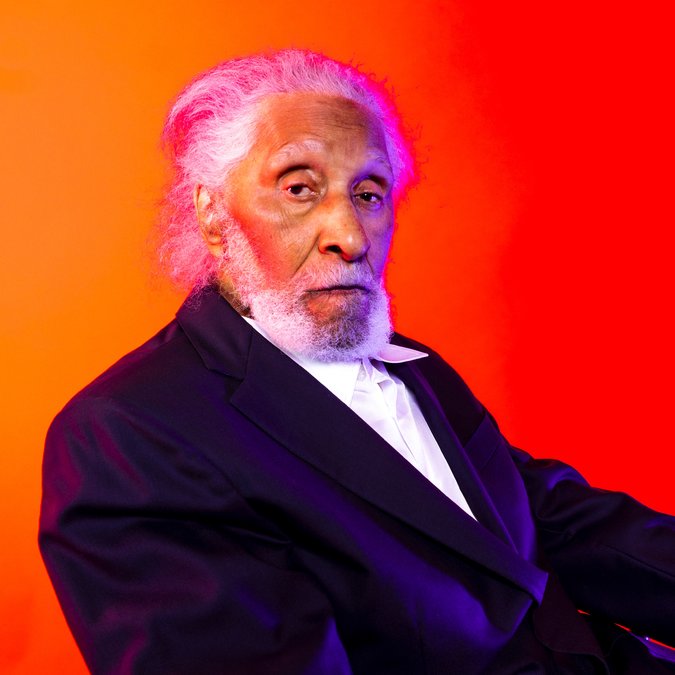


THE GAINS and revolutions, both political and musical, of the past sixty years can be measured in many ways, but few methods are more insightful than tracing the path of Sonny Rollins, a tenor saxophonist whose life is a portrait, which is to say a reimagining, of American freedom.
When Rollins was twenty-seven, in 1958, he released “Freedom Suite,” one of the first recordings in postwar jazz to acutely protest racial injustice and demand civil rights.
The liner notes, written by Rollins, are no less resonant today: “America is deeply rooted in Negro culture: its colloquialisms; its humor; its music. How ironic that the Negro, who more than any other people can claim America’s culture as his own, is being persecuted and repressed, that the Negro, who has exemplified the humanities in his very existence, is being rewarded with inhumanity.”
For Rollins, who is eighty-nine, the pandemic, the protests, and
You’ve reached your free article limit
Subscribe to enjoy unlimited access to trusted journalism. Cancel anytime.
Subscribe nowNeed help? molokom@insidepolitic.co.za






