



Sarah Venter
Baobabs aren’t supposed to fall. They can live for up to 2,500 years. Famous for their resilience, these huge trees have stood tall across Africa, weathering droughts and winds that flatten everything else.
A small population of 102 baobabs is also found in Oman on the south-eastern tip of the Arabian Peninsula, where baobabs were introduced over 1,500 years ago by traders from Africa.
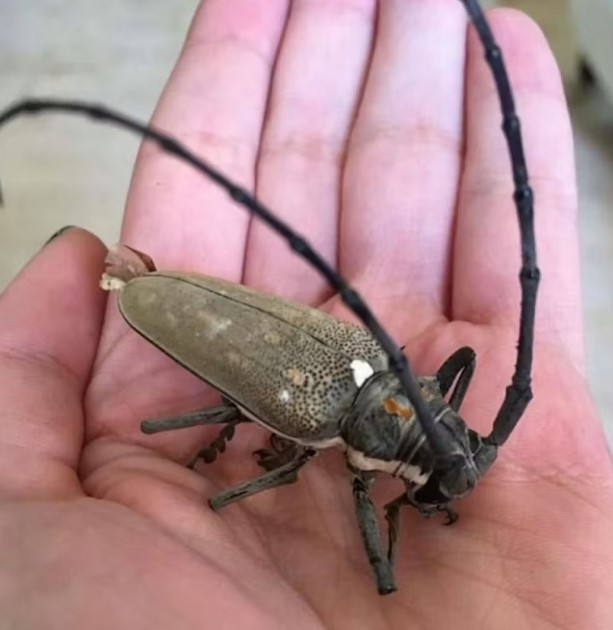
However, several baobabs have recently collapsed and died in Oman, not from disease, drought or old age, but from infestation by a beetle that has suddenly proven deadly to baobab trees – the mango stem-borer (Batocera rufomaculata).
I’m a baobab ecologist who worked with two environmental scientists from Oman, Ali Salem Musallm Akaak and Mohammed Mubarak Suhail Akaak, to investigate how many trees had been infected by the beetle, how the infestation had affected the trees and how many had
You’ve reached your free article limit
Subscribe to enjoy unlimited access to trusted journalism. Cancel anytime.
Subscribe nowNeed help? molokom@insidepolitic.co.za






