

By Akani Nkuna
International Relations and Cooperation Minister Ronald Lamola has described the 2001 Durban Conference as a major milestone in confronting historical injustice, saying the declaration that emerged from it established norms for addressing racism and its enduring effects.
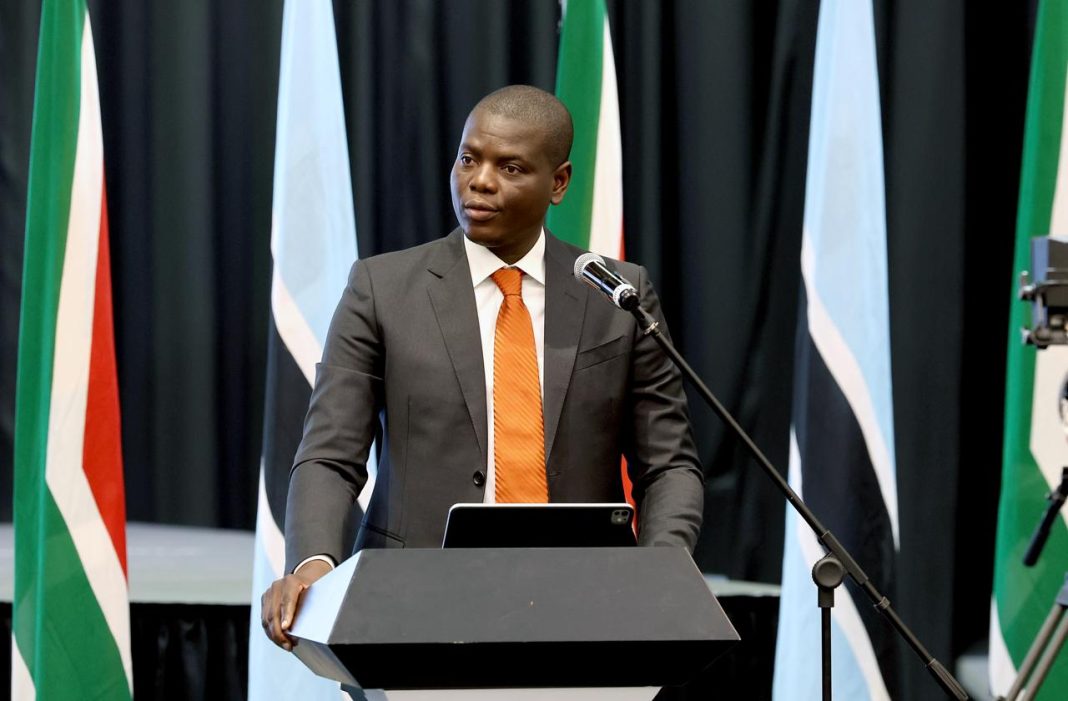
He was speaking at the United Nations General Assembly in New York on Monday during a high-level meeting commemorating the 25th anniversary of the adoption of the Durban Declaration and Programme of Action (DDPA).
ALSO READ: DA raises concern over R830m cost of renovating SA diplomatic properties
Lamola said the DDPA marked a pivotal moment in the international community’s commitment to building a world based on equality, dignity and justice.
“It also recognised that racism and related intolerance would not be defeated through state action alone. Laws to combat discrimination and policies to uplift those on the receiving end of discrimination are critical. But civil society, communities and ordinary people have a vital role in changing reality,” Lamola said.
‘A major success’
“Durban was a major success. It set the norms and gave the world a programme to address one of the historical and perennial scourges facing the world.
“This Declaration and Programme of Action was adopted in a challenging global context. The conference was marked by fierce debate, courage and a willingness to confront uncomfortable truths about the past and its stubborn effects. Twenty-five years later, the global environment is no less challenging.”
The UN World Conference Against Racism, Racial Discrimination, Xenophobia and Related Intolerance was held in Durban from 31 August to 8 September, 2001, seven years after South Africa’s first democratic election.
It brought together delegates from 168 countries and tackled racism, xenophobia and racial discrimination, as well as the continuing effects of slavery and colonialism.
The Durban Declaration described slavery and the slave trade as appalling tragedies and recognised them as crimes against humanity. It also acknowledged that colonialism had contributed to racism, racial discrimination and enduring social and economic inequalities.
The DDPA called for national action plans against racism, stronger anti-discrimination laws, education, improved remedies for victims and broader adherence to the International Convention on the Elimination of All Forms of Racial Discrimination.
Redress backlash
Lamola said that measures aimed at redress and combating racism were facing a backlash and said racism against Africans and people of African descent remained embedded in institutions and systems.
“Measures aimed at redress and anti-racism are facing a backlash and are sometimes portrayed as discriminatory in themselves,” Lamola said.
“Contemporary racism against Africans and people of African descent is still embedded in the institutions, systems and practices that govern human affairs.
ALSO READ: Gana opposes EFF challenge to rescission of Madonsela evidence leader recommendation
“This is why we must strengthen our collective efforts.”
He called on states to address historical injustices through measures including apologies, truth-telling processes, reparations and the return of cultural artefacts to their countries of origin.
The United States has, however, continued to oppose the Durban process.
US Ambassador to the UN for Management and Reform Jeff Bartos said in a video posted by the US Mission to the UN on 2 September that the original conference had been an “utter failure”.
“Worse, it platformed and promoted antisemitism, anti-capitalism, anti-Westernism and anti-Americanism. The UN continues to poison its brand by commemorating Durban,” he said.
Bartos also criticised some of the activity surrounding the 2001 conference, including material and slogans he said appeared at anti-racism gatherings and street protests.
“Durban’s radicals weren’t only obsessed with Israel. They also demanded reparations from the United States and other Western countries for slavery and colonialism. They conveniently and lazily reduced history to oppressors versus victims, treated Western prosperity as evidence of exploitation, and attempted to permanently indict America and the West,” Bartos said.
He said participants at one of the gatherings displayed copies of the antisemitic Protocols of the Elders of Zion and referred to antisemitic slogans displayed by protesters in Durban.
‘Woke ideological vocabulary’
Bartos also said that ideas he associated with the Durban conference later became part of “woke ideological vocabulary” in the United States and other Western countries.
ALSO READ: Sibanyoni and Sindane used violence for extortion, says Chaskalson
“As we now know, what happened in Durban did not stay in Durban, and perhaps that was the point all along. Much of the woke ideological vocabulary that erupted across America and the West in 2020 was rehearsed there,” he said.
The United States boycotted the 25th anniversary commemoration and has urged other countries to reject the Durban process’s legacy.