



By Johnathan Paoli
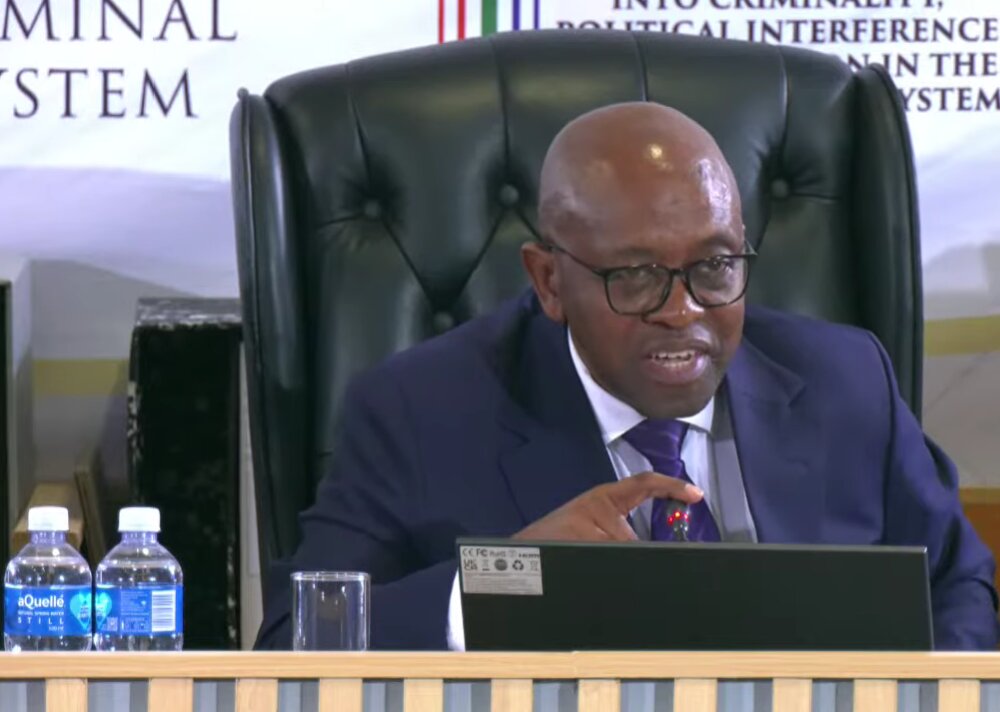
The Madlanga Commission has directed its evidence leaders to seek permission from the National Intelligence Co-ordinating Committee (Nicoc) to use conditionally declassified intelligence documents in public hearings before deciding whether to hear acting coordinator Dr Ntandazo Sifolo’s testimony behind closed doors.
In a ruling on Thursday, the commission ordered the evidence leaders to approach Sifolo to establish whether Nicoc would permit documents that had been conditionally declassified for the inquiry to be used publicly, and whether any could not be disclosed and why.
“The Evidence Leaders are directed to approach Dr Sifolo, by no later than end of business on Friday, 23 October 2026, in accordance with paragraph 15 of his letter to the Commission dated 31 August 2026, for Nicoc to grant the Commission permission to use and refer to, in its public hearings, the documents in respect of which Nicoc has given qualified declassification,” the ruling stated.
ALSO READ: Even Joburg’s own finance committee is worried about the city’s deepening financial crisis
The evidence leaders must advise the commission chairperson of Sifolo’s written response by Wednesday, 28 October, after which further directions will be issued.
The ruling follows a contested application by the evidence leaders to have Sifolo’s testimony heard in-camera, which was opposed by media houses amaBhungane, Media24 and Daily Maverick on the grounds that blanket secrecy would undermine public accountability.
The dispute centres on intelligence documents concerning the infiltration of the criminal justice system by organised crime syndicates, and whether their classification justified excluding the media and public from Sifolo’s testimony.
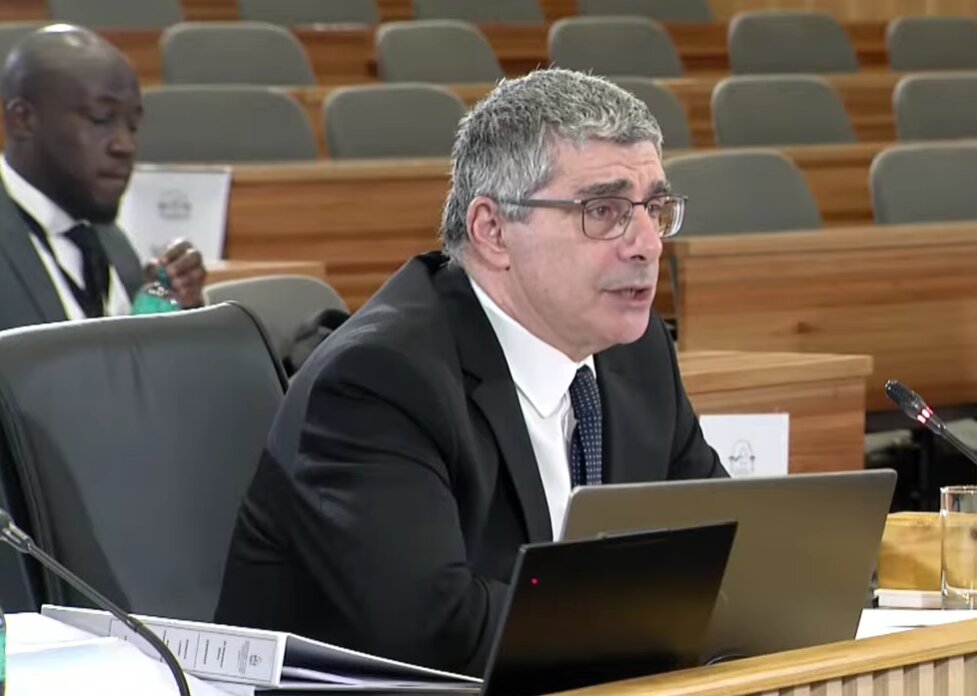
Chief evidence leader Matthew Chaskalson argued on Wednesday that the commission lacked the authority to override the conditions under which the documents had been declassified.
“The commission is not a high court. It has no power to set aside a decision to classify information or to override a decision on the terms on which classified information is declassified,” Chaskalson said.
The documents include four National Intelligence Estimates issued between 2022 and 2025, 11 Nicoc intelligence briefs and a special report issued between January and July 2025, as well as additional minutes and reports of Nicoc meetings.
Chaskalson said that the documents had been declassified for the commission’s limited use, but not for public dissemination, and that allowing Sifolo to testify publicly without discussing their contents would prevent commissioners from properly interrogating the intelligence evidence.
The evidence leaders outlined three options: approach the High Court to challenge the restrictions; hear Sifolo publicly without questioning him about the documents; or conduct the questioning in camera while preserving a complete record that the media could subsequently seek access to through the courts.
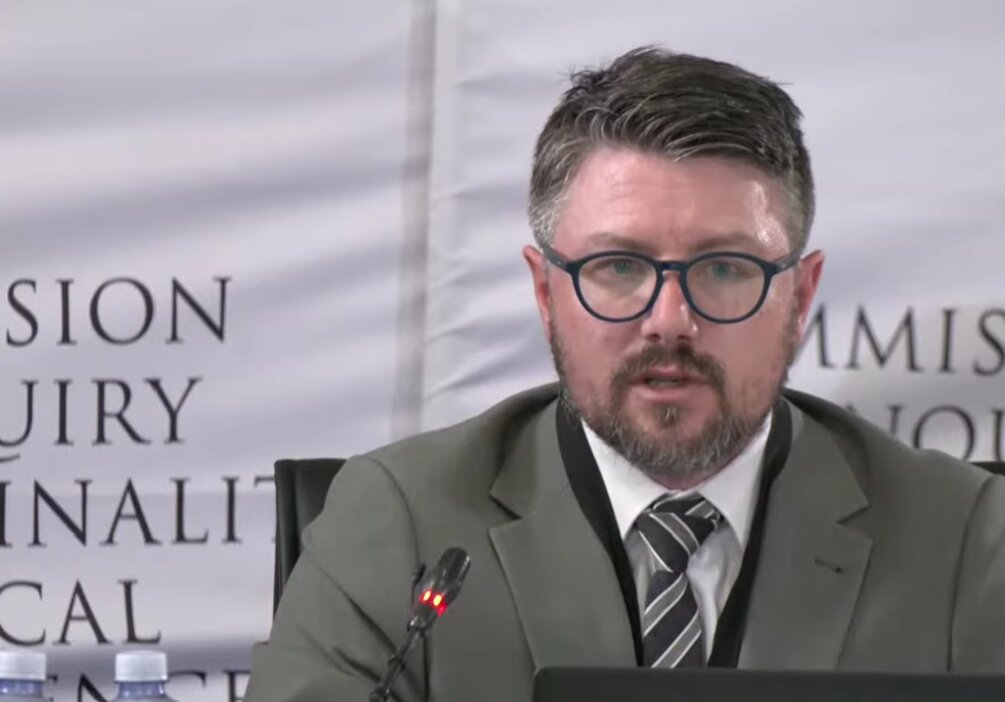
Chaskalson favoured the third option, arguing that court proceedings could disrupt the commission’s timetable and divert resources from its investigation.
ALSO READ: Tshwane faces second water contamination incident as sewage enters Pretoria supply
But advocate Ben Winks, representing the media respondents, argued that the evidence leaders had not justified closing the entire hearing.
He maintained that the classification of documents did not automatically determine whether the public could access them, and that the commission should not simply defer to intelligence authorities without examining the reasons for restricting disclosure.
Winks relied on the Constitutional Court’s 2008 judgment in Independent Newspapers v Minister for Intelligence Services, arguing that classified documents were not automatically beyond scrutiny when public access was at issue.
He proposed that Sifolo should testify publicly, with only those portions that would disclose specifically identified sensitive information heard in camera, while names, operational details and other genuinely sensitive information could be redacted or replaced with code names.
In the written submissions, Winks argued that questions about Nicoc’s mandate, reporting structures and whether intelligence warnings about organised crime were acted upon did not necessarily require the disclosure of classified material.
During the hearing, commission chair Mbuyiseli Madlanga questioned whether allowing the media to seek access to a record retrospectively would adequately protect open justice, given that the hearing itself would already have taken place in private.
Chaskalson acknowledged that an in-camera hearing would limit open justice, but maintained that the High Court could subsequently determine what information should be made public.
The commission is expected to resume public hearings on 9 November.






