
PHUTI MOSOMANE
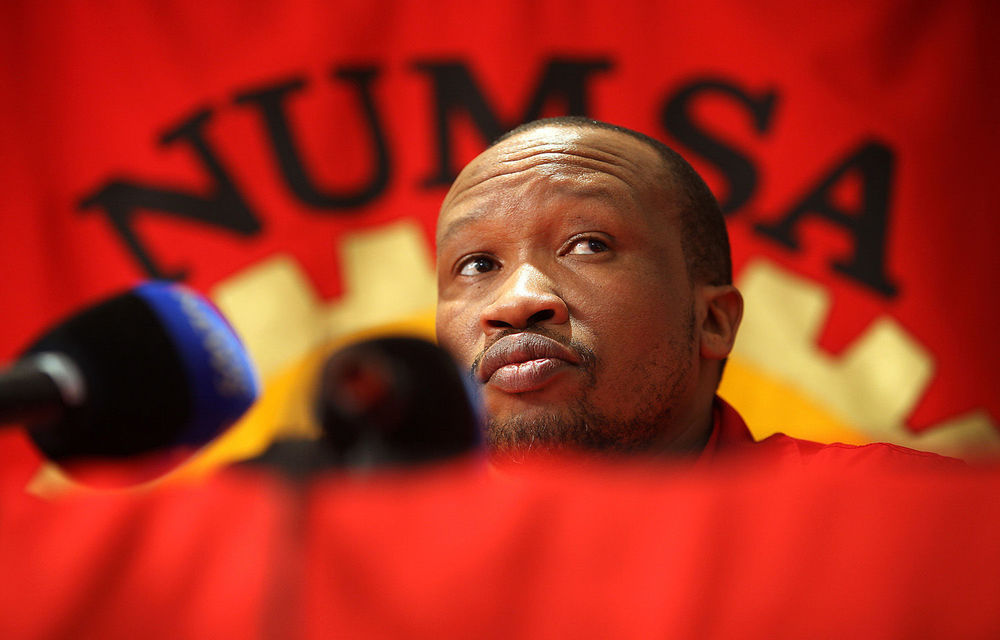
THE General Secretary of the National Union of Metalworkers of South Africa, Irvin Jim, has announced that the union is making preparations for a national strike in the bus passenger sector, and it is highly probable that the strike will commence before the Easter long weekend.
“The national bus strike looms unless employers put a meaningful offer on the table,” he said.
According to the union, the South African Bus Employers Association (SABEA) and the Commuters Bus Employers Organisation (COBEA), who represent the employers, are responsible for provoking the strike.
“We have been trying to negotiate with employers since January through the South African Road Passenger Bargaining Council SARPBAC, and we declared a dispute in February, but employers are stubbornly refusing to give workers a meaningful increase,” Jim added.
The union says what triggered the strike is the employer “refusing to negotiate health insurance benefits.”
The union has stated that the employer’s refusal to negotiate health insurance benefits has triggered the strike.
Workers in the sector do not have medical aid or medical insurance.
Jim confirmed that the union has obtained a strike certificate and warned that if the employers do not return to the negotiating table, the union will have no other option but to proceed with a full-blown strike, which is likely to affect the upcoming Easter weekend.
The official proposal on the table is the mediators proposalw, hich is broken down as follows:
• Two year agreement from 1 April 2023 to 31 March 2025
• 7% increase for year one and year two on the minimum wage
• All employees will receive 7% increase on all allowances for two years
• On the demand for health insurance, or (primary healthcare as it is referred to in the proposed agreement), the employers want that issue to be dealt with at company or plant level, and not to negotiate it at the National Bargaining Forum (NBF).
NUMSA, being the majority union in the bus passenger sector, is not prepared to endorse the proposal.
Both employers made an offer directly to employees of 6% increase for 3 years.
The proposal is conditional upon workers dropping the demand for medical insurance.
Employers did not table it at the NBF which is the formally recognized structure for negotiations. This is because, the unions say, they do not respect centralized bargaining and they have undermined the NBF at every turn.
Jim said medical insurance is a life and death matter for workers, the majority of whom, cannot afford medical aid on their salaries.
The lowest paid worker in the bus sector is earning on average about R7800 per month, medical aid would be “unaffordable”.
He said while the union understands that many commuters will be inconvenienced by the strike: “We urge them to direct their frustrations to COBEA and SABEA who have shown that they do not care at all about how this will inconvenience the public.”
He urged commuters to make alternative plans for the long weekend, because the strike is likely to disrupt services.
“We have proposed an urgent meeting with employers, preferably within the next 48 hours. The ball is in their court if they wish to avert a disaster,” Jim warned.
INSIDE POLITICS



