- Advertisement -spot_img

OPINION| The youth of 1976 did not die for empty speeches

- Advertisement -spot_img

Must read

Simon Nare

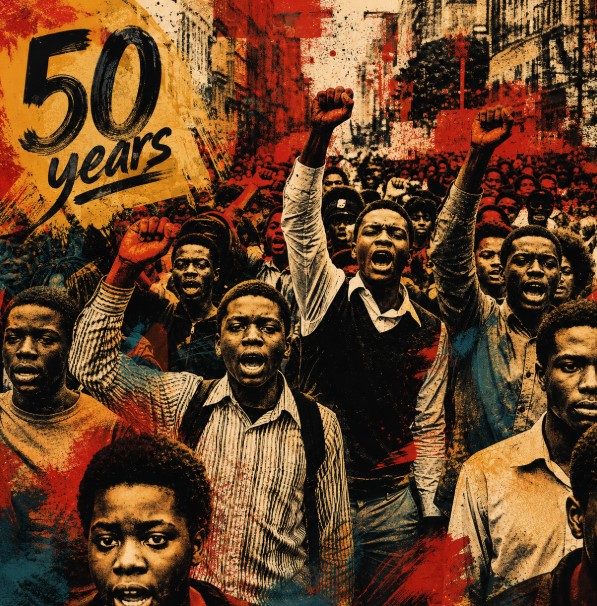
You have to revisit the footage of Wednesday, June 16, 1976, to understand the determination and resolve of the students of that generation, and to grasp how willing they were to die for their country.

They stood toe to toe with the brutal forces of the apartheid regime.

I was still knee-high to a grasshopper, far away in a Limpopo village, when those girls in dangari and boys, armed with stones and sticks, faced police officers who were shooting at them with live ammunition. Some ducked as bullets flew, only to rise again and hurl stones back at the armed police.

The area now known as the Hector Pieterson Precinct, preserved in memory of the 1976 uprising, became a lopsided war zone. Heavily armed police squared up against schoolchildren, and the result was bloodshed.

Today, as the country commemorates 50 years since that bloody encounter, we still have the iconic image of a wounded Pieterson, who was 12 at the time, being carried by fellow student Mbuyisa Makhubo as he rushed him to help after he was shot.

I first heard and properly grasped the stories of the uprising in my teenage years. Political activists in our village would speak about the brutality being unleashed by the apartheid regime on black people.

I came close to meeting my maker once at the hands of apartheid police. My friends and I were playing in a public park in Polokwane when we were told to leave for no reason other than being black. I tried to play tough guy, and I was quickly thrown into the back of a police van.

They drove me into a nearby graveyard. I was trembling violently inside the van as they drove around. After a while, they stopped and let me go. As they drove off, I noticed there were workers in the park and counted my lucky stars.

That was just one small example of what apartheid forces were capable of. To think that those schoolchildren faced them with sticks and stones still sends shivers down my spine. The courage they summoned to face live ammunition and lay down their lives for this country was not only heroic. It was selfless.

It is that selflessness that is missing today from the generation of leaders who came after them.

Wherever they are, in the nooks and crannies of heaven or anywhere else, the youth of 1976 must be looking down with a deep sense of betrayal at how the country has lost its way.

Their sacrifice should also force us to confront what is happening to the youth of today. Too many young people have taken a back seat in politics and surrendered their fate to senior leaders. In doing so, they risk being reduced to what so many have called them: a lost generation.

The youth of 1976 must be turning in their graves when they see the kind of country that has been built in their name, and the way today’s leadership has abandoned young people. June 16 should never become a monument to betrayal.

As we mark Youth Day on Tuesday, it is difficult to say what, exactly, the country is celebrating.

There is little tangible evidence of projects meant for young people, run by young people, that have been meaningful or have made a real difference in their lives. The unemployment figures remain depressing, despite repeated promises and the launch of numerous programmes supposedly designed to empower them.

There will be speeches again. There will be more promises, added to the long list of unfulfilled ones, about how young people are the future leaders and how government will create yet another project to empower them. Some will attend these events, listen, clap along with everybody else and chalk it up as a free music concert.

Youth Day has become a day when politicians tell young people to draw inspiration from June 16, while giving them no real tools to shape their own future. They scream “youth empowerment” while looting the very resources meant to empower the youth.

It must be frustrating for the young people of this country, particularly on this day, to read about the millions and billions stolen by those in power, or those close to power, while they send out one curriculum vitae after another and wait in hope for a call that may never come.

That is the betrayal at the heart of this Youth Day.

The students of 1976 did not face bullets so that future generations could be pacified with slogans, concerts and empty speeches. They fought for freedom, dignity and opportunity. Fifty years later, too many young South Africans are still waiting for all three.

INSIDE POLITICS

More articles

LEAVE A REPLY

Please enter your comment!
Please enter your name here

Inside Education E-edition June 2026

spot_img

Services Seta 2026

spot_img

CATHSSETTA

spot_img

AVBOB STEP 12

spot_img

Inside Metros G20 COJ Edition

spot_img

JOZI MY JOZI

spot_img

QCTO

spot_img

Latest article