

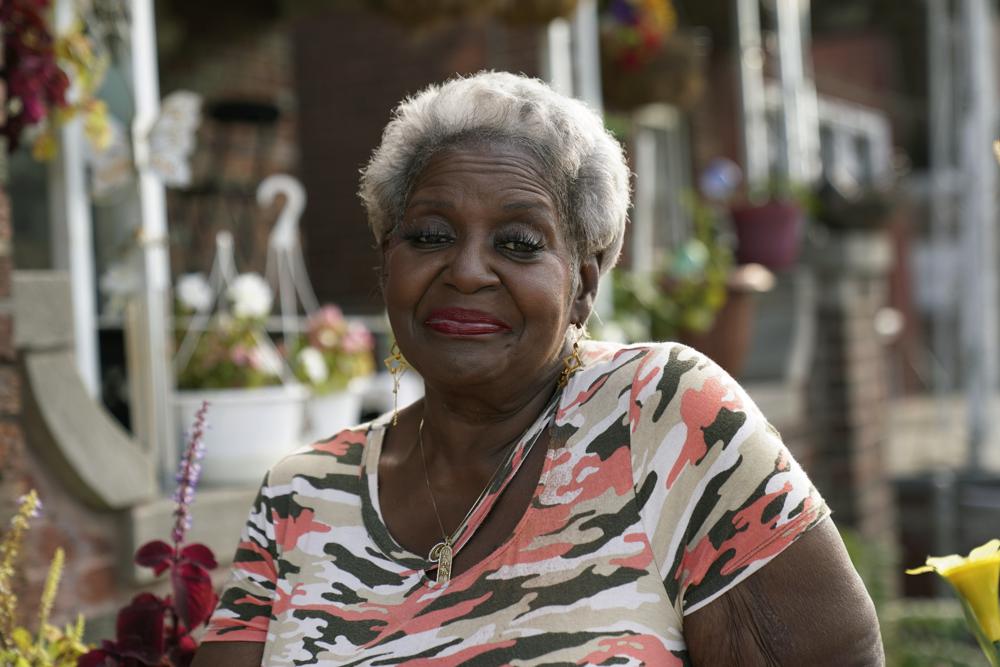


A couple of years into the pandemic, Shirley Neville had finally had enough of her shoddy internet service.
“It was just a headache,” said Neville, who lives in a middle-class neighborhood in New Orleans whose residents are almost all Black or Latino. “When I was getting ready to use my tablet for a meeting, it was cutting off and not coming on.”
Neville said she was willing to pay more to be able to Zoom without interruption, so she called AT&T to upgrade her connection. She said she was told there was nothing the company could do.
In her area, AT&T only offers download speeds of 1 megabit per second or less, trapping her in a digital Stone Age. Her internet is so slow that it doesn’t meet Zoom’s recommended minimum for group video calls; doesn’t come close to the Federal Communications Commission’s definition of broadband, currently 25 Mbps; and is worlds below median
You’ve reached your free article limit
Subscribe to enjoy unlimited access to trusted journalism. Cancel anytime.
Subscribe nowNeed help? molokom@insidepolitic.co.za






