
By Thapelo Molefe
The Special Investigating Unit (SIU) and the Department of Water and Sanitation on Thursday officially launched the Water Sector Anti-Corruption Forum (WSACF).
WSACF was established following findings from 16 SIU proclamations involving the Department of Water and Sanitation, which exposed corruption risks in the management of water resources.
Nine of the investigations have been completed while seven remain ongoing, highlighting what authorities say is the urgent need for a coordinated response to corruption in the water sector.
The forum forms part of Pillar Six of the National Anti-Corruption Strategy, which focuses on protecting vulnerable sectors and strengthening systems that promote integrity.
Officials say the forum will adopt a risk-based approach that focuses on investigation, prevention and enforcement measures to protect water resources from corruption and mismanagement.
Acting head of the SIU, Leonard Lekgetho, said the initiative comes at a time when water shortages are affecting several parts of the country, making it essential to address corruption that undermines water security.
“As South Africa experiences water shortages in various parts of the country, we must move to ensure that we draw the lessons from our investigations,” Lekgetho said in a statement on Thursday.
“Water affects every living being, making it imperative for us to make fighting corruption in the sector a collective effort.”
He added that corruption in the water sector threatens service delivery and the well-being of communities.
“Water is life, and corruption in this sector threatens not only service delivery but also the dignity and well-being of our people. Through this forum we are sending a clear message that corruption will not be tolerated, and those who undermine the integrity of our water systems will face the full might of the law,” he said.
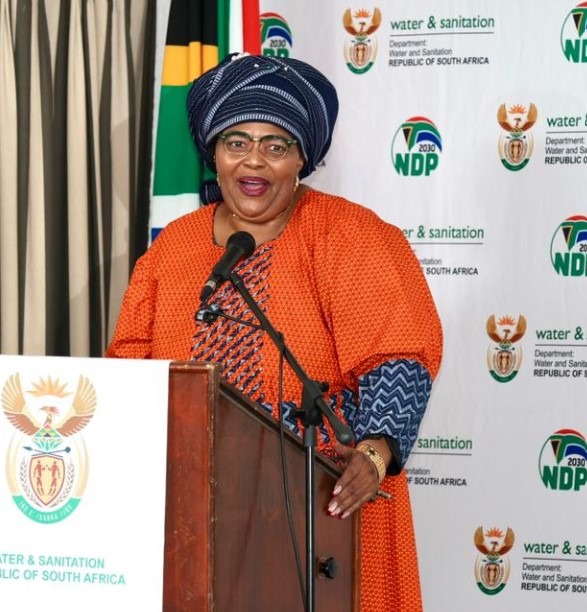
Water and Sanitation Minister Pemmy Majodina said corruption in the sector has far-reaching consequences for communities and infrastructure.
“When corruption infiltrates the water sector, it does not simply distort procurement processes or inflate invoices. It dries up taps, delays infrastructure, contaminates rivers and erodes public trust,” Majodina said.
“In a water-scarce country such as South Africa, corruption is not a victimless crime. It is a direct assault on human dignity and development.”
The WSACF will bring together stakeholders from across government, law enforcement, civil society, the private sector, regulators and environmental groups.
The “whole-of-society” approach is intended to strengthen collaboration, close gaps in oversight and ensure measurable anti-corruption outcomes.
Key objectives of the forum include supporting anti-corruption initiatives in the water sector, coordinating law enforcement investigations, implementing preventative measures against fraud and corruption, and ensuring outcomes such as prosecutions, civil recoveries and administrative action.
The initiative also aligns with the goals of the National Development Plan 2030 and the United Nations Sustainable Development Goal 6, which focus on water security and ensuring universal access to clean water and sanitation.
The forum follows the establishment of similar sector-focused anti-corruption bodies in areas such as health, infrastructure, local government and border management.
INSIDE POLITICS





