



Festus Nyoni picked out a few items in a supermarket in Zimbabwe’s capital, looked at the prices and knew she was in the wrong place.
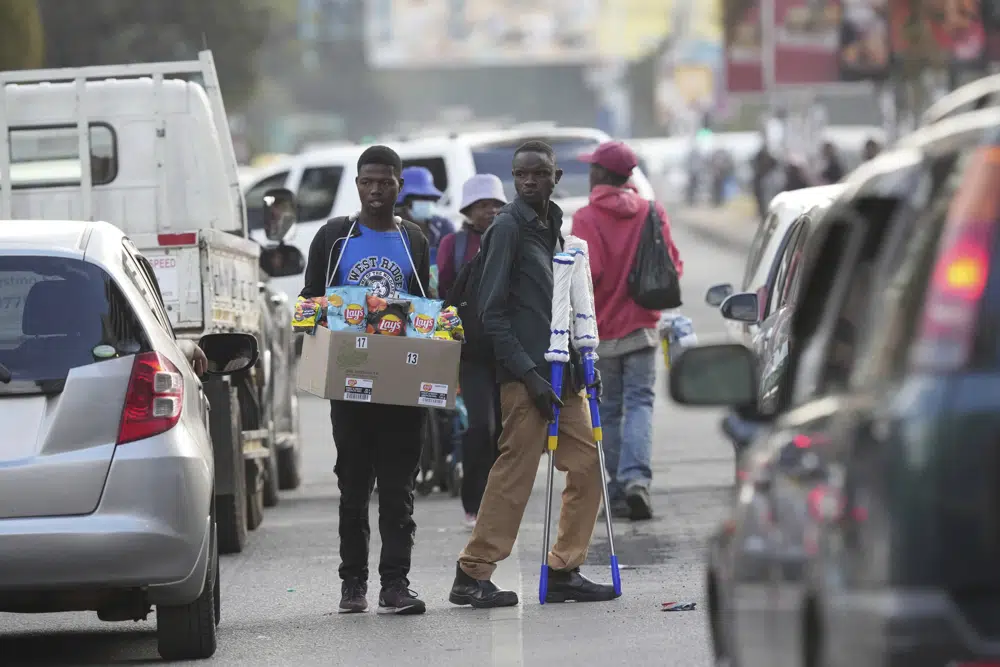
She abandoned her shopping cart and headed for a nearby street jammed with traders offering bargains in U.S. dollars. From the trunk of a car, she picked toiletries, rice and soups. For her two children, a young street vendor dodged traffic to offer her a box of candy.
“I can’t keep up with those Zim dollar prices in the supermarket — it’s insane,” Nyoni said, referring to the local currency. “For the price of one in the supermarket, I am getting two soaps in the street.”
A yearslong currency crisis that forced the 2009 adoption of the U.S. dollar — one of the world’s most reliable assets — is changing shopper preferences in this southern African nation of 15 million. Many people are shunning brick-and-mortar stores, where prices must
You’ve reached your free article limit
Subscribe to enjoy unlimited access to trusted journalism. Cancel anytime.
Subscribe nowNeed help? molokom@insidepolitic.co.za






