
By Lebone Rodah Mosima
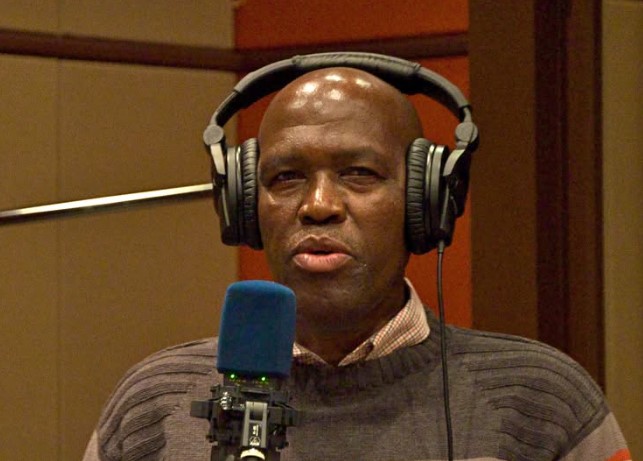
South African leaders and the music industry on Monday and Tuesday continued to pay tribute to Albert Mazibuko, the long-time Ladysmith Black Mambazo member, after the 77-year-old died on Sunday.
Mazibuko, who joined the internationally acclaimed isicathamiya group in 1969, spent more than five decades with Ladysmith Black Mambazo and helped shape the sound that carried the ensemble to audiences across the world.
Minister of Sport, Arts and Culture Gayton McKenzie said Mazibuko’s death was a loss not only to the country’s music industry, but to the nation as a whole.
“Albert Mazibuko was more than a performer; he was the custodian of a uniquely South African sound that travelled across the world and united people through music. Through Ladysmith Black Mambazo, he helped carry the story, resilience and soul of our nation onto the global stage,” McKenzie said.
EThekwini Mayor Cyril Xaba described Mazibuko as a towering figure in South African music, whose artistry and dedication helped elevate the multi-Grammy award-winning group to global prominence.
“Albert Mazibuko was more than a performer; he was a mentor and role model to generations of artists. His passing is not only a profound loss to his family and Ladysmith Black Mambazo, but to the nation as a whole,” Xaba said.
KwaZulu-Natal Premier Thamsanqa Ntuli said Mazibuko’s death marked the end of an era not only for Ladysmith Black Mambazo but for the South African music and cultural landscape.
ALSO READ: ISANCO calls for return of school prayers, corporal punishment
“His contribution to preserving and promoting our indigenous music on the global stage will never be forgotten,” Ntuli said.
Founded in KwaZulu-Natal by the late Joseph Shabalala, Ladysmith Black Mambazo rose to international prominence after its collaboration with Paul Simon on Graceland, helping introduce the country’s choral music to a global audience.
Over the decades, the group became one of South Africa’s best-known cultural exports, earning multiple Grammy Awards and building a reputation for preserving Zulu vocal traditions.
Xaba said social partners should strengthen support for the creative industry to ensure the legacy of artists such as Mazibuko continues to inspire future generations. He also encouraged young artists to draw inspiration from Mazibuko’s discipline, humility and enduring contribution to the arts.
The Southern African Music Rights Organisation also paid tribute, saying Mazibuko left a lasting mark on the global music landscape through his contribution to choral music.
Ladysmith Black Mambazo said Mazibuko’s voice, presence and decades of service would remain part of the group’s legacy.





