



By Lebone Rodah Mosima
The Department of Correctional Services (DCS) is seeking wider markets for arts and crafts made by offenders after its galleries generated R138,462 in sales over the past two financial years, while more than 11,000 offenders participated in arts and crafts programmes in August.
Correctional Services Minister Pieter Groenewald said businesses, employers and communities needed to help create opportunities for offender-made products and support the reintegration of former offenders into society.
ALSO READ: A senior police lieutenant general arrested over alleged rape of 18-year-old
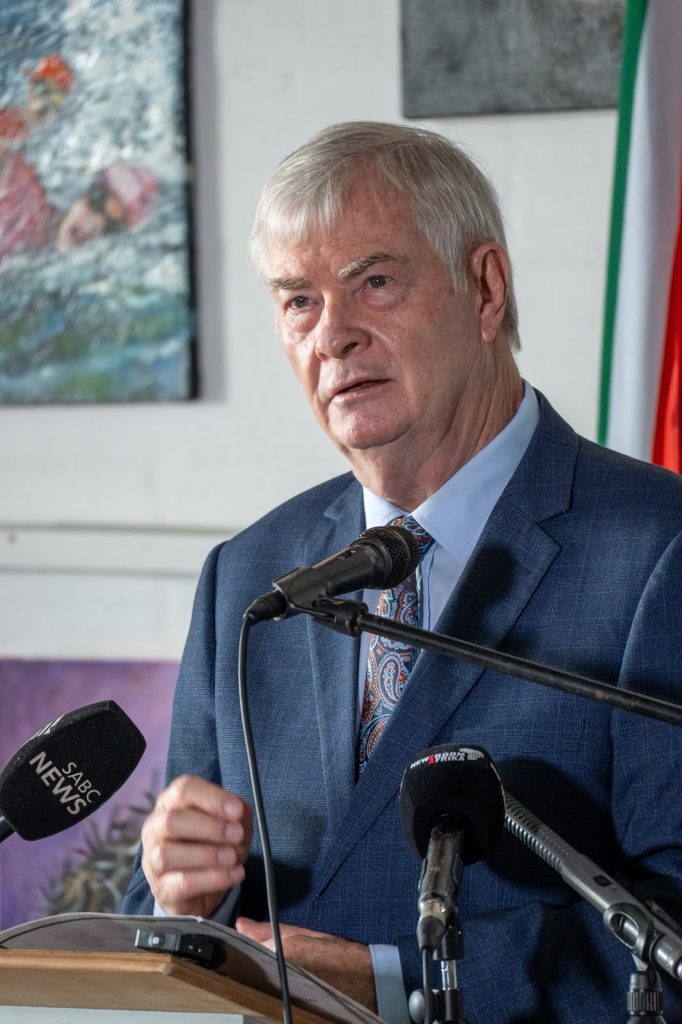
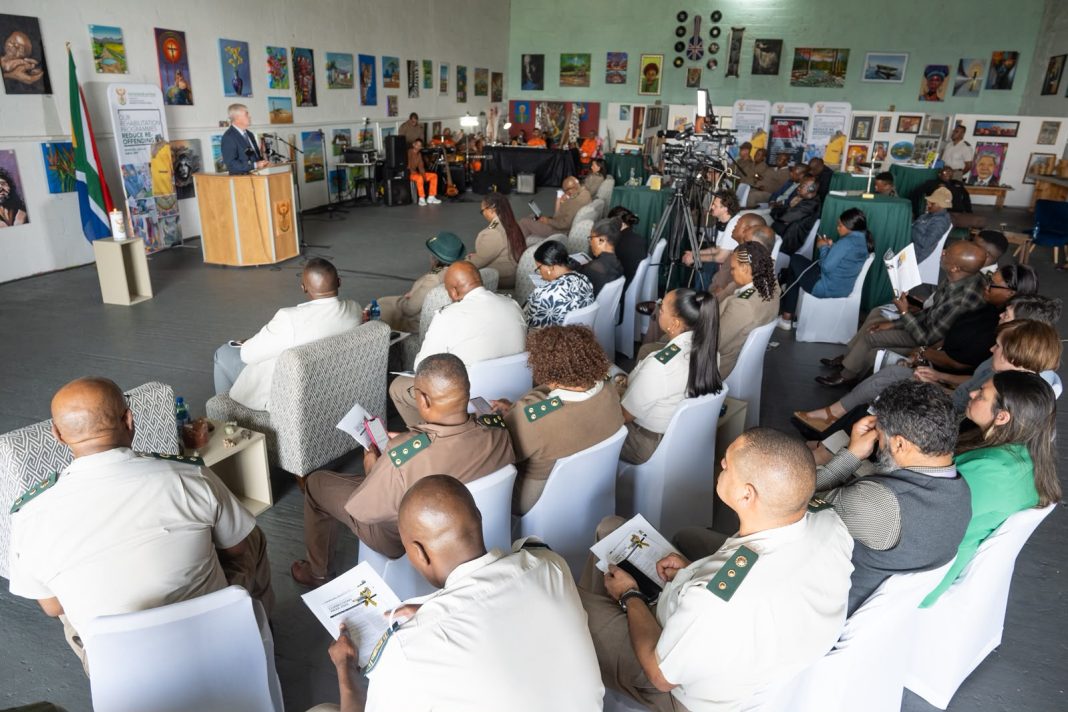
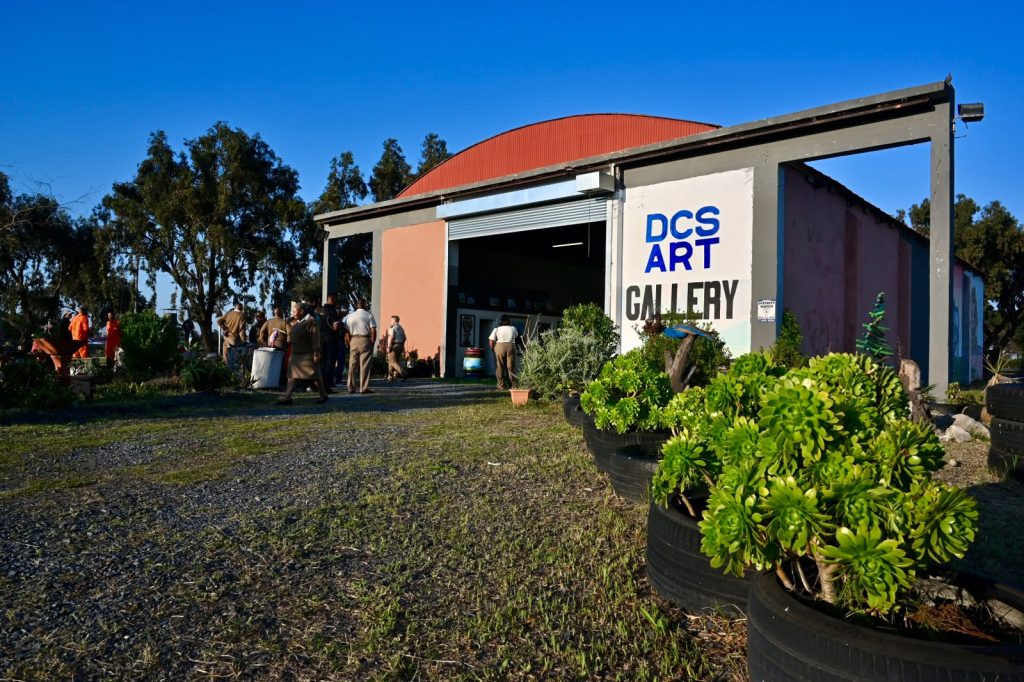
Speaking at the launch of Corrections Week 2026, Groenewald said 11,075 offenders participated in arts and crafts programmes across the department’s six regions during August, while more than 2,200 works were displayed at the Goodwood Correctional Facility exhibition.
ALSO READ: Ramaphosa vows more funding, resources and technology to tackle GBV
This year’s Corrections Week is being held under the theme “Correcting Offending Behaviour, Restoring Dignity and Rebuilding Communities through Arts and Crafts”.
Groenewald said rehabilitation and successful reintegration were central to the department’s mandate.
“The DCS Self-Sufficiency and Sustainability (SSS) Programme is one of the strategic initiatives of the department, officially guided by the Strategic Framework on Self-Sufficiency and Sustainability,” Groenewald said.
“Its primary goal is to increase DCS’ ability to become less dependent on state resources, while equipping offenders with skills that carry value beyond the gate.”
ALSO READ: Sibanyoni clashes with Madlanga Commission over Fannie Nkosi WhatsApp screenshots
Arts and crafts are one component of the self-sufficiency programme, which also includes agricultural production, bakeries and other activities aimed at reducing operating costs while developing offender skills.
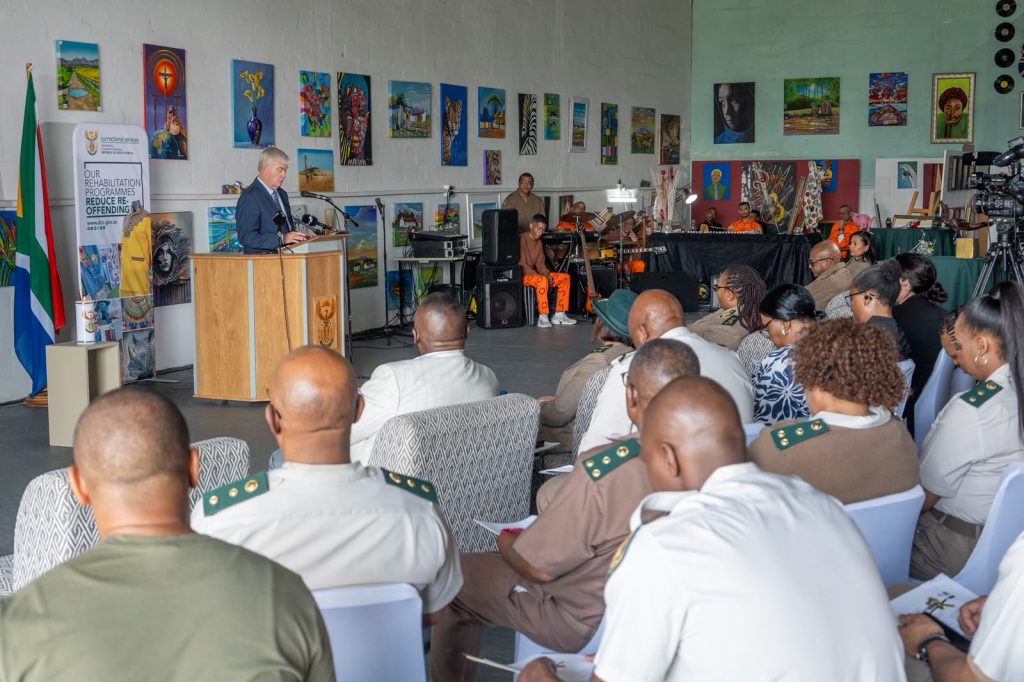
Groenewald said one of the department’s priorities was to commercialise arts and crafts produced by offenders and improve access to markets.
Offenders make products using state-procured materials, which are then displayed and sold through DCS galleries, with the proceeds used to recover costs and support the department’s self-sufficiency objectives.
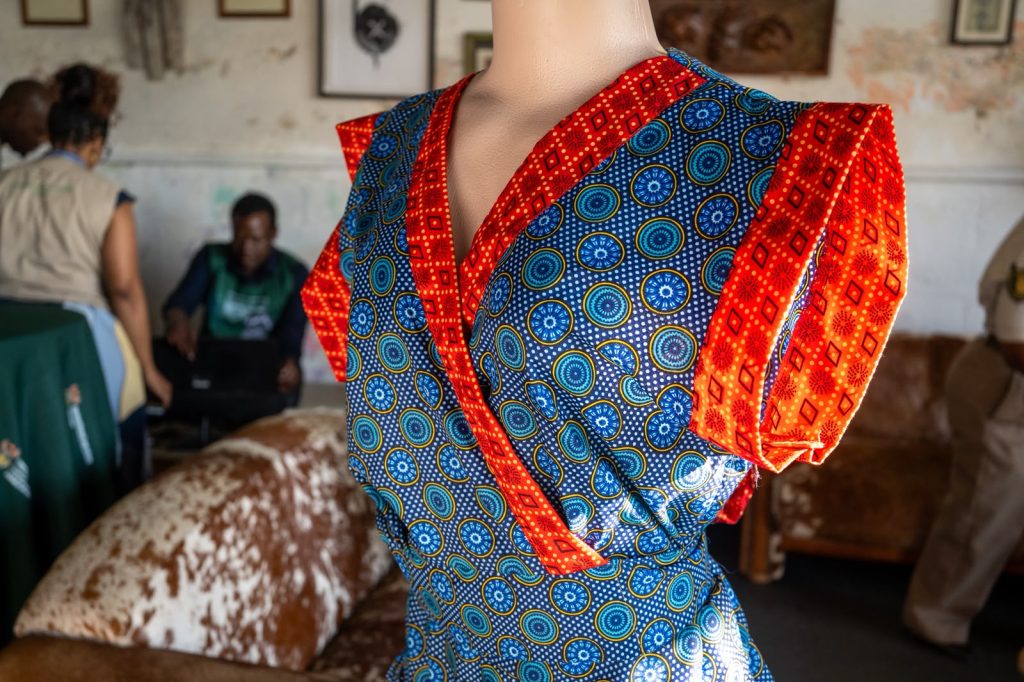
“In correctional centres, offenders develop skills in woodwork, steelwork, textiles, sewing, leatherwork, beadwork, painting, and arts, creating artefacts and handcrafted products,” he said.
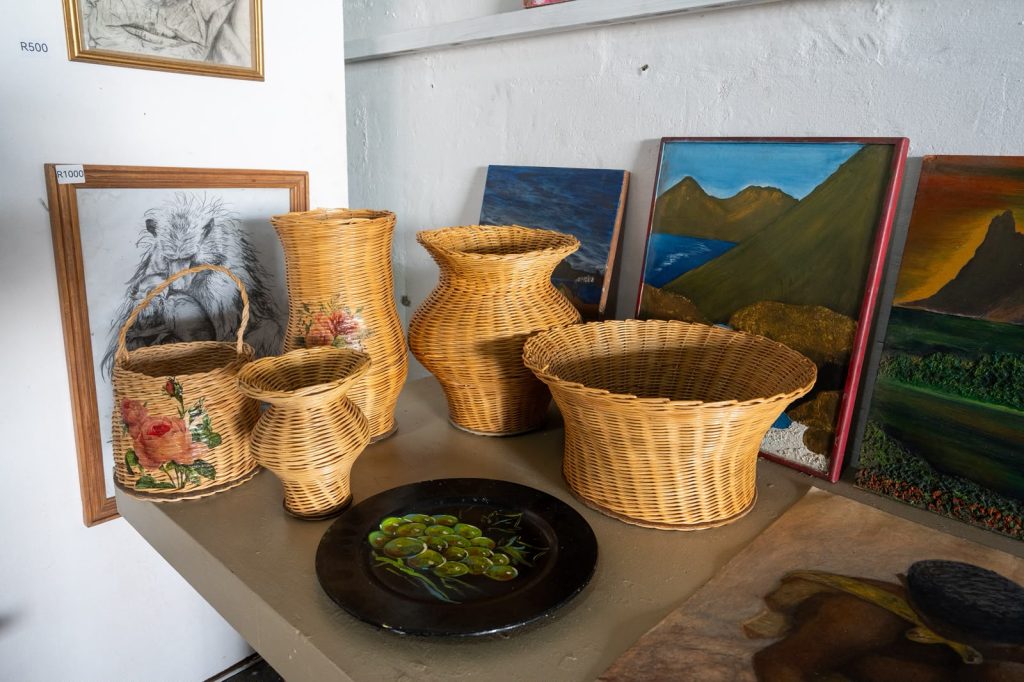
“These activities require discipline, concentration, patience, and creativity. They help offenders discover hidden abilities. Leather becomes a finished product; beads turn into jewellery; a blank canvas becomes art.”
Groenewald said the programme was intended to give offenders practical skills and expose them to opportunities that could support their reintegration after release.
ALSO READ: AfriForum secures prosecution of Mbalula and Malema over child rape claims
“Dignity is core to our democracy. Incarcerated people are human, capable of learning, changing, and contributing positively,” he said.
“Art products, beyond commercial value, reflect more. We should ask not just about worth but what these products reveal about their creators — that change is possible, skills can be developed, and rehabilitation yields positive results.”
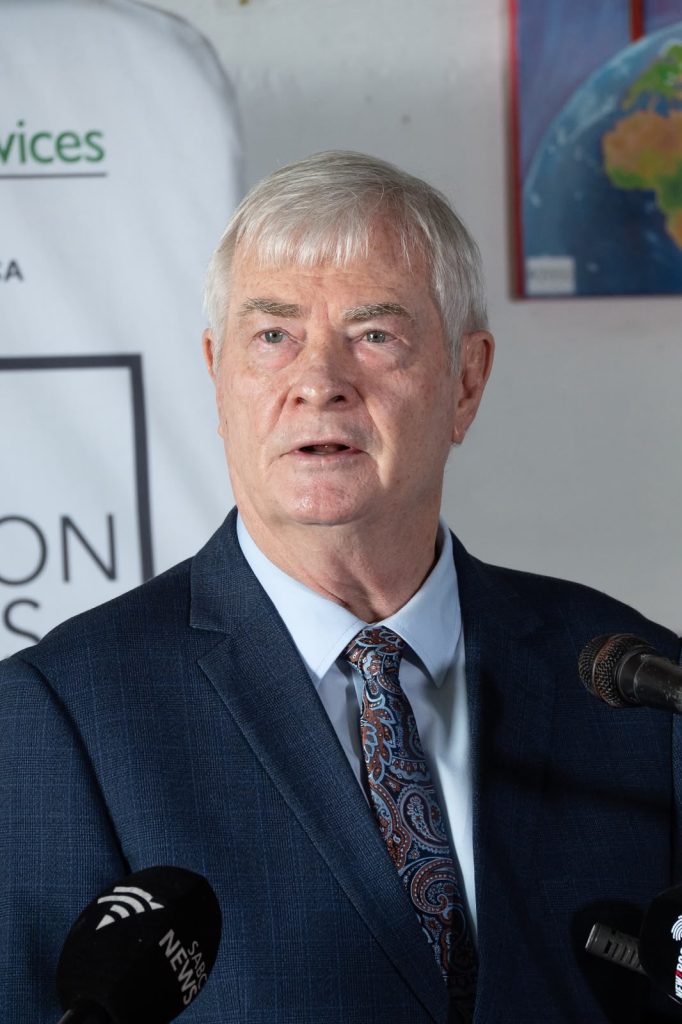
Groenewald said sales through the department’s arts and crafts galleries generated R138,462 over the past two financial years.
DCS views the sales as an indication that offender-produced goods have a market, although the amount remains modest compared with other parts of the self-sufficiency programme.
Groenewald said officials also had to ensure that quality was not compromised and that products were fit for purpose, appropriately priced and professionally presented.
“The true success of rehabilitation cannot only be measured in numbers. It is measured in changed lives,” he said.
ALSO READ: eThekwini faces scrutiny over R16.1m tender awarded to company linked to Mudzinganyama
“It is measured when an offender who entered the correctional system without a marketable skill leaves with a skill that can support a livelihood. And it is measured when someone who once made choices that harmed others begins making choices that contribute positively to victim empowerment and society.”
Groenewald cited former offender Enrico Samuels of the Western Cape among those who had used art as part of their rehabilitation and reintegration.
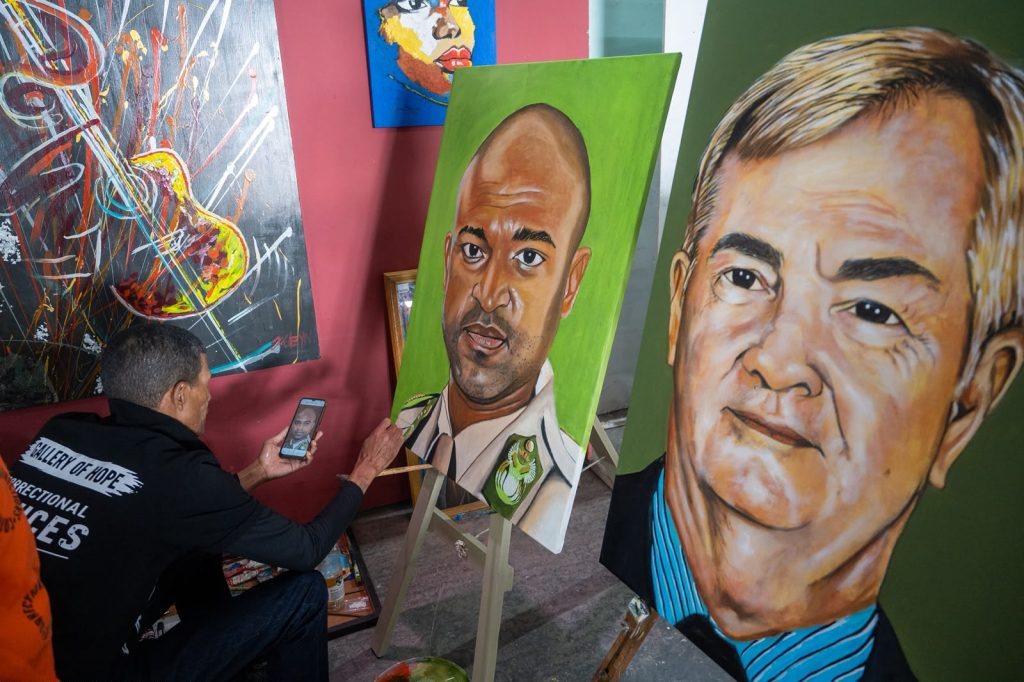
He said such cases showed that rehabilitation had to extend beyond incarceration and include skills development, employment opportunities and support from families and communities.
“We need more partners — businesses to open markets, employers to consider skilled ex-offenders, communities to support reintegration, and families to support behavioural change,” he said.
ALSO READ: Sibanyoni denies Gubis85 cash pipeline claims at Madlanga Commission
“To help former offenders become productive society members, we must create pathways. Corrections is a societal responsibility.”
Groenewald urged members of the public and businesses to visit the department’s nine arts and crafts galleries and support offender-produced work.
He said purchasing products from the programme could support skills development, rehabilitation and the department’s efforts to improve self-sufficiency.
“As we open Corrections Week 2026, let’s renew our commitment to a humane, rehabilitative system,” he said.






