
- Advertisement -spot_img

MPC hikes repo rate by 25 basis points, with another hike likely in July

- Advertisement -spot_img

Must read

By Thebe Mabanga

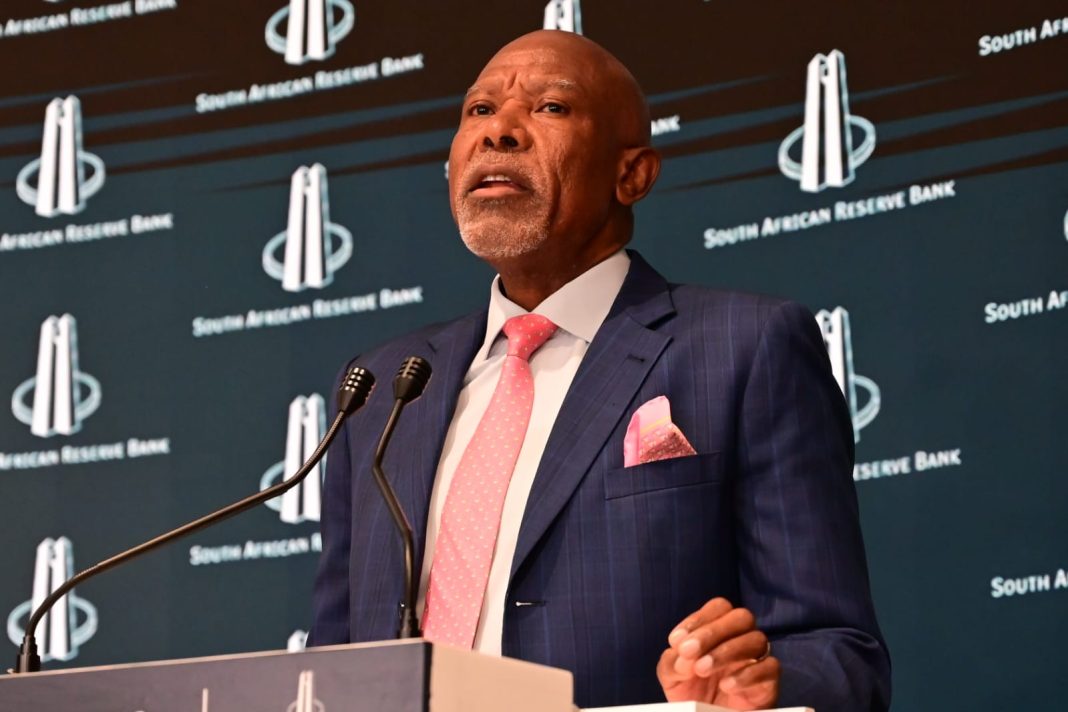
The Reserve Bank Monetary Policy Committee (MPC) hiked the repo rate by 25 basis points to 7% on Thursday, and painted a gloomy picture of the country’s growth and inflation outlook.

Announcing the committee’s decision, Reserve Bank governor Lesetja Kganyago said that since the last MPC meeting, hopes for a quick end to the Middle East crisis had faded.

This had heightened global uncertainty, with the continued closure of the Strait of Hormuz affecting the price of oil and petroleum products, fertiliser and other chemical inputs.

The outlook for South Africa is equally gloomy.

“Moving to South Africa, we have lowered our growth forecasts for the next two years,” Kganyago said.

“Before this shock hit, the economy seemed to be gaining momentum, with… data mostly positive. Now, however, we face a painful combination of higher global uncertainty and reduced disposable income. This will hit both investment and household consumption, which have been our main growth drivers.”

The outlook for inflation has also deteriorated. Headline inflation is now expected to average 4.4%, up from 3.7% in 2026 and 3.7%, against an initial 3.3%, in 2027, before easing to the 3% target in 2028.

The Bank sees core inflation, which excludes food and energy costs, averaging 3.7% in 2026 and 2027, up from 3.3%, before moderating to 3.1% in 2028.

Nedbank said the Reserve Bank’s “hawkish” decision reflected a deterioration in conditions linked directly to the closure of the Strait of Hormuz, which it sees as having caused lasting damage.

“In our view, significant damage has already been done to the world supply chains of energy, fertiliser and chemicals, which means that the prices of oil and other affected products will probably remain high deep into the third quarter, before easing gradually and ending the year at levels still well above that of last year,” Nedbank said.

Explaining the MPC’s decision, Kganyago said: “The committee agreed that inflation risks had intensified, and that the challenge of large and overlapping shocks would likely trigger second-round effects, requiring a monetary policy response. Our decision was aimed at managing risks and ensuring that inflation returns to target.”

Second-round effects occur when higher prices are transmitted through value chains and passed on to consumers, and when higher inflation translates into higher inflation expectations and higher wage demands.

Kganyago noted that the Bank needs to act three quarters ahead of an event for monetary policy to have an impact and, since the Bank expects core inflation to peak in the first quarter of next year, this rate hike is aimed at curbing inflation by then.

Nedbank noted: “The longer the US-Iran war continues, and the Strait of Hormuz remains closed, the greater the risk of supply shortages in oil and other key commodities, which would result in even more dramatic price increases to reduce demand and balance the affected markets.

“Given the extent of petrol and diesel price hikes already absorbed, we expect inflation expectations to rise and to remain sticky even after global oil and other prices start to ease. Given the upside risks to the inflation outlook, another rate hike in July appears increasingly likely.”

The Reserve Bank Quarterly Projection Model (QPM) shows one rate hike this quarter, followed by cuts of about 75 basis points over the next two years as inflation recedes towards the inflation target.

Kganyago emphasised that the QPM is merely a guide.

The MPC also developed risk scenarios in which the Middle East crisis and the closure of the Strait of Hormuz last longer than expected, as well as a more adverse scenario in which those pressures are compounded by other shocks, including weather-related risks to food prices.

In the prolonged Strait of Hormuz closure scenario, inflation peaks at about 5%, with the model implying two more rate hikes than in the baseline.

In the most adverse scenario, inflation rises above 6%, the upper band of the old inflation target, and three additional rate hikes are required to tame inflation.

Raymond Parsons, a professor at the North West University School of Business, described the move as “precautionary” and wondered whether the minority view of the MPC should not have prevailed.

“However, the minority MPC view believing that the timing was not yet right for a rise in rates is convincing, and that credible reasons exist for such a stance,” Parsons said in a statement.

“South Africa has economic buffers and some policy space to allow time for monetary policy to still navigate what remains a highly uncertain economic outlook.”

Kganyago admitted that a hike was slightly out of step with most major central banks, which have held rates.

He also acknowledged the South African economy’s resilience and cited Moody’s decision to upgrade South Africa’s outlook from stable to positive.

The MPC will next meet in July.

INSIDE POLITICS

More articles

LEAVE A REPLY

Please enter your comment!
Please enter your name here

Inside Education E-Edition

spot_img

CATHSSETTA

spot_img

AVBOB STEP 12

spot_img

Inside Metros G20 COJ Edition

spot_img

JOZI MY JOZI

spot_img

QCTO

spot_img

Latest article



